Why Easy-Read Rulers Matter in Early Math Education
Introduction: Building Math Confidence Early
Math can be exciting, especially when children have the right tools to explore it. One such underrated yet powerful tool is the easy-read ruler. While it might seem like a simple classroom item, an easy-read ruler can play a key role in shaping a child’s understanding of measurement, numbers, and spatial reasoning. It allows children to visualize concepts, measure with accuracy, and connect math to the real world.
When students can clearly see what each number and line means, their confidence in math grows. Easy-read rulers bridge the gap between abstract numbers and tangible experiences, helping learners grasp fundamental mathematical relationships from an early age.
The Role of Visual Tools in Learning
Children learn best when concepts are visual, interactive, and hands-on. Traditional rulers can sometimes be confusing, especially for early learners who are just beginning to understand fractions and units. Easy-read rulers, designed with color coding, bold markings, and clear divisions, simplify this process.
For instance, color distinctions between centimeters or inches make it easier for children to identify patterns and remember measurements. This kind of visual support helps develop spatial awareness, an essential skill that strengthens geometry, estimation, and even problem-solving later on.
Moreover, these rulers encourage exploration. When children can measure objects around them, like their pencil, desk, or shoe, math becomes an active, engaging experience rather than a theoretical concept.
How the Mood Meter Supports Learning
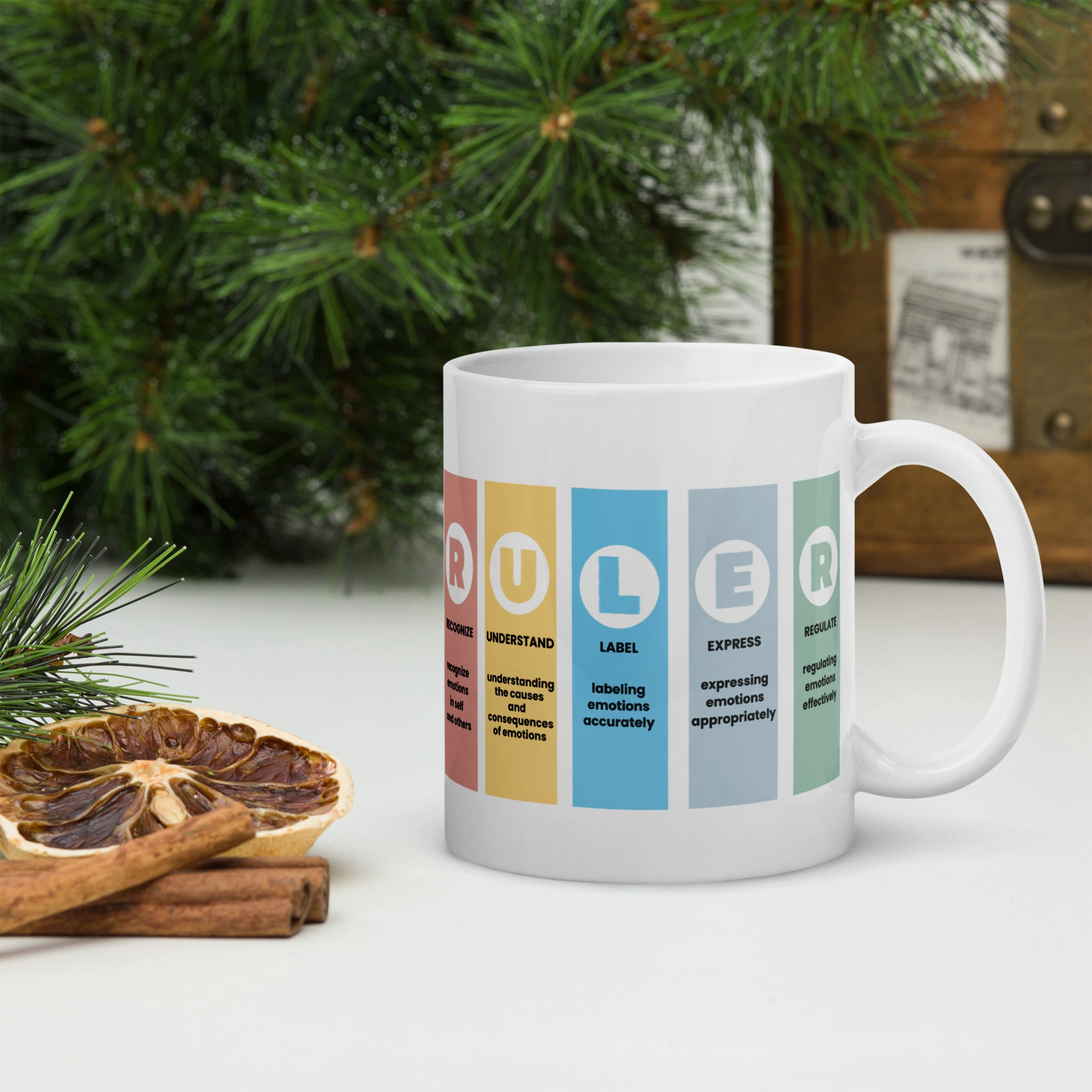
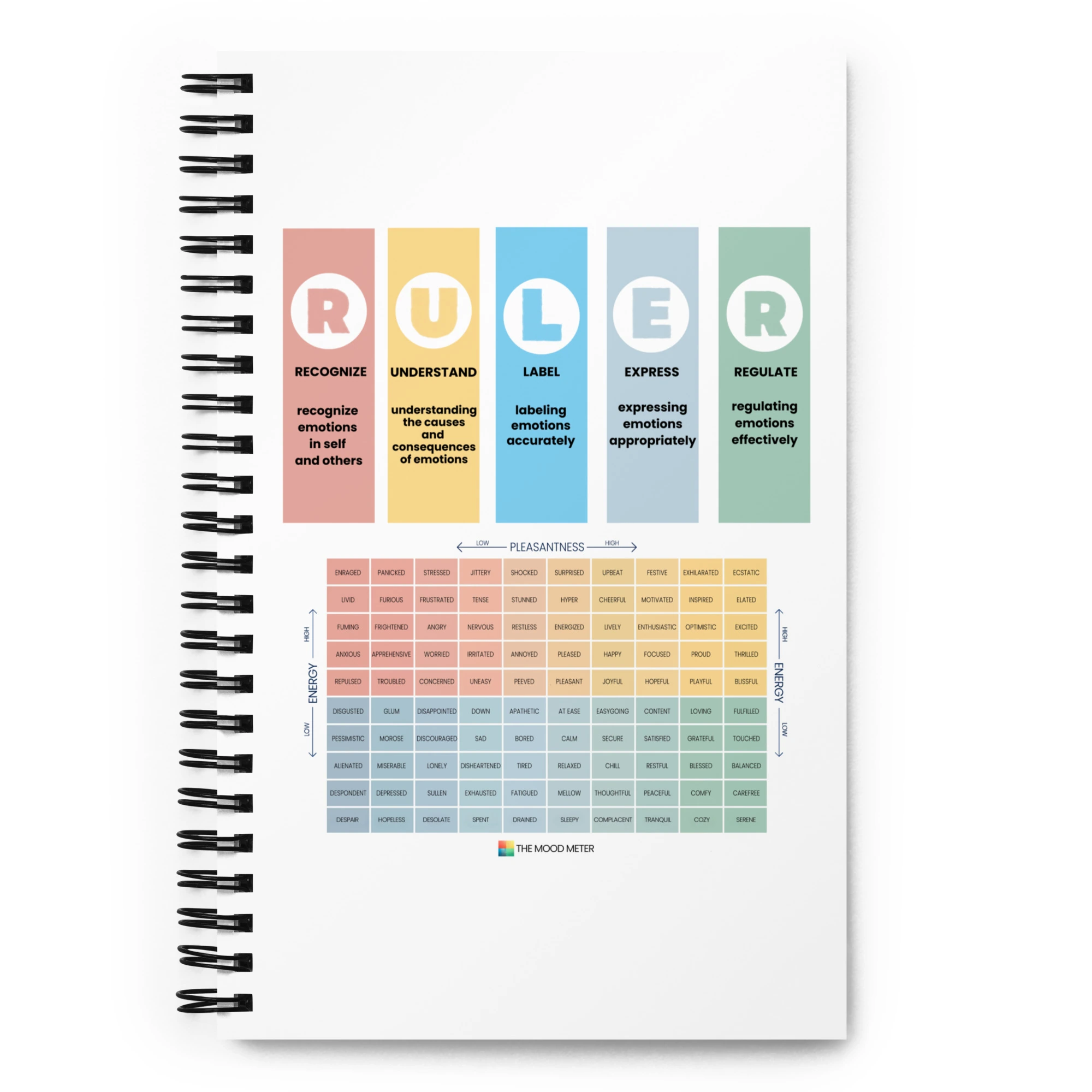
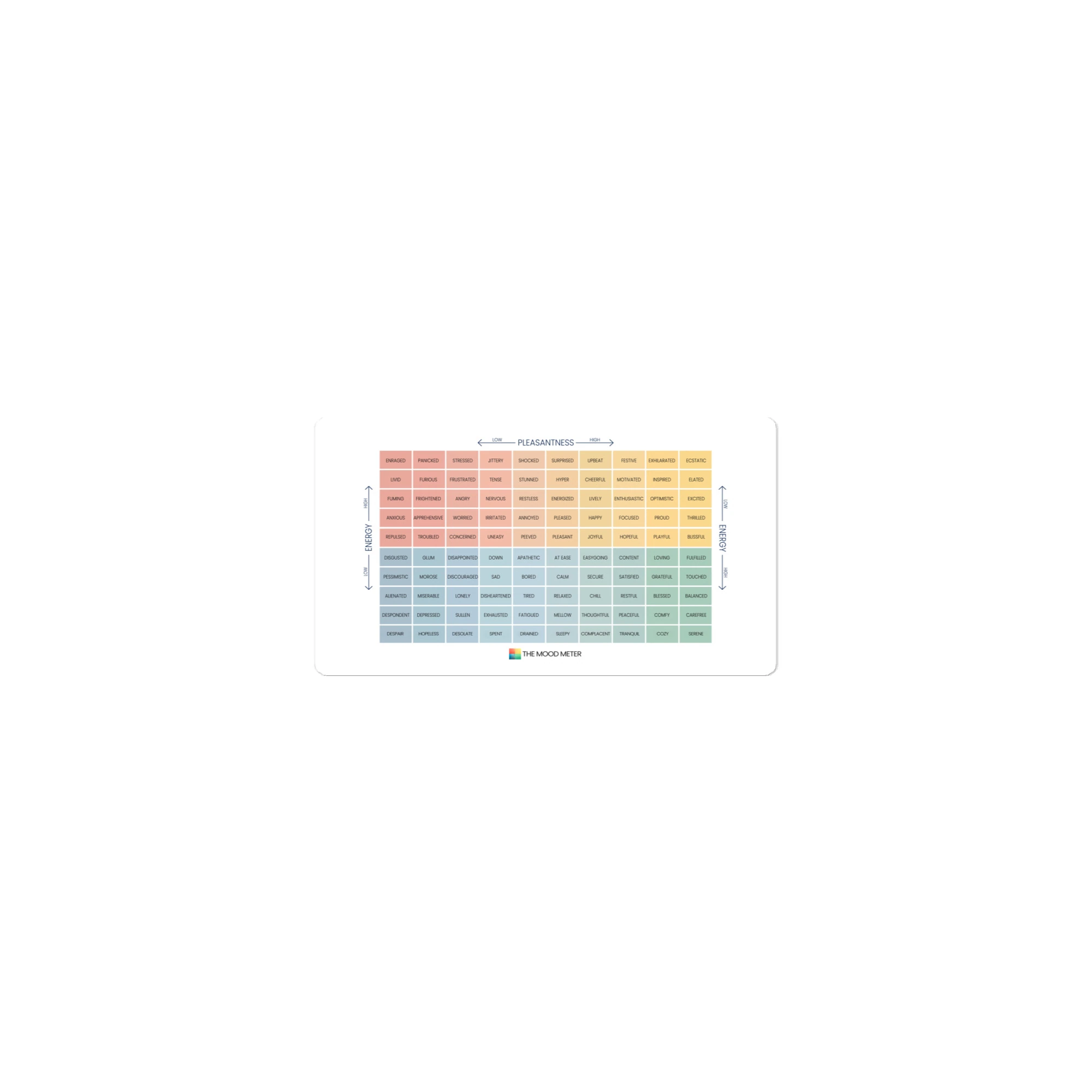
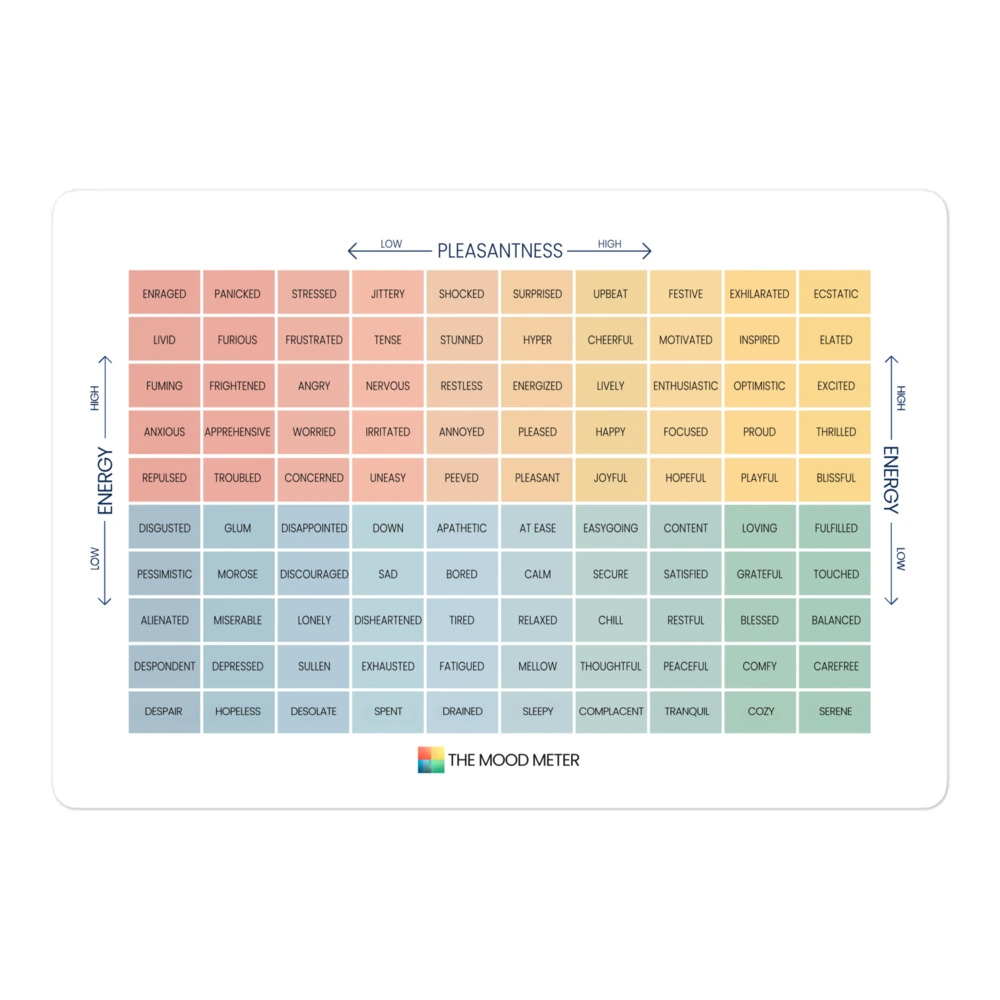
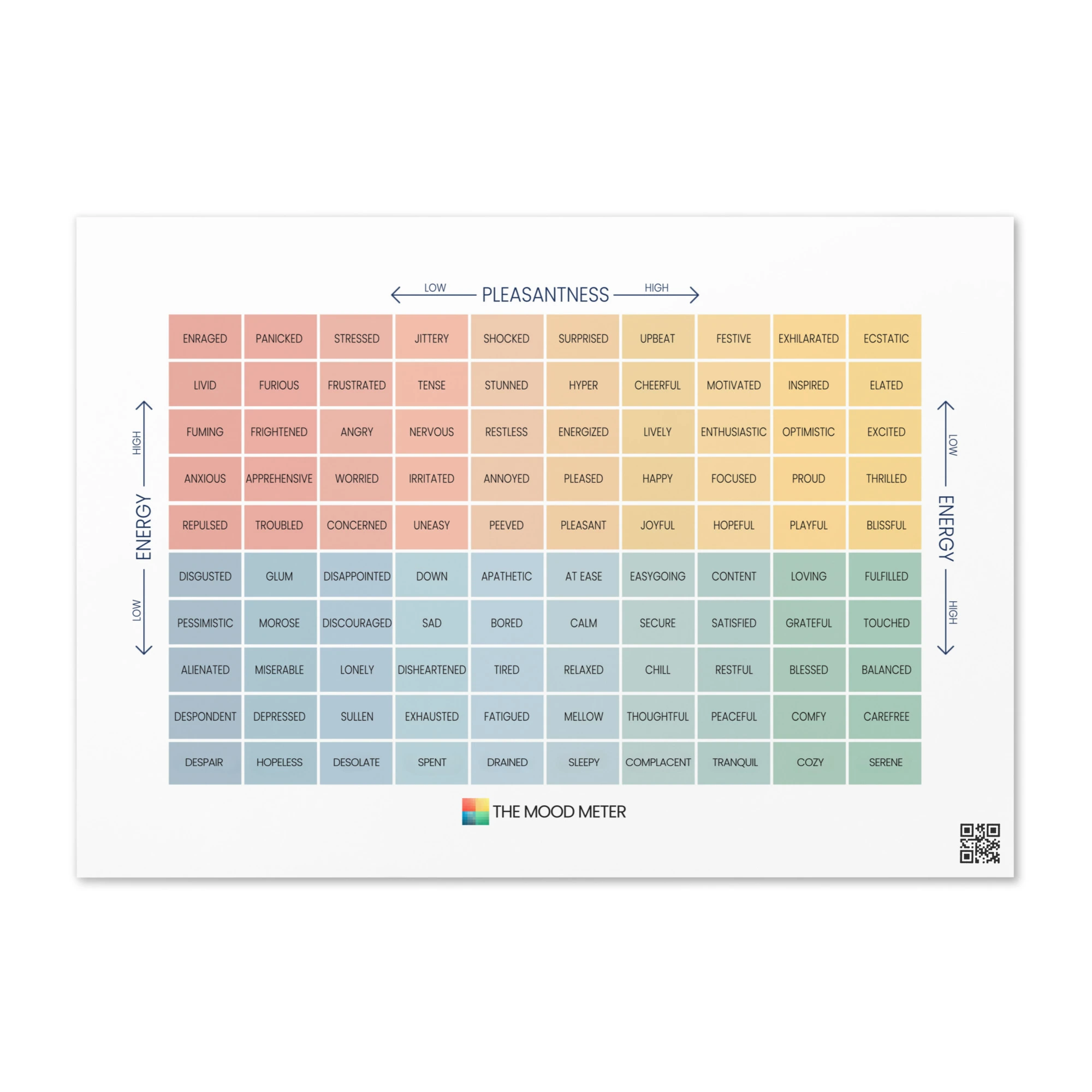
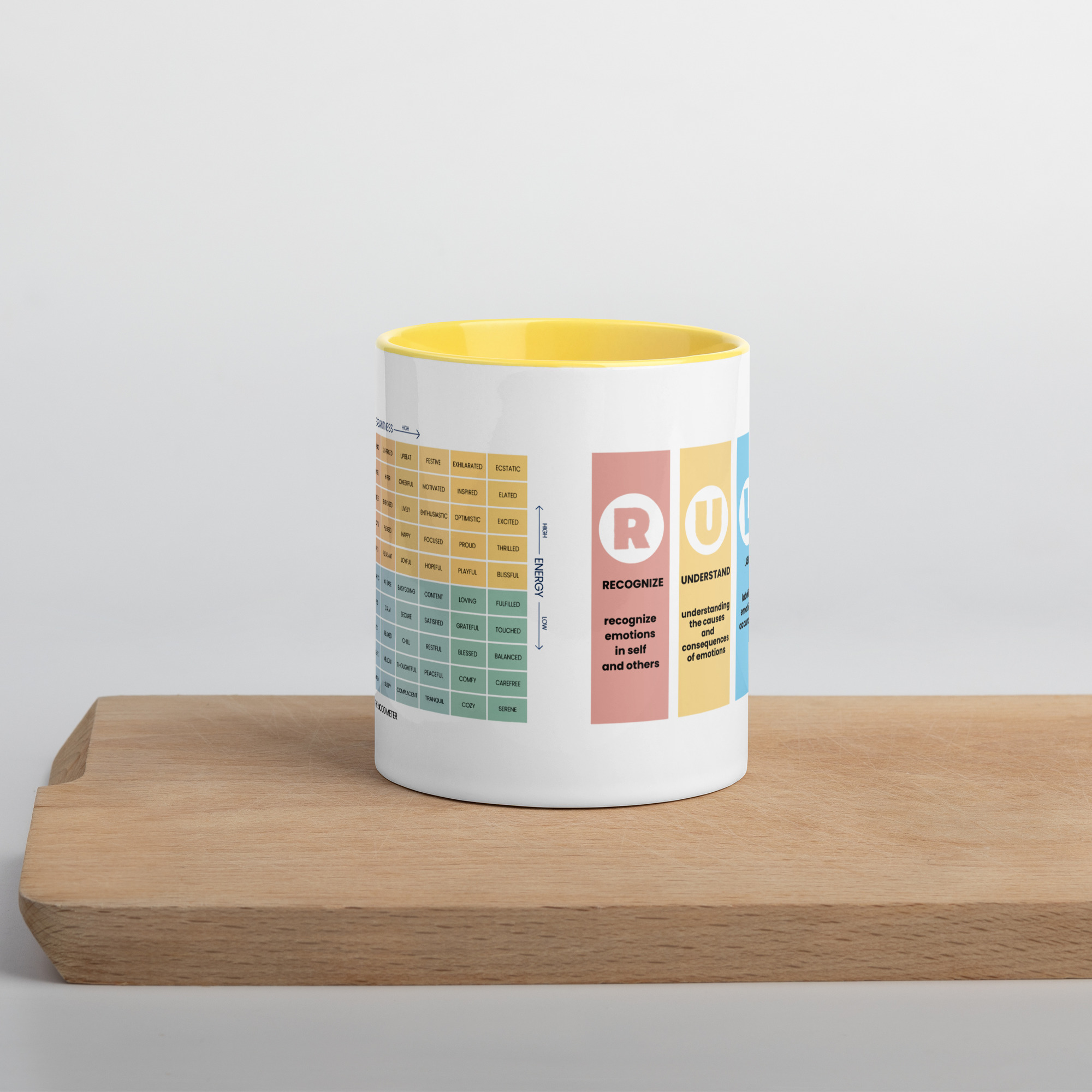
While tools like easy-read rulers build cognitive understanding, emotional intelligence tools such as the Mood Meter nurture the emotional side of learning. The Mood Meter, part of the RULER framework from the Yale Center for Emotional Intelligence, helps students recognize, understand, label, express, and regulate their emotions.
In a math classroom, emotions matter just as much as numbers. The Mood Meter allows teachers and students to identify how they’re feeling, whether excited, frustrated, or focused, and then use that awareness to stay motivated. For example, if a child feels anxious about getting measurements wrong, the teacher can help them regulate that emotion and re-engage with confidence. By combining emotional tools like the Mood Meter with practical ones like easy-read rulers, classrooms become spaces where both logic and feelings are valued, enhancing overall learning outcomes.
Why Easy-Read Rulers Make a Difference
An easy-read ruler empowers children to:
-
Understand Units Clearly: Large, distinct numbers and lines help children differentiate between centimeters, inches, and millimeters.
-
Avoid Measurement Errors: Simplified design reduces confusion, leading to more accurate measurements.
-
Connect Math to Real Life: Measuring objects connects mathematical reasoning to everyday experiences.
-
Build Independence: Clear visuals encourage children to work confidently without constant teacher guidance.
To understand why these tools are so effective, explore why easy-read rulers support focus and learning. When young learners use tools that match their developmental level, they not only perform better but also enjoy learning more. Early success in math builds a positive attitude that carries through higher grades.
Creating a Supportive Learning Environment
Combining easy-read rulers with an emotionally supportive classroom helps students thrive both academically and personally. When teachers use visual tools to clarify math concepts and emotional tools like the Mood Meter to guide well-being, children develop a balanced skill set, one that values precision, patience, and persistence.
The result is more than just improved math scores. It’s the development of confident, curious learners who aren’t afraid to make mistakes, ask questions, and explore. To understand how positive classroom environments strengthen both learning and emotional growth, explore Creating a Supportive Learning Environment.
Small Tools, Big Impact
In early education, even the smallest tools can make a big difference. The easy-read ruler transforms how children see and understand measurement, turning an abstract math skill into an interactive, real-world experience. When paired with emotional learning supports like the Mood Meter, it ensures that students grow not only in skill but also in self-awareness and resilience.
By making math clearer and learning more joyful, easy-read rulers remind us that education works best when it’s both smart and compassionate.
-
-

The Mood Meter & RULER White Glossy Ceramic Mug
Price range: $11.00 through $14.50 -
-
Bubble-Free Stickers – Durable High-Opacity Vinyl for Smooth Application
Price range: $7.50 through $11.00 -

-
The Mood Meter Greeting Card – Premium Paperboard with Envelope
Price range: $7.50 through $9.00