What Is SEL? Core Competencies, Benefits, and the Mood Meter Framework
Understanding SEL as a Driver of Human Development
We view Social and Emotional Learning (SEL) as a long-term investment in human potential. It equips children and adults with the capacity to understand emotions, navigate relationships, make responsible decisions, and manage life’s social demands with clarity and confidence. High-quality SEL programs strengthen academic performance, increase well-being, and create learning environments where students feel safe, supported, and motivated.
The Five Core Competencies of SEL
The research-based SEL framework is built on five interconnected competencies that guide healthy development across childhood, adolescence, and adulthood.
1. Self-Awareness
Self-awareness allows individuals to identify emotions, recognize strengths, understand personal values, and build accurate self-perception. When students understand their emotional states, they become more capable of making choices that support their goals and relationships.
2. Self-Management
Self-management covers emotional regulation, stress management, goal-setting, impulse control, and perseverance. It helps students stay focused, resilient, and motivated in challenging situations, improving both academic and personal outcomes.
3. Social Awareness
This competency includes empathy, cultural understanding, and the ability to interpret social cues. Students build sensitivity toward others and learn how to collaborate, respect diverse backgrounds, and create inclusive environments.
4. Relationship Skills
Healthy relationships rely on communication, conflict resolution, active listening, and cooperation. SEL nurtures the interpersonal foundations students need to form meaningful connections and contribute positively in group settings.
5. Responsible Decision-Making
Responsible decision-making blends ethics, safety, logical reasoning, and real-world consequences. Students learn to evaluate choices thoughtfully, consider others’ perspectives, and act with integrity.
How SEL Transforms Learning Environments
Schools that integrate SEL consistently see higher academic achievement, fewer behavioral incidents, stronger relationships, and a more supportive culture. SEL empowers educators to design learning experiences that elevate emotional well-being, deepen concentration, and foster long-term life skills. It also promotes equity by giving all students the tools to manage stress, engage socially, and access challenging academic content without emotional barriers. To explore how these practices reshape modern classrooms, read How SEL Transforms Learning Environments.
The Mood Meter: A Practical Tool for Emotional Clarity
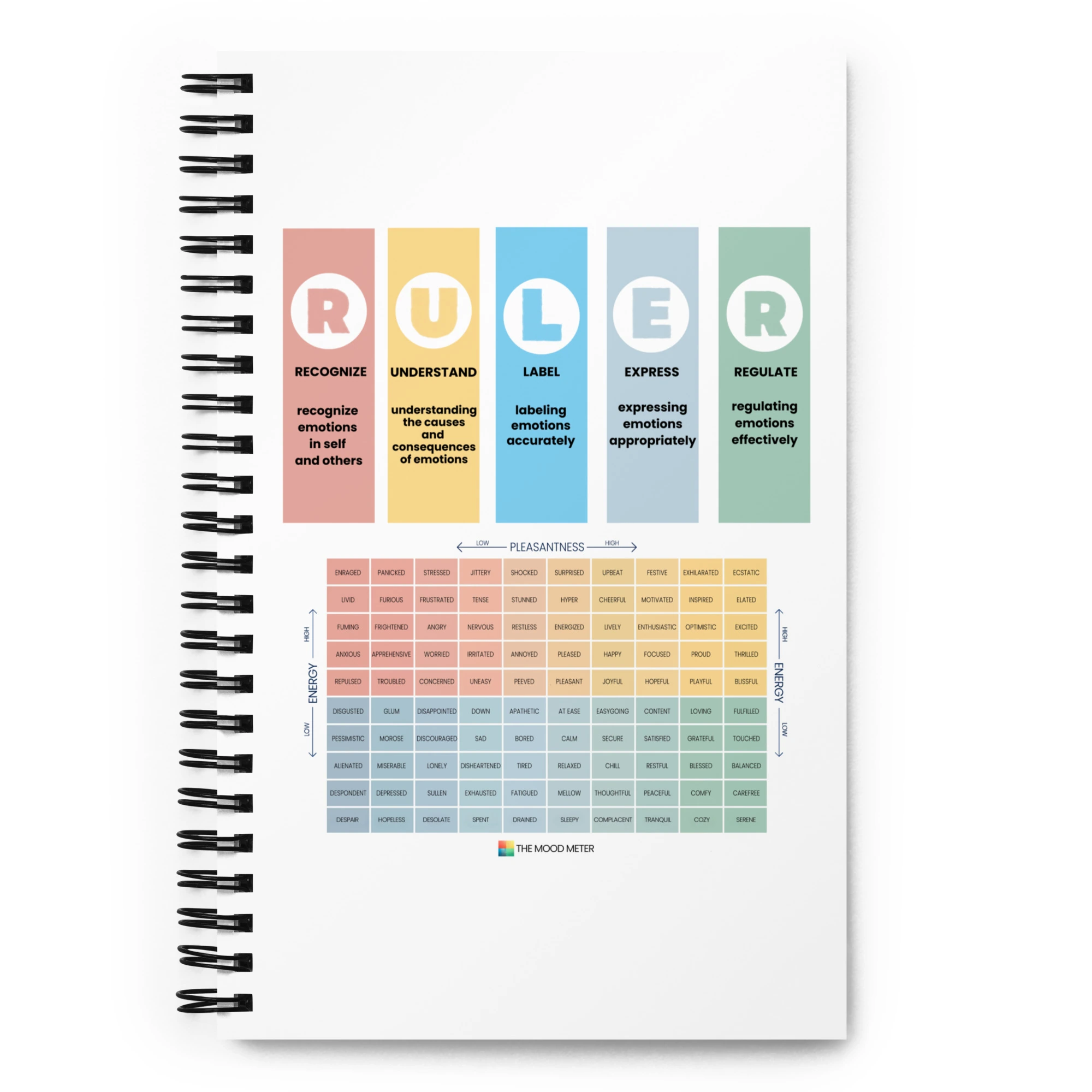
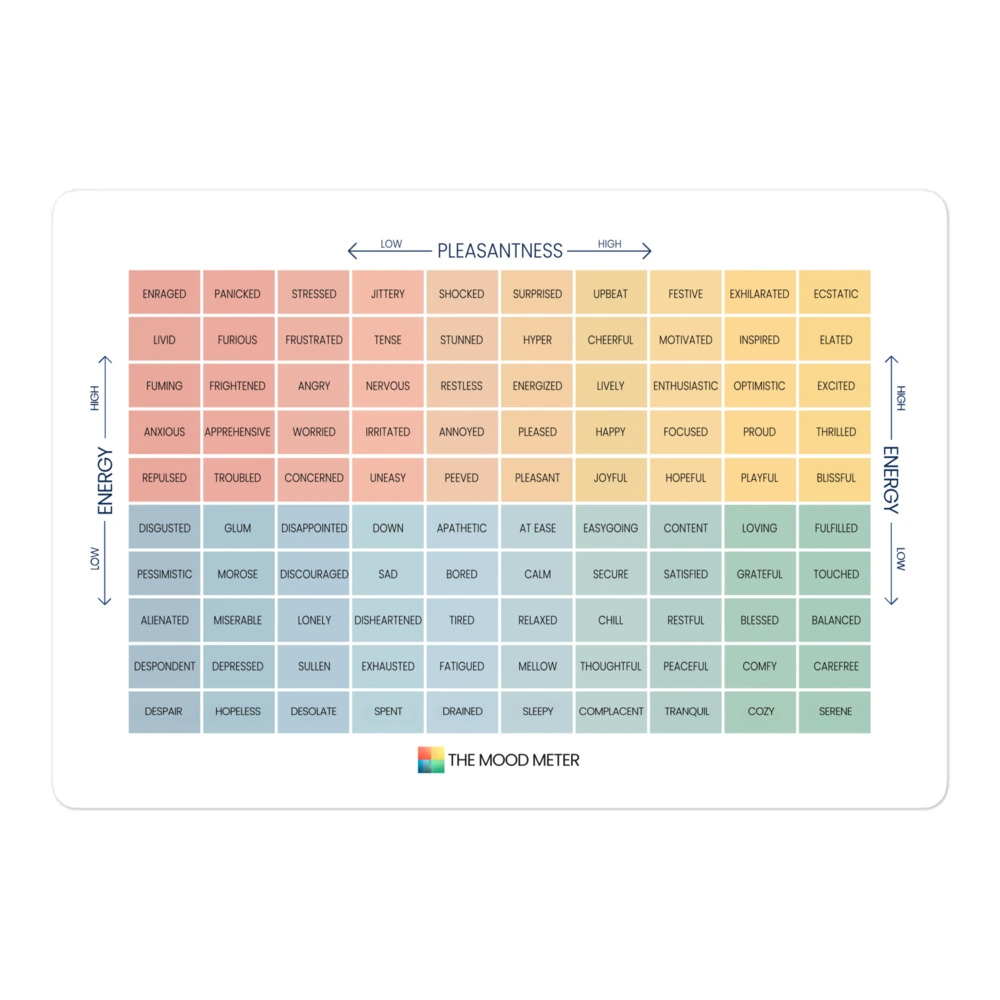
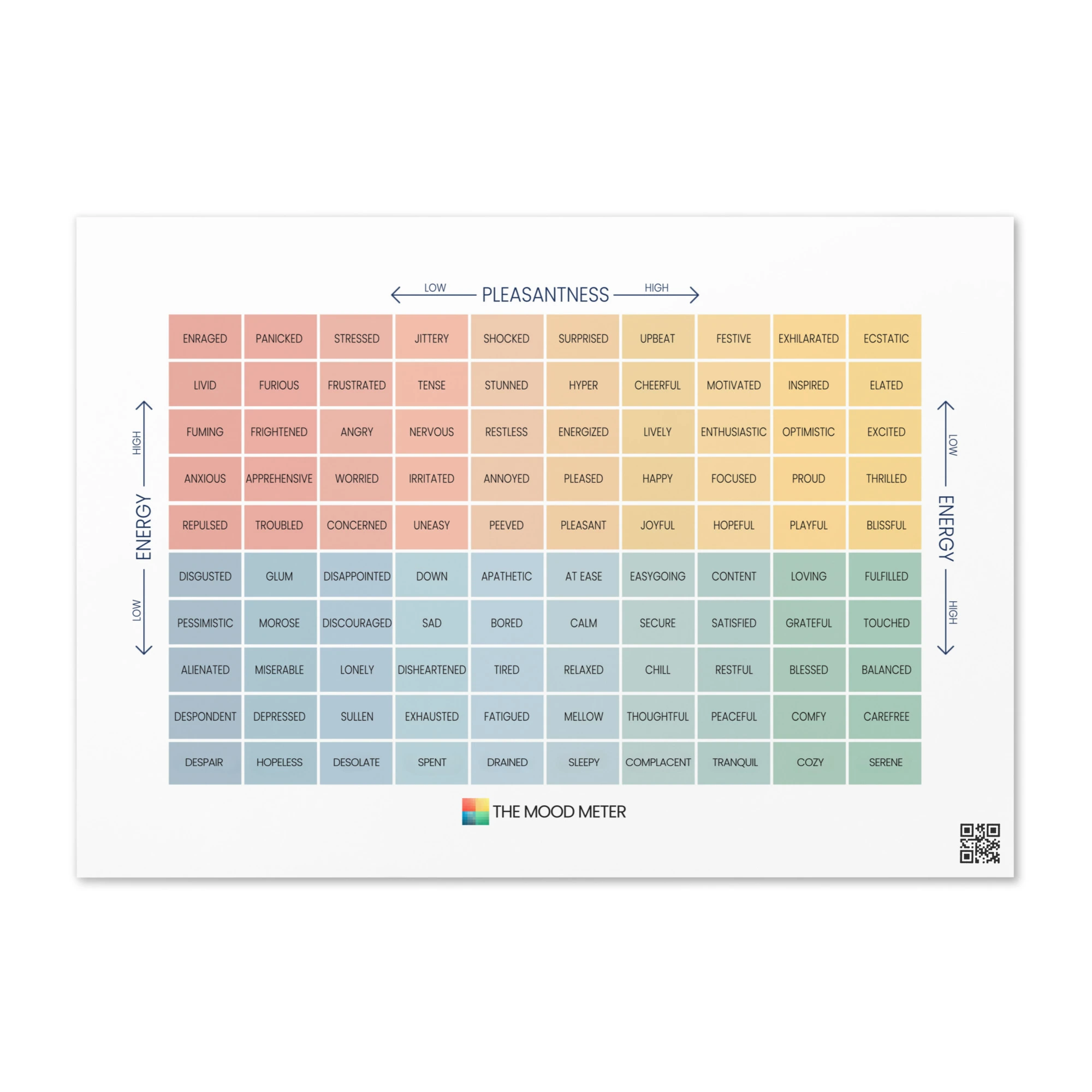
The Mood Meter is a simple but powerful SEL tool that helps students and adults identify, label, and regulate their emotions with accuracy. Based on the two axes of energy and pleasantness, it organizes emotions into four quadrants: Red, Blue, Yellow, and Green. By tracking how they feel throughout the day, learners build emotional vocabulary, understand patterns, and make intentional choices to shift into more productive states. The Mood Meter strengthens emotional literacy and supports long-term self-management skills.
SEL and Academic Performance: A Direct Connection
Decades of studies show that SEL enhances executive functioning, working memory, and problem-solving abilities. When students feel emotionally supported, their focus improves, anxiety decreases, and motivation increases. SEL also aligns with trauma-informed practices, making classrooms more adaptable to diverse mental and emotional needs.
SEL for Educators and Families
SEL is not limited to students. When educators strengthen their own SEL skills, they reduce burnout, increase instructional effectiveness, and model healthy emotional behaviors. Families also play a key role by reinforcing emotional vocabulary, communication habits, and decision-making strategies at home. For a deeper look at how both groups can work together to support emotional development, explore SEL for Educators and Families: A Unified Approach to Emotional Growth.
Designing an SEL-Rich Schoolwide System
A successful SEL framework integrates policies, curricula, professional development, and community engagement. It requires a shared commitment to emotional well-being, aligned practices across grade levels, and continuous evaluation of climate and outcomes. Schools that approach SEL systemically see stronger long-term cultural and academic results.
Equity, Inclusion, and Cultural Responsiveness
SEL thrives in environments that respect cultural identity and ensure every student feels valued. Culturally responsive SEL honors students’ backgrounds, languages, and lived experiences. It strengthens belonging, reduces bias, and improves how students from diverse communities connect.
Long-Term Lifespan Benefits
SEL has lifelong implications. Individuals with strong SEL capabilities are more likely to experience career success, stable relationships, emotional resilience, and overall well-being. They can manage conflict, build trust, and navigate adult responsibilities with confidence.
-
-

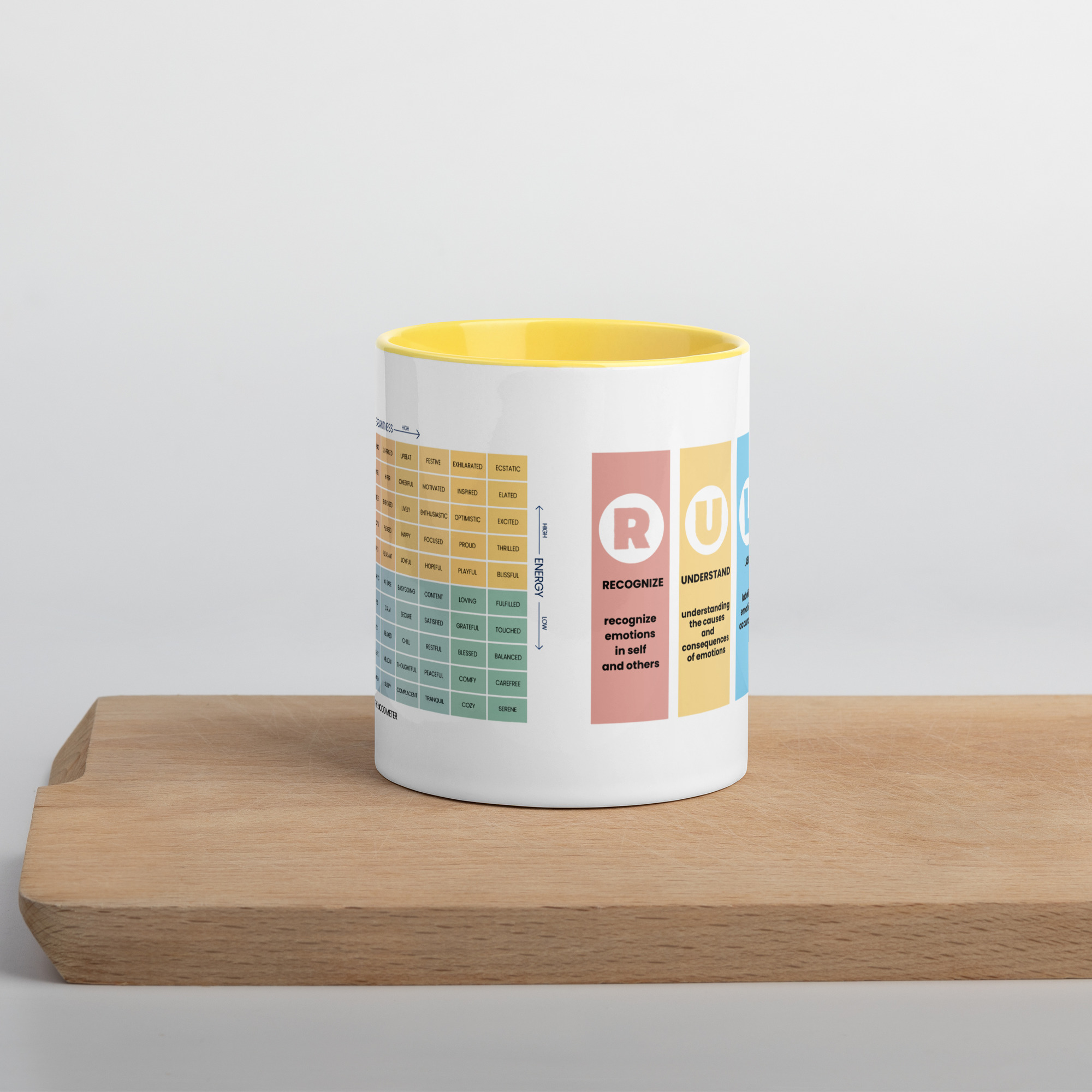
The Mood Meter & RULER White Glossy Ceramic Mug
Price range: $11.00 through $14.50 -
-
Bubble-Free Stickers – Durable High-Opacity Vinyl for Smooth Application
Price range: $7.50 through $11.00 -

-
The Mood Meter Greeting Card – Premium Paperboard with Envelope
Price range: $7.50 through $9.00