Understanding Children’s Mental Health: A Complete Evidence-Backed Guide
Children’s mental health shapes how young people think, feel, learn, and connect with the world. As the social landscape grows more complex, we recognize that emotional well-being is as essential as physical health. We focus on the full spectrum of children’s mental health needs, from developmental foundations to early warning signs, protective factors, and proven support strategies that empower families, caregivers, and educators.
What Children’s Mental Health Includes
Children’s mental health encompasses emotional regulation, social engagement, behavior patterns, learning ability, and overall psychological resilience. These components develop rapidly through early childhood and continue evolving through adolescence. Healthy mental functioning enables children to form stable relationships, solve problems, adapt to stress, and perform effectively in school and community settings.
Key Influences on Mental Well-Being
Children’s mental health is shaped by biological, environmental, and social factors. Genetic predispositions may influence mood regulation or attention, while family dynamics determine the emotional climate in which a child grows. Community structure, school environments, and peer relationships further impact a child’s sense of safety, belonging, and identity. When these influences align positively, children build strong emotional foundations.
Early Brain Development and Mental Health
During early childhood, neural pathways responsible for emotional processing and decision-making grow rapidly. Consistent nurturing, supportive communication, and predictable routines strengthen the brain’s architecture. Chronic stress, instability, or exposure to conflict can disrupt these patterns, increasing long-term risks. Early positive interactions foster durable resilience and emotional stability.
Common Mental Health Challenges in Children
Many childhood mental health conditions emerge before adolescence. Among the most prevalent concerns are:
Anxiety Disorders
Excessive worry, avoidance behaviors, separation anxiety, and difficulty concentrating often indicate anxiety issues. When left unaddressed, these patterns can hinder academic performance and daily functioning.
Attention-Deficit/Hyperactivity Disorder
ADHD involves persistent inattention, hyperactivity, or impulsivity. Children may struggle to stay organized, follow instructions, or manage energy levels appropriately in structured settings.
Depressive Disorders
Children experiencing depression may show irritability, withdrawal from activities, fatigue, or changes in sleep and appetite. These symptoms disrupt social relationships and academic engagement.
Behavioral and Conduct Disorders
Defiance, aggressive behavior, persistent rule-breaking, or emotional volatility often signal deeper challenges in emotional regulation or environmental stress.
Recognizing Early Warning Signs
Early detection is essential for effective support. Key warning signs include:
Persistent sadness or withdrawal
Excessive fear or worry
Sudden changes in behavior or personality
Difficulty sleeping or eating
Extreme irritability
Challenges with attention or impulse control
Declining school performance
Social isolation or conflicts with peers
When these symptoms persist for weeks and impact daily life, caregivers should seek evaluation from qualified professionals.
Protective Factors That Strengthen Emotional Health
Strong protective factors can buffer the effects of stress and reduce the likelihood of developing mental health disorders. These include:
Stable, supportive family relationships
Predictable routines and clear expectations
Access to quality education and social opportunities
Healthy sleep, nutrition, and physical activity
Positive peer and community connections
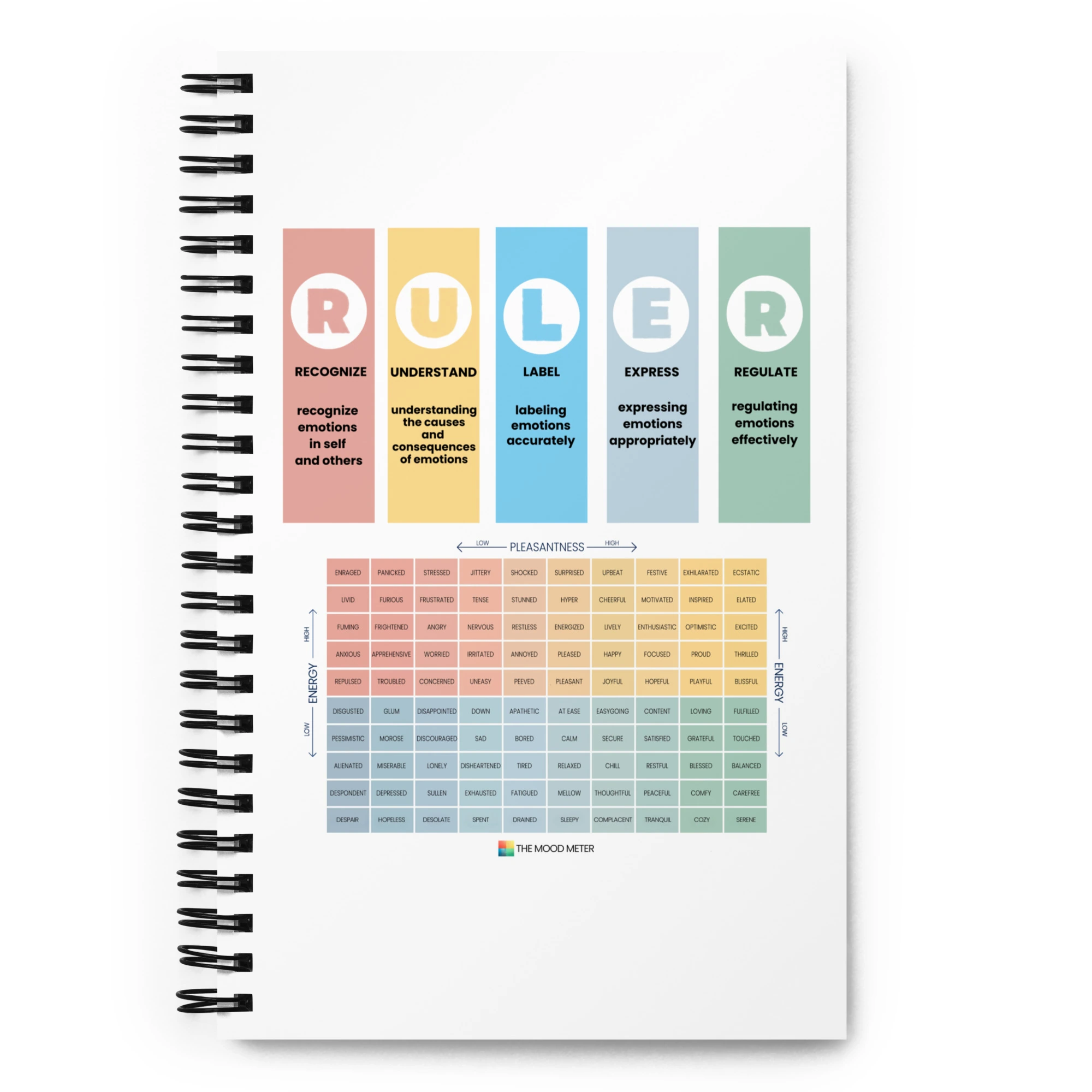
Emotional literacy tools that help children label, express, and regulate feelings
The Role of the Mood Meter in Emotional Development
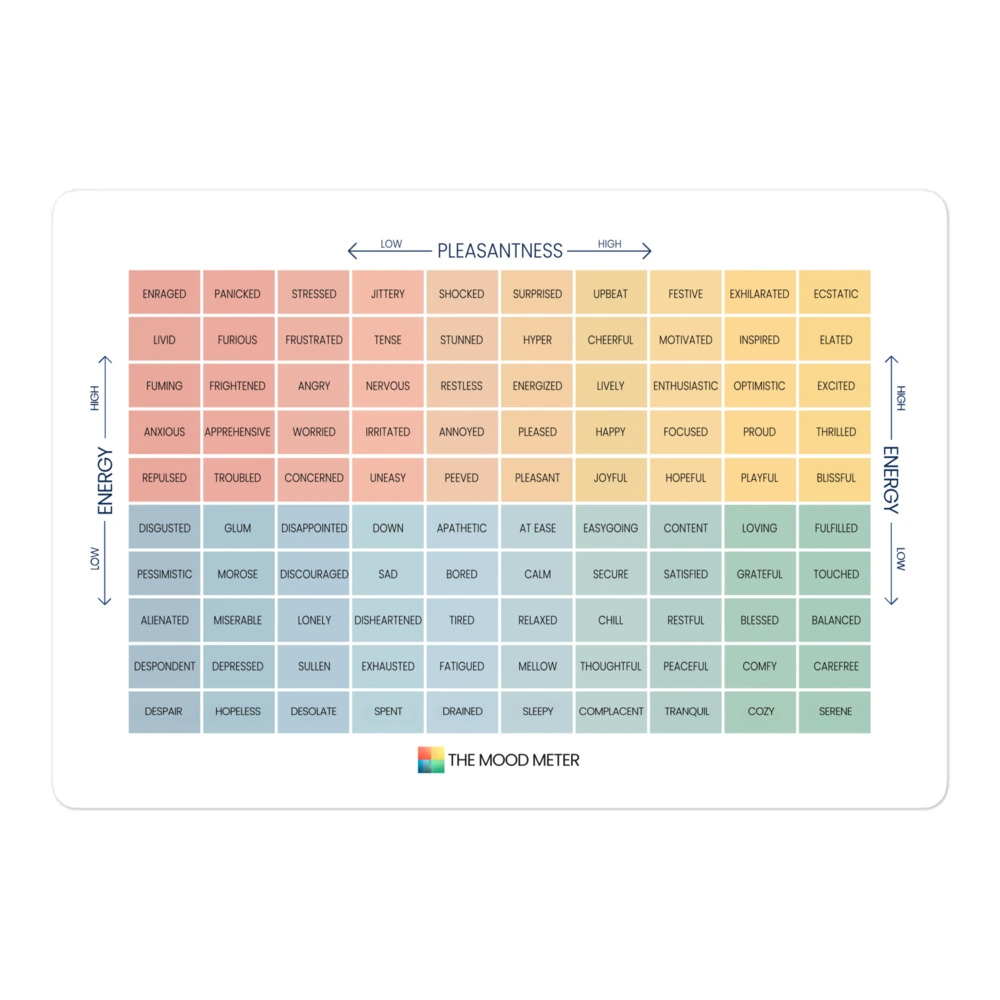
The Mood Meter is a research-based emotional intelligence tool that helps children identify, understand, and regulate their emotions. Using a four-color quadrant system, it teaches students to name their feelings accurately and reflect on the causes behind them. By tracking their emotional states and learning strategies for self-regulation, children gain confidence, improve communication, and develop stronger interpersonal skills. The Mood Meter empowers them to navigate challenges with clarity, self-awareness, and empathy.
How Families Can Support Children’s Mental Health
Families play a foundational role in shaping a child’s emotional world. Effective support strategies include:
Maintaining open conversations about feelings
Encouraging healthy coping mechanisms
Modeling calm responses to stress
Creating structured daily routines
Limiting exposure to conflict and digital overstimulation
Building strong bonds through quality time and active listening
Supporting Mental Health in Schools
Schools are key environments for early detection and support. Effective practices include:
Emotionally Supportive Classrooms
Teachers who foster respect, empathy, and trust create safe spaces where children feel comfortable sharing concerns.
Behavioral Interventions
Evidence-based strategies, such as positive reinforcement or structured behavioral plans, help students improve focus and self-control.
Early Screening and Referrals
Routine mental health check-ins and collaboration with school counselors ensure early identification of emerging issues.
The Importance of Early Intervention
The earlier a child receives support, the better the long-term outcomes. Early intervention helps stabilize behavior, improve emotional regulation, and prevent symptoms from escalating into more severe conditions. Therapy, counseling, skill-building programs, and family support services play central roles in shaping positive trajectories.
Community Resources That Strengthen Well-Being
Community-based programs, such as after-school activities, youth mentoring, family support centers, and mental health clinics, offer essential networks for children and caregivers. Access to culturally responsive services helps ensure inclusive, equitable care for diverse communities.
Building Resilience for Lifelong Mental Health
Resilience gives children the capacity to recover from setbacks and adapt to challenges. It grows through:
Supportive relationships
Positive self-identity
Opportunities to practice problem-solving
Mindfulness and self-regulation tools
Encouragement from adults who believe in them
When these elements work together, children develop the emotional strength to thrive through changing circumstances.
Why Comprehensive Child Mental Health Support Matters
When children receive consistent emotional support, they build stronger relationships, perform better academically, and grow into healthier adults. By integrating family involvement, school collaboration, community resources, and emotional literacy tools like the Mood Meter, we create environments that help every child flourish.
We remain committed to promoting awareness, strengthening resilience, and ensuring that children have the emotional foundation they need to navigate life with confidence and well-being.
-

-

The Mood Meter & RULER White Glossy Ceramic Mug
Price range: $11.00 through $14.50 -
-
Bubble-Free Stickers – Durable High-Opacity Vinyl for Smooth Application
Price range: $7.50 through $11.00 -

-
The Mood Meter Greeting Card – Premium Paperboard with Envelope
Price range: $7.50 through $9.00