SEL for Educators and Families: A Unified Approach to Emotional Growth
Introduction
Social and Emotional Learning (SEL) has become one of the most essential pillars in helping children grow into confident, empathetic, and resilient individuals. While schools provide structured SEL lessons, families offer daily emotional modeling. When educators and families work together, SEL becomes far more powerful, helping children thrive both academically and emotionally.
Why SEL Matters for Educators
Educators play a key role in shaping how children understand and manage emotions. A classroom that integrates SEL doesn’t simply focus on academic content; it creates an environment where students feel safe, respected, and emotionally supported. Teachers who include emotional check-ins, reflective discussions, and collaborative problem-solving often see improved behavior, stronger peer relationships, and deeper engagement. SEL also helps teachers reduce stress by giving them tools to communicate more effectively and build trusting classroom relationships.
The Role of Families in Emotional Development
Children learn their earliest emotional habits at home. Families help shape how they respond to stress, speak about feelings, resolve conflict, and connect with others. Parents who talk openly about emotions and model healthy coping strategies, such as pausing before reacting, calming with breathwork, or expressing needs clearly, give children a strong foundation. When SEL is reinforced at home, students bring greater emotional confidence and stability into their school environment, making learning less stressful and more joyful.
The Power of Collaboration Between Home and School
SEL works best when educators and families communicate regularly and use similar strategies. A shared emotional language makes things easier for everyone. For example, a child taught at school to identify frustration and ask for support will benefit when a parent reinforces that skill at home. This seamless alignment creates emotional consistency and helps children apply their SEL skills throughout daily life, not just in one environment.
How the Mood Meter Supports Children, Educators, and Families
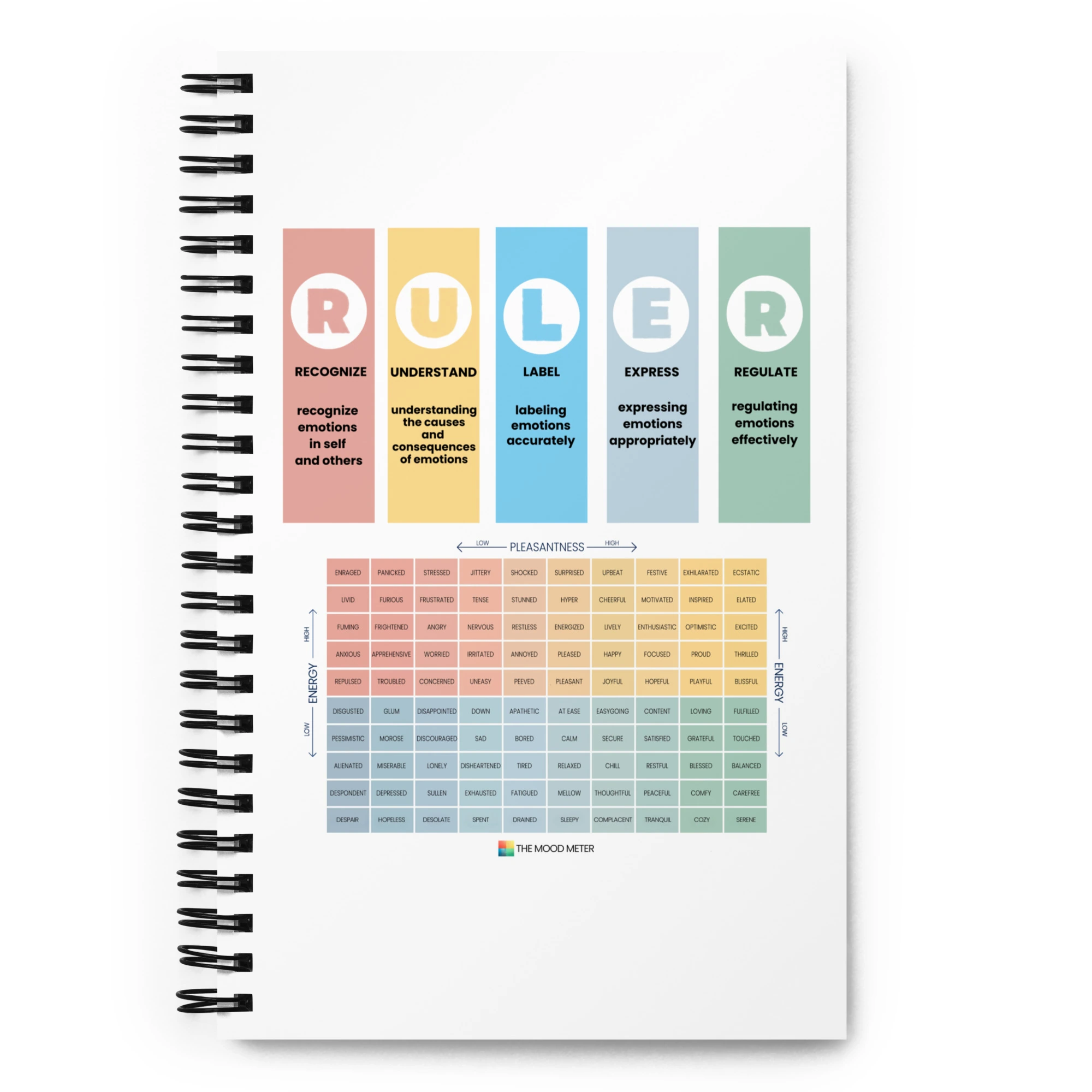
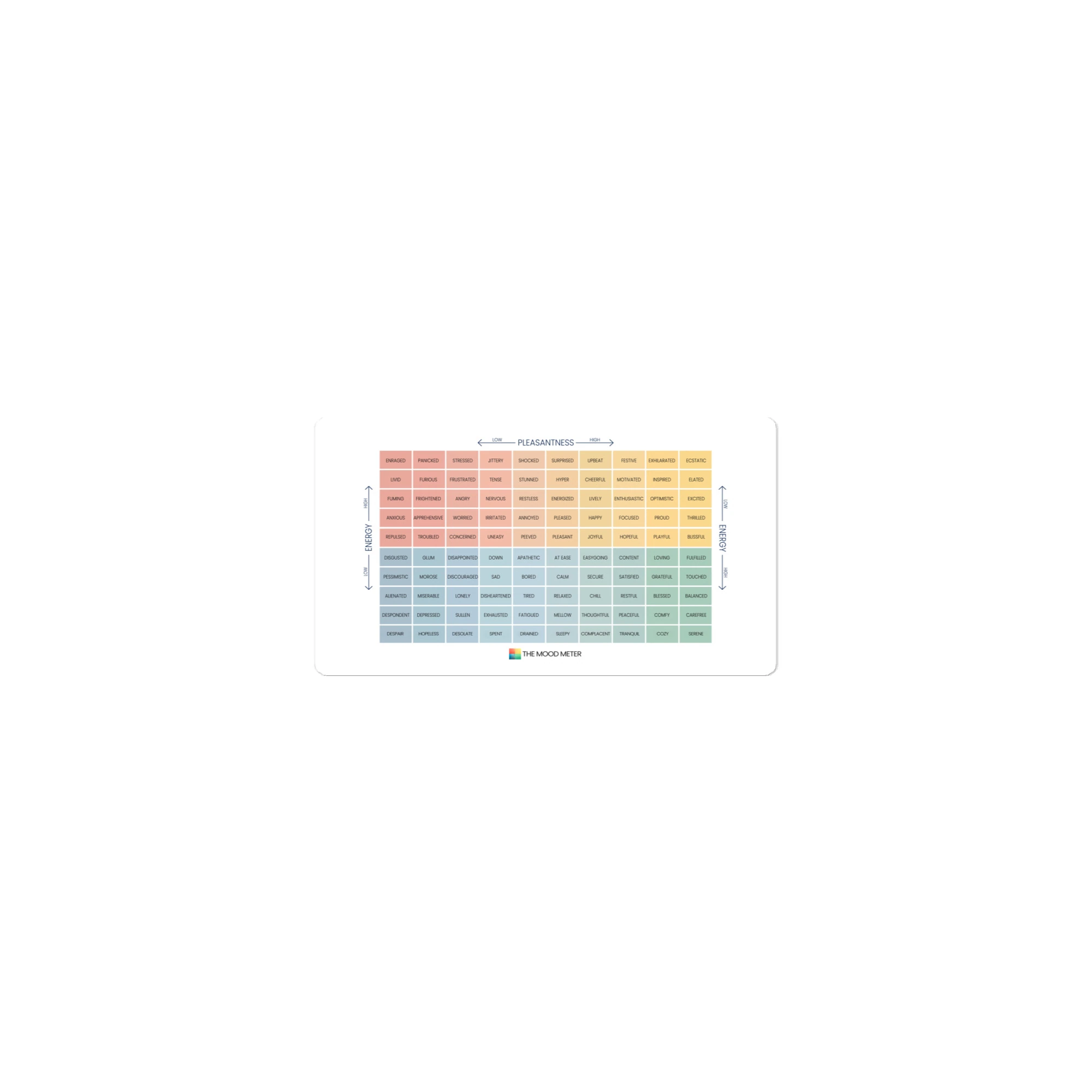
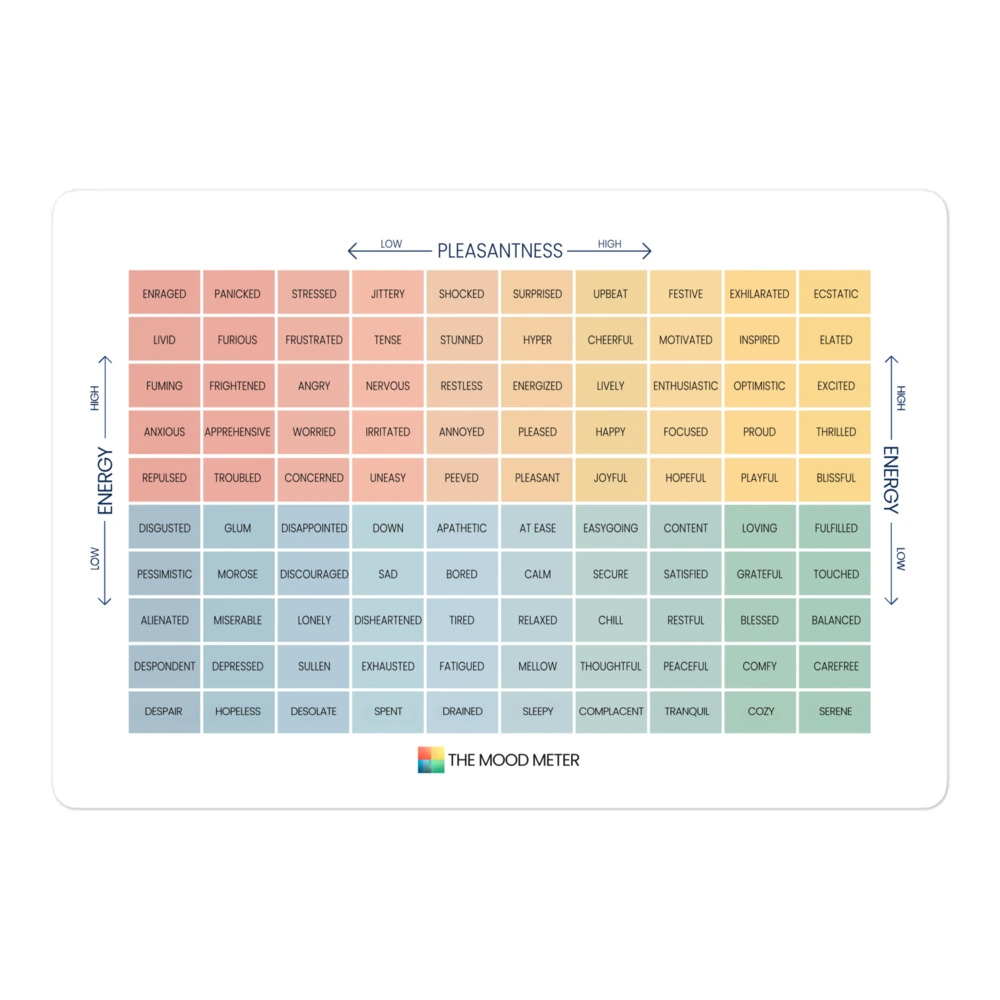
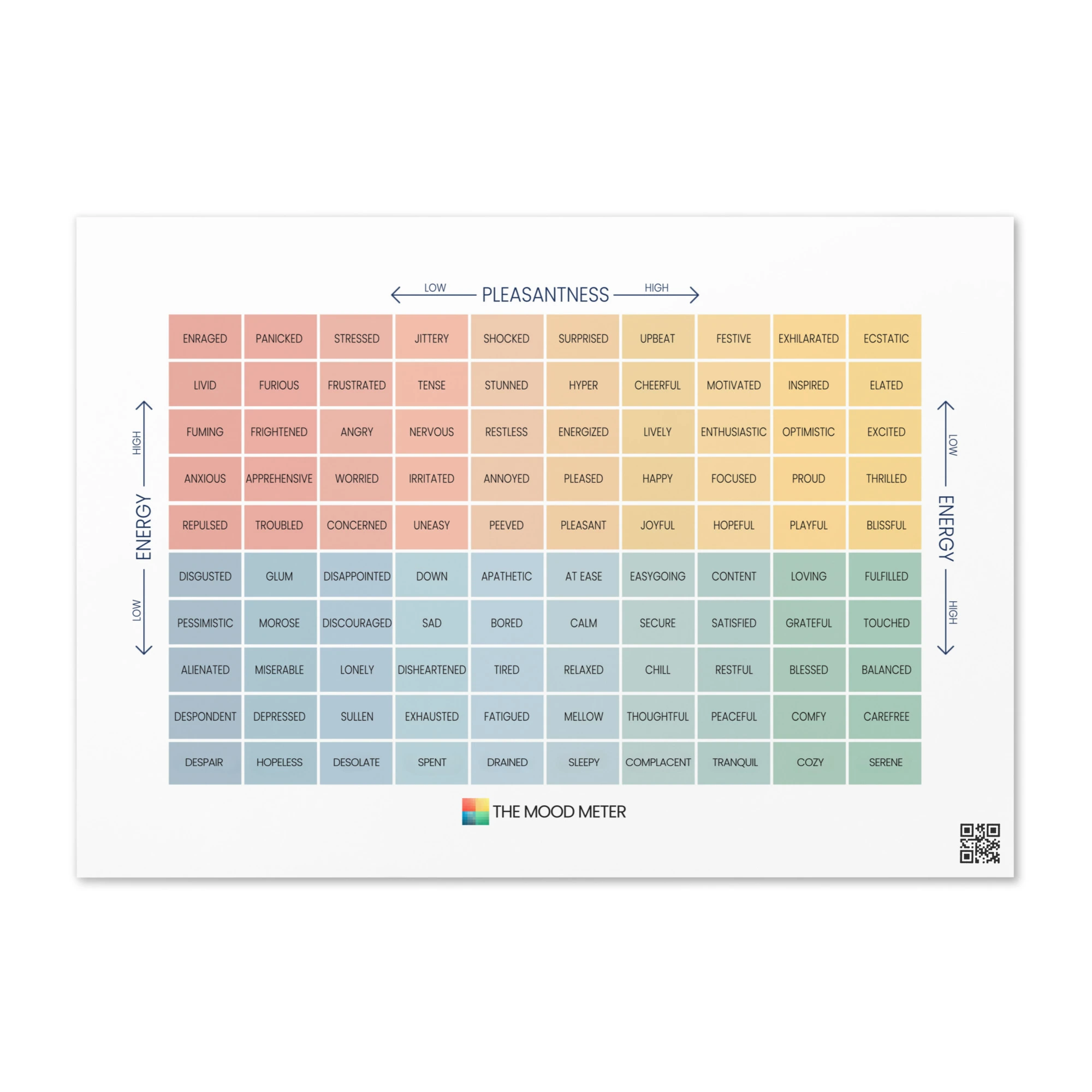
The Mood Meter is an SEL tool that helps children and adults identify and understand their emotions using two simple scales: energy and pleasantness. Emotions are organized into four color quadrants: Red (high energy, unpleasant), Yellow (high energy, pleasant), Blue (low energy, unpleasant), and Green (low energy, pleasant). By checking in throughout the day, students learn to name feelings more accurately, notice emotional patterns, and choose helpful strategies to shift into more productive states. Educators and families can both use the Mood Meter, creating a shared emotional vocabulary that strengthens communication and deepens trust across home and school.
SEL Benefits Extend Beyond the Classroom
Students who understand their emotions tend to be better problem solvers, more cooperative in groups, and more confident when facing academic challenges. SEL skills improve focus, reduce anxiety, and help students adapt when things feel overwhelming. Teachers notice fewer conflicts and smoother transitions, while families see children becoming better listeners, more patient siblings, and more thoughtful decision-makers.
Simple SEL Practices for Home and School
SEL doesn’t require complicated activities. Educators can use morning check-ins, partner discussions, and reflective journaling to help students connect emotionally. Families can support this work with simple routines like asking children to share a feeling from their day, practicing calming techniques together, or celebrating acts of kindness. Tiny, consistent habits make a significant impact over time.
When educators and families join forces to support SEL, children receive the emotional guidance they need in every part of their lives. The shared use of tools like the Mood Meter strengthens communication, builds empathy, and creates a unified path for emotional growth. To explore how strong relationships and supportive environments reinforce emotional development, visit Building Strong, Safe, and Supportive School Communities. This combined effort prepares children not just for academic success but for the complex relationships and responsibilities of adulthood.
-
-

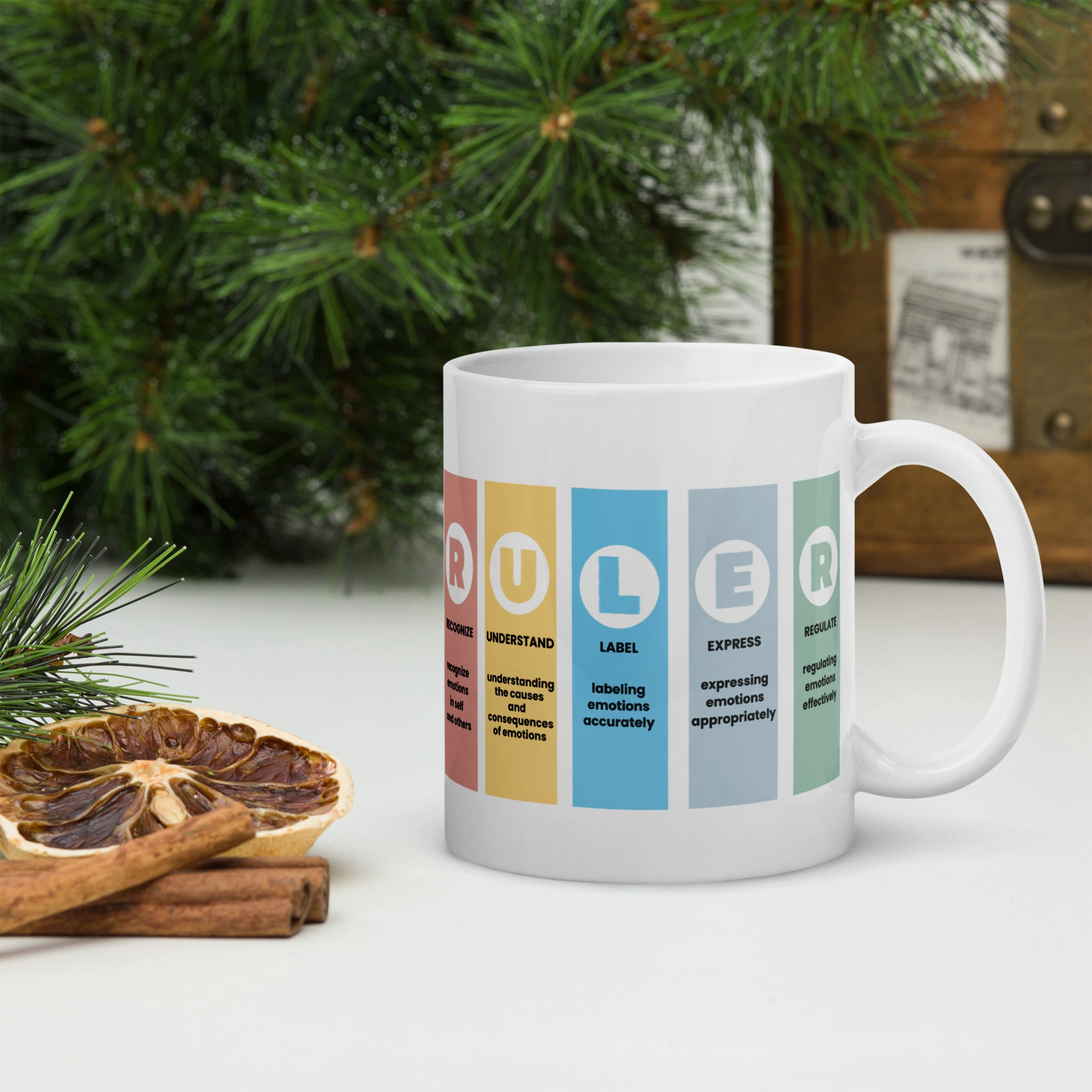
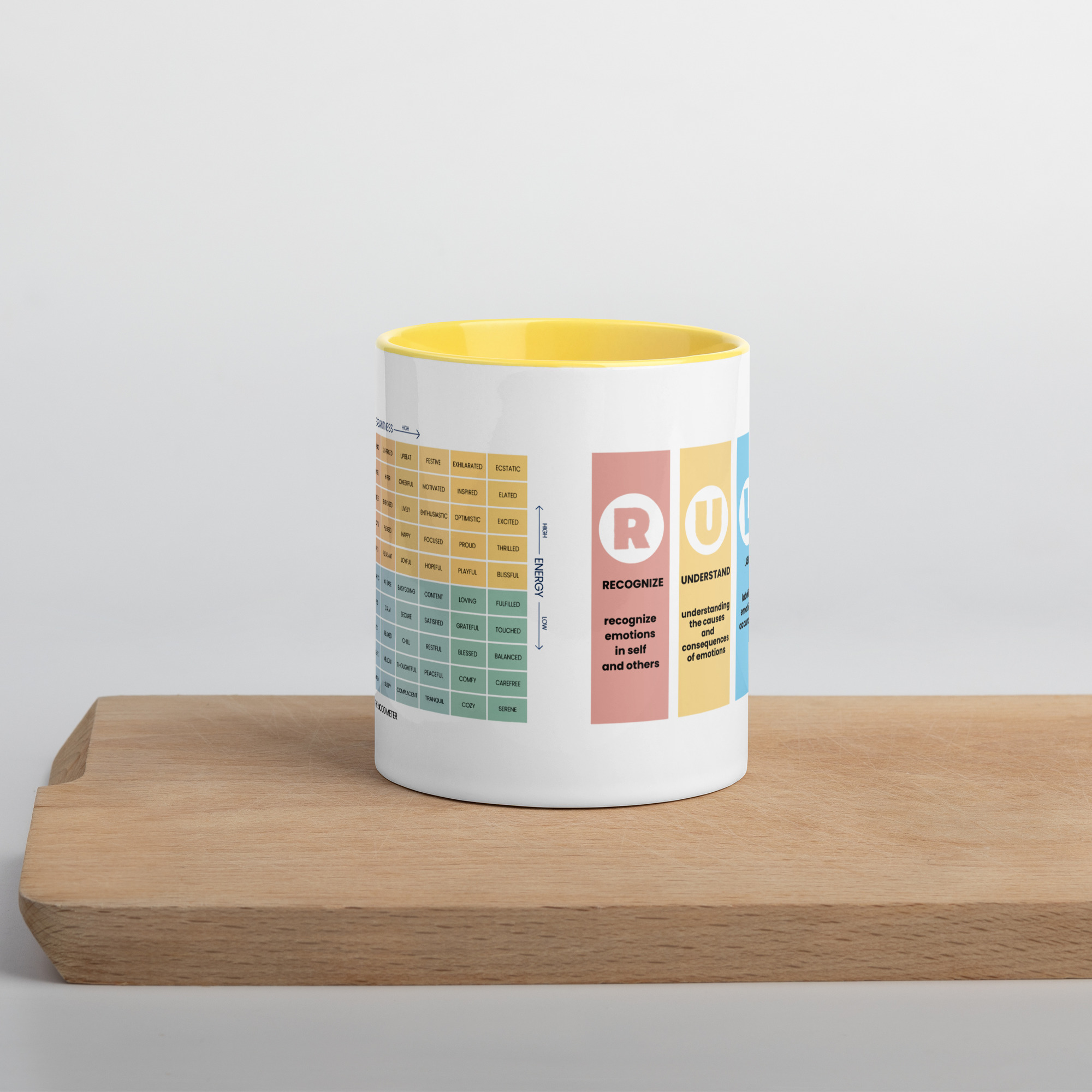
The Mood Meter & RULER White Glossy Ceramic Mug
Price range: $11.00 through $14.50 -
-
Bubble-Free Stickers – Durable High-Opacity Vinyl for Smooth Application
Price range: $7.50 through $11.00 -

-
The Mood Meter Greeting Card – Premium Paperboard with Envelope
Price range: $7.50 through $9.00