Reveals Emotional Triggers: Meaning, Types & How the Mood Meter Helps You Understand Your Emotions
Reveals Emotional Triggers
Understanding emotional triggers is one of the most important steps toward emotional intelligence and self-awareness. Emotional triggers are specific events, words, situations, or interactions that cause an intense emotional response. These reactions often happen quickly and automatically, sometimes before we fully understand what is happening. When we take time to explore these triggers, we gain more control over our behavior, our communication, and our emotional well-being. Instead of reacting impulsively, we respond with clarity and confidence.
What Are Emotional Triggers?
Emotional triggers are moments that activate strong feelings such as anger, disappointment, anxiety, or sadness. These reactions usually come from past experiences, personal beliefs, or deep emotional needs. For example, someone who values respect may feel triggered when they are interrupted, while someone who grew up with harsh criticism may feel upset when receiving feedback.
Recognizing these emotional patterns helps us understand why certain situations affect us more than others. This awareness creates opportunities for emotional growth, healthier communication, and more balanced reactions.
Why Identifying Triggers Matters
Understanding your emotional triggers creates space between your feelings and your reactions. This space allows you to pause, reflect, and choose how to respond rather than reacting from emotion alone. When you become aware of your triggers, you gain insight into your needs, boundaries, and emotional limits.
This type of awareness strengthens relationships because it helps you explain what you’re feeling and why. It also reduces misunderstandings, helps prevent emotional overload, and promotes more stable emotional health.
Common Types of Emotional Triggers
Many emotional triggers fall into predictable categories.
1. Social Triggers: feeling judged, ignored, excluded, or misunderstood.
2. Environmental Triggers: loud noises, cluttered spaces, or stressful surroundings.
3. Communication Triggers: criticism, tone of voice, interruptions, or sharp comments.
4. Personal History Triggers: memories or experiences that bring back strong emotions from the past.
Understanding which type affects you most helps you manage your reactions with more confidence and less stress.
How to Manage Emotional Triggers
Once you identify your triggers, the next step is learning how to handle them effectively. Techniques like deep breathing, pausing before responding, or reframing negative thoughts can calm emotional reactions. Setting boundaries, expressing needs, or removing yourself from a stressful situation can also prevent emotional escalation.
Mindfulness practices, such as journaling, meditation, or Mood Meter check-ins, build emotional clarity and help you understand your emotional responses more deeply. The goal is not to eliminate triggers but to manage them in healthier, more intentional ways.
Emotional triggers are a normal part of life, but they do not have to control how we respond. By identifying and understanding what affects us emotionally, we strengthen our self-awareness, communication, and emotional stability. With the help of tools like the Mood Meter, emotional patterns become clearer and more manageable.
Mastering your emotional triggers empowers you to grow, connect meaningfully with others, and move through challenges with confidence and resilience.
How the Mood Meter Helps Reveal Emotional Triggers
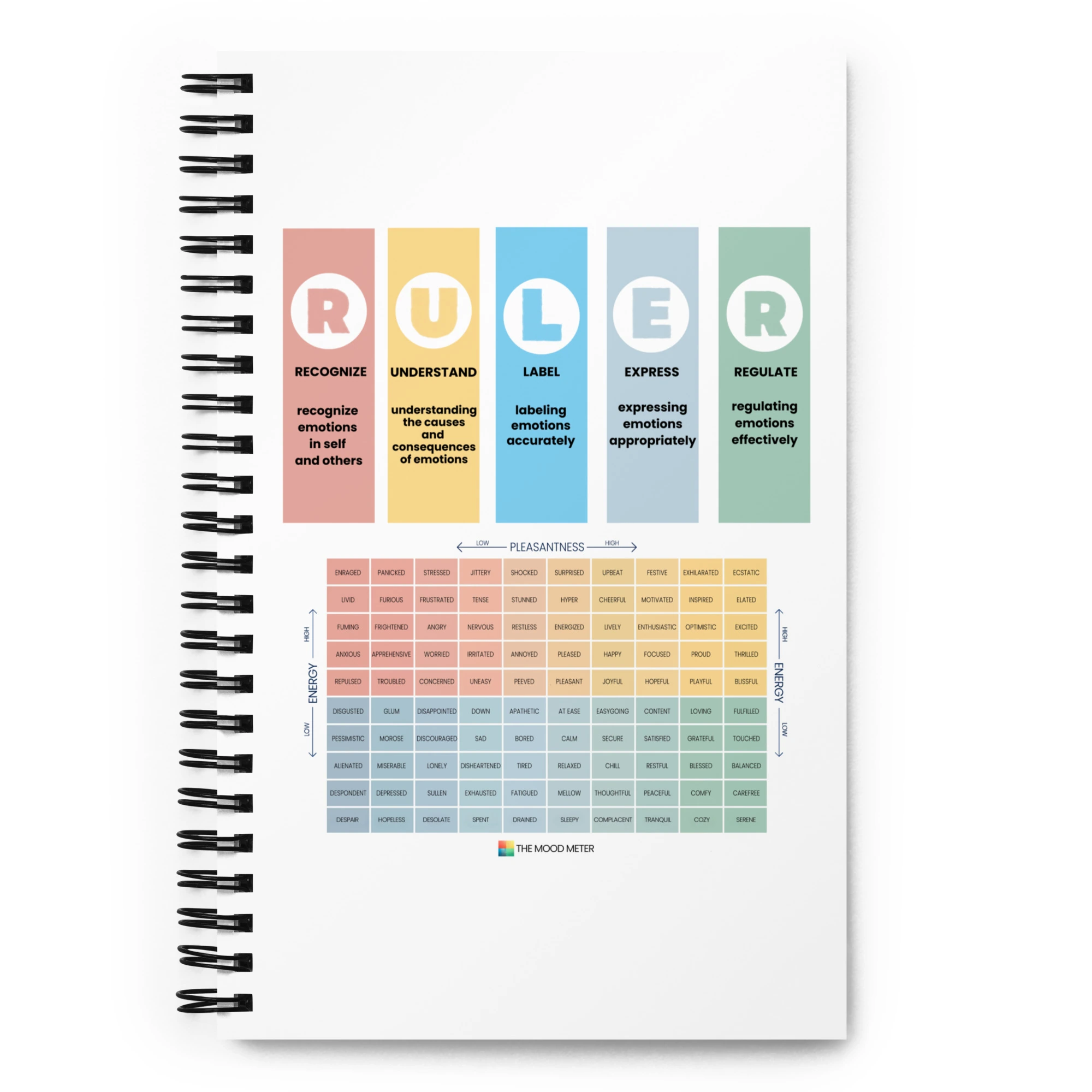
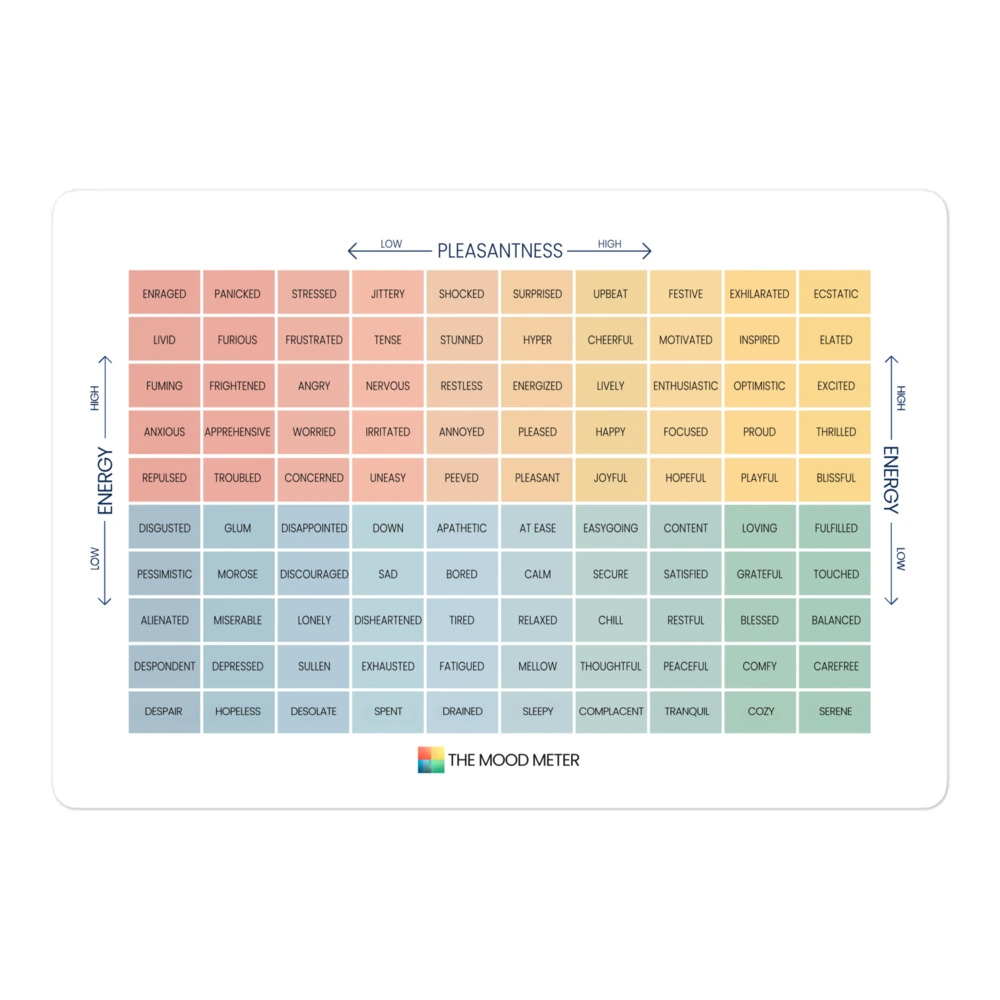
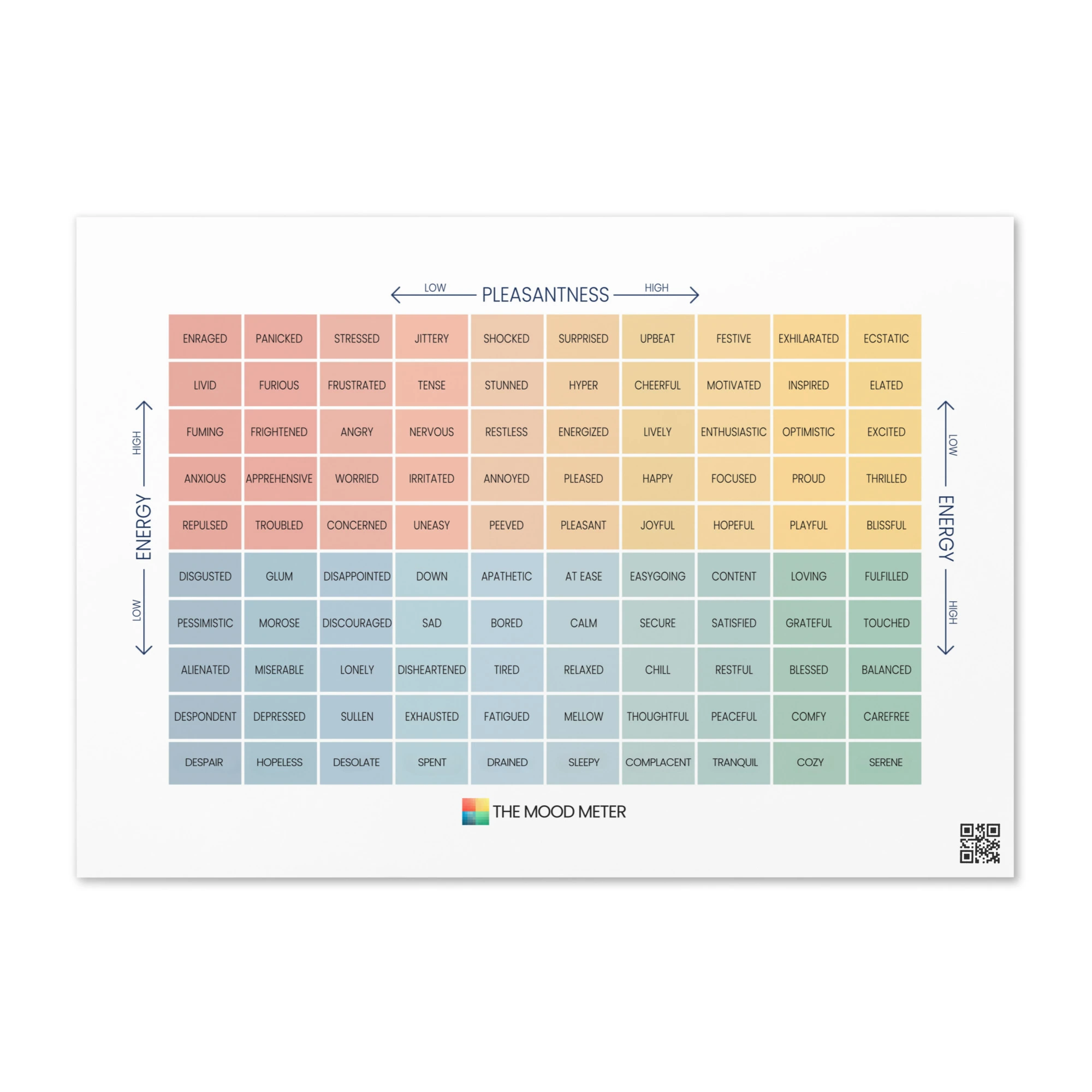
The Mood Meter, developed by the Yale Center for Emotional Intelligence, is a helpful tool for recognizing emotional triggers. It organizes emotions into four color-coded zones based on energy and pleasantness. By checking in with the Mood Meter, individuals identify whether they feel calm, frustrated, excited, or low-energy.
This daily practice makes emotional patterns easier to notice. You begin to see which moments push you into high-energy unpleasant feelings, which situations help you calm down, and which experiences shift your emotions quickly. Over time, these observations reveal emotional triggers and help build stronger emotional regulation. The Mood Meter turns vague feelings into clear, understandable information.
-
-

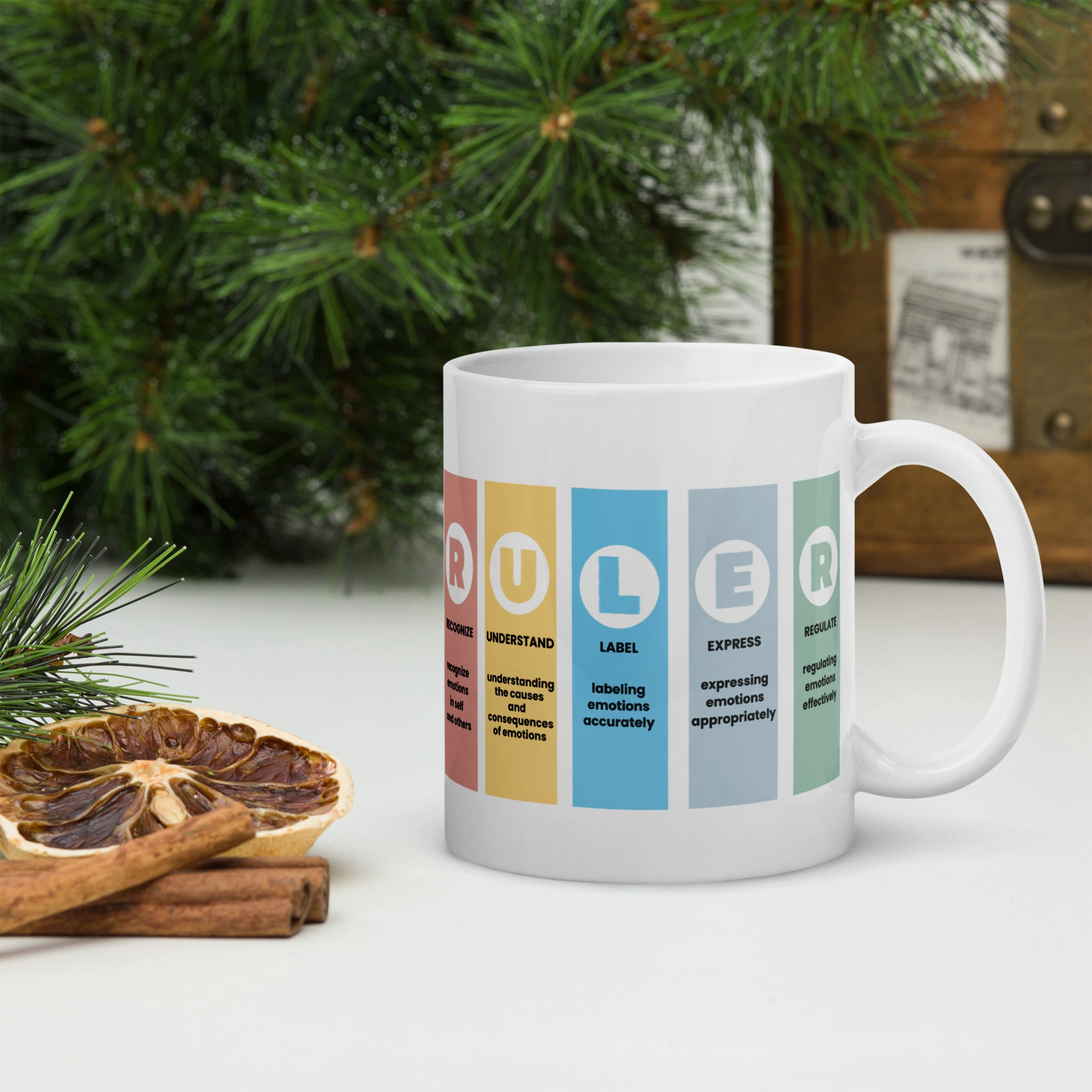
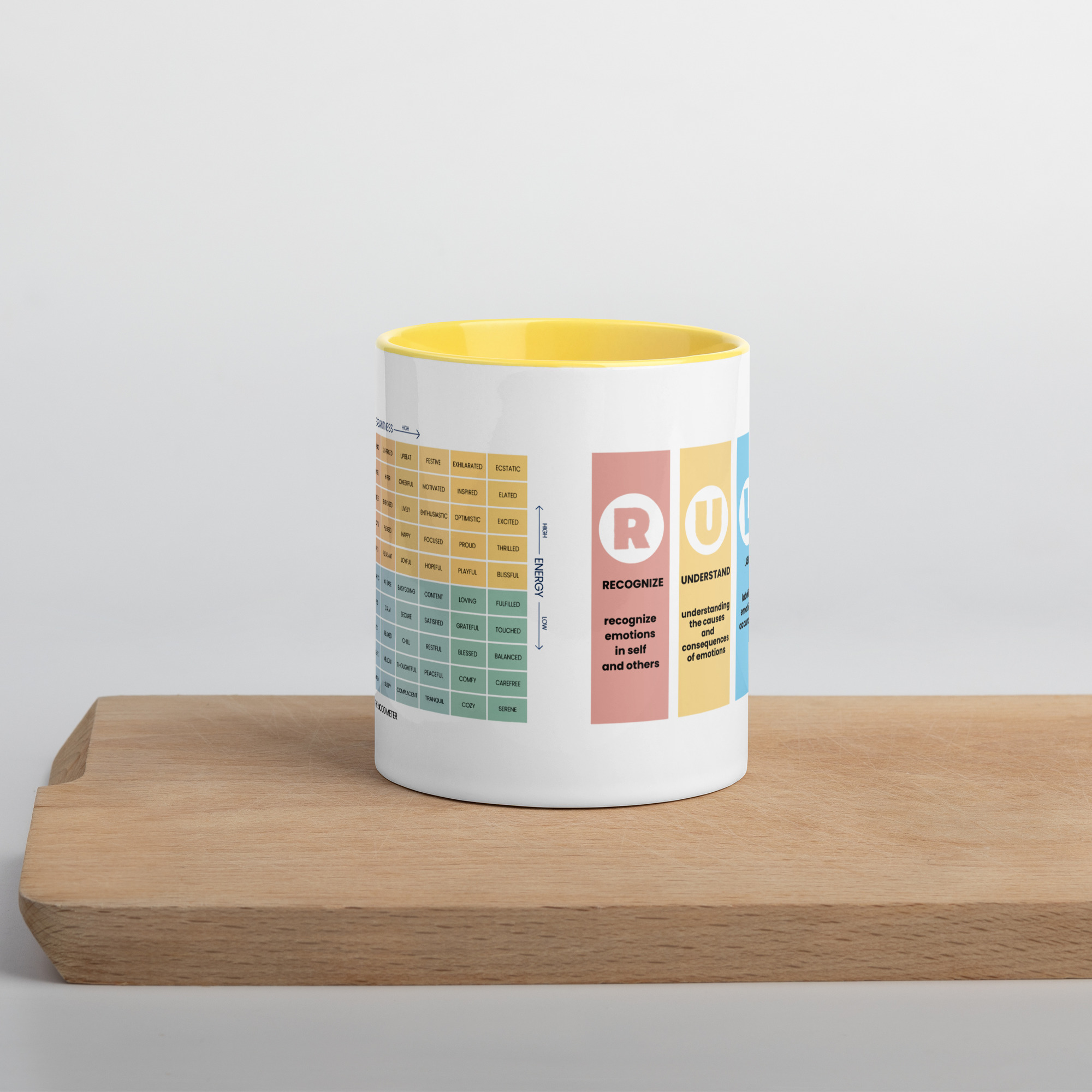
The Mood Meter & RULER White Glossy Ceramic Mug
Price range: $11.00 through $14.50 -
-
Bubble-Free Stickers – Durable High-Opacity Vinyl for Smooth Application
Price range: $7.50 through $11.00 -

-
The Mood Meter Greeting Card – Premium Paperboard with Envelope
Price range: $7.50 through $9.00