How Emotional Awareness Improves Stress Recovery
Stress is an unavoidable part of life, but how quickly and effectively we recover from stress varies widely. One of the most powerful factors influencing stress recovery is emotional awareness, the ability to recognize, understand, and name emotions as they occur. When individuals are emotionally aware, they are better equipped to regulate stress responses and return to balance more efficiently.
Understanding Stress as an Emotional Experience
Stress is not only a physical reaction; it is also an emotional experience. Emotions such as anxiety, frustration, overwhelm, or fear often accompany stressful situations.
Without emotional awareness, stress can feel vague and unmanageable. When emotions are clearly identified, stress becomes more understandable and less overwhelming, allowing for targeted regulation.
Emotional Awareness Reduces Reactivity
When people lack emotional awareness, they are more likely to react impulsively to stress. Small challenges can trigger outsized responses because emotions remain unnamed and unresolved.
By identifying emotions in the moment, individuals create psychological space between the feeling and the reaction. This space reduces reactivity and supports thoughtful responses, which speeds stress recovery.
Naming Emotions Calms the Nervous System
Research shows that naming emotions can reduce activity in the brain’s emotional centers. This process, often called affect labeling, helps calm the nervous system.
When emotions are labeled accurately, the body begins to relax. This physiological shift supports faster recovery after stressful events.
Awareness Guides Effective Regulation Strategies
Different emotions require different regulation strategies. Emotional awareness helps individuals choose strategies that match their needs.
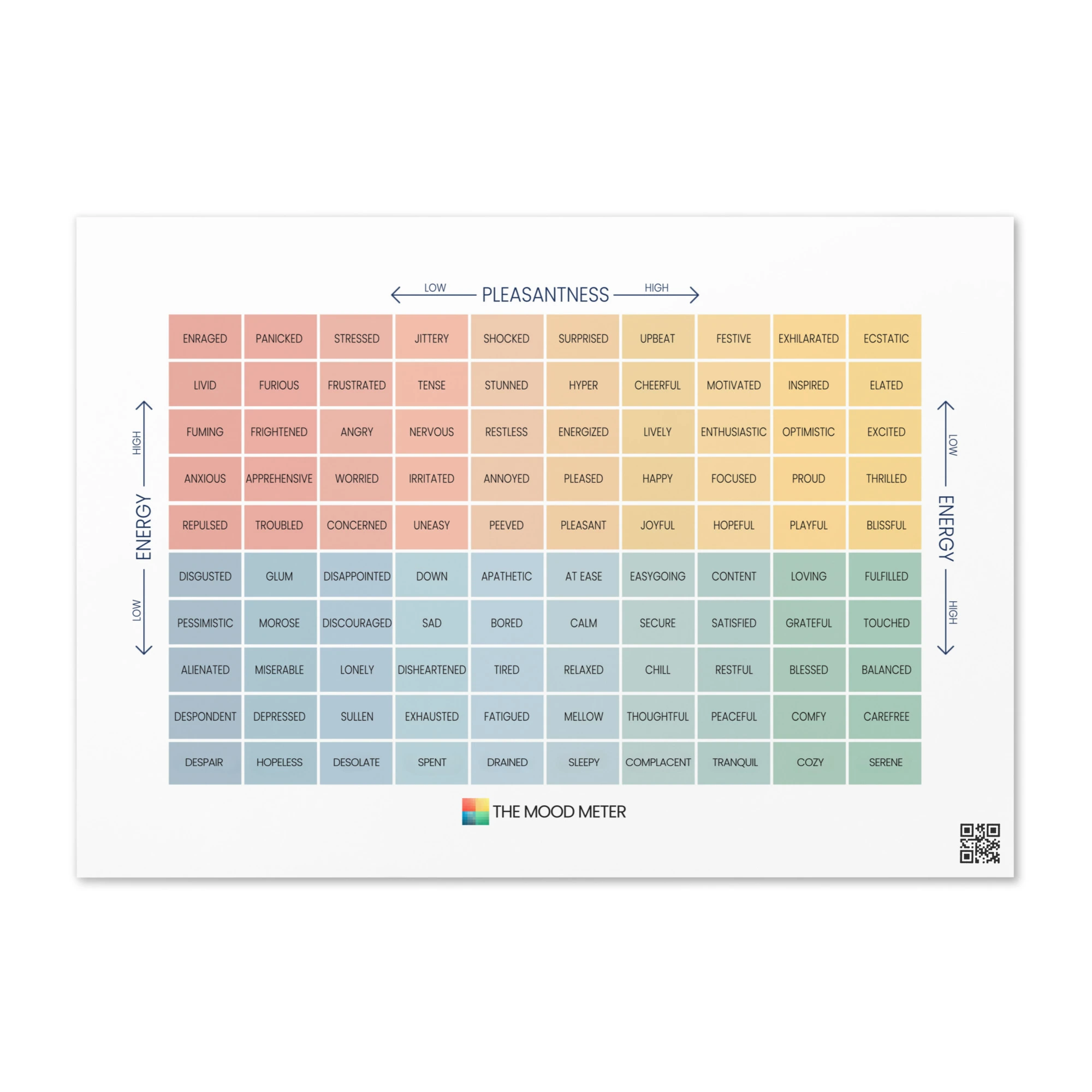
For example, high-energy emotions such as anxiety may require grounding or movement, while low-energy emotions such as discouragement may require connection or rest. Without awareness, regulation attempts may feel ineffective or frustrating.
Emotional Awareness Prevents Stress Accumulation
Unrecognized emotions tend to accumulate over time. Stress that is not processed emotionally can resurface as irritability, fatigue, or burnout.
By regularly checking in with their emotions, individuals prevent stress from building up. Emotional awareness acts as an early warning system, allowing for timely intervention and recovery.
Building Resilience Through Emotional Insight
Resilience is not about avoiding stress but recovering from it. Emotional awareness strengthens resilience by helping individuals understand patterns in their stress responses.
Recognizing emotional triggers and early signs of overload allows individuals to respond proactively rather than reactively. This insight supports quicker and more effective recovery.
Teaching Emotional Awareness to Children
Children often experience stress without the language to express it. Teaching emotional awareness helps children recognize and communicate their feelings.
When children can name emotions, they are better able to seek support and regulate stress. This skill builds emotional resilience that lasts into adulthood.
Emotional Awareness Supports Self-Compassion
Stress often triggers self-criticism. Emotional awareness encourages a more compassionate response.
Recognizing emotions without judgment helps individuals treat themselves with kindness during difficult moments. Self-compassion reduces stress intensity and supports emotional recovery.
Emotional Awareness Strengthens Daily Stress Recovery
Small daily stressors accumulate if left unchecked. Emotional awareness helps individuals reset throughout the day.
Brief emotional check-ins, reflection, or mindfulness support ongoing regulation. These practices reduce the long-term impact of stress.
How the Mood Meter Supports Stress Recovery
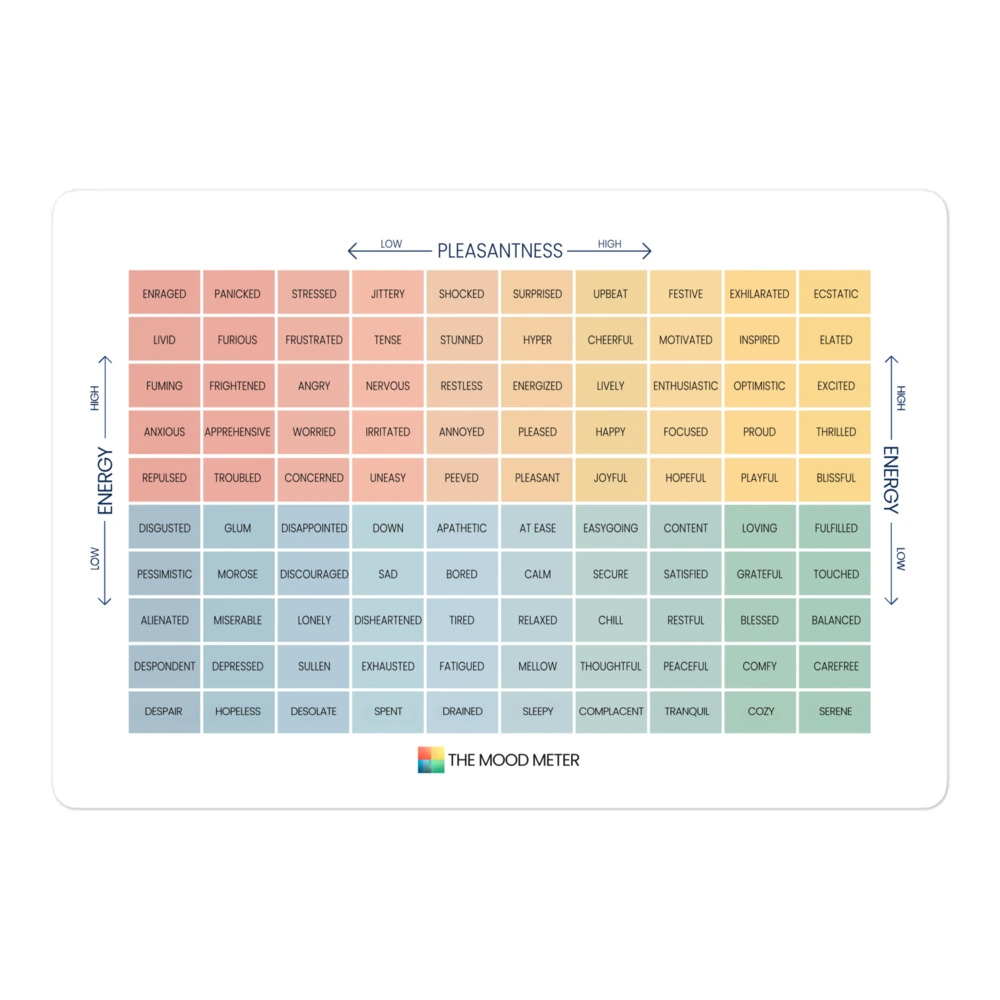
The Mood Meter strengthens emotional awareness by helping individuals identify emotions based on energy and pleasantness. By accurately naming emotions, individuals can choose regulation strategies that support recovery rather than avoidance. Regular use of the Mood Meter builds emotional insight, reduces reactivity, and promotes faster stress recovery.
-
-

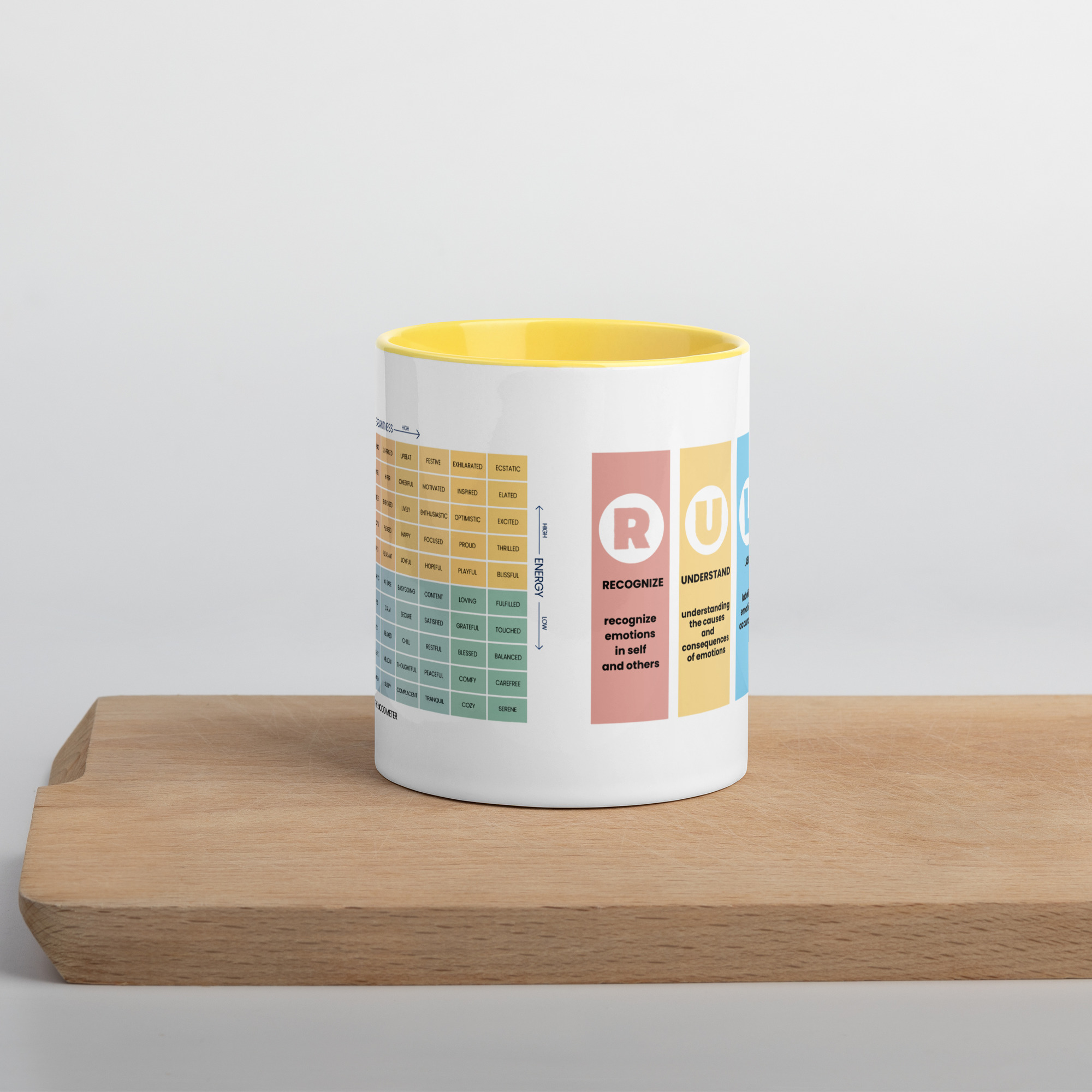
The Mood Meter & RULER White Glossy Ceramic Mug
Price range: $11.00 through $14.50 -
-
Bubble-Free Stickers – Durable High-Opacity Vinyl for Smooth Application
Price range: $7.50 through $11.00 -

-
The Mood Meter Greeting Card – Premium Paperboard with Envelope
Price range: $7.50 through $9.00