Why SEL Is Essential for Educators: Benefits, Well-Being, and Classroom Impact
Social and Emotional Learning (SEL) is often highlighted for its impact on students, but its importance for educators is just as significant. Teachers and school staff face emotional demands every day, including classroom management, addressing student needs, communicating with parents, managing high workloads, and the pressure to achieve strong academic outcomes. SEL gives educators the emotional tools, self-awareness, and resilience they need to thrive in these challenging environments.
The Emotional Landscape of Teaching
Educators balance dozens of decisions each hour, shifting roles from instructor to mentor to mediator. Without strong SEL skills, stress can escalate quickly. Emotional regulation helps teachers stay grounded when classrooms become noisy or conflicts arise. SEL also enhances patience, flexibility, and confidence, allowing educators to guide students effectively without becoming overwhelmed.
SEL Builds Stronger Teacher-Student Relationships
Positive relationships form the heart of effective teaching. Students learn better when they trust their teachers and feel emotionally safe in the classroom. SEL strengthens empathy, communication, and perspective-taking, all of which help educators connect deeply with the students they support. These stronger relationships lead to improved classroom climate, increased engagement, and better academic outcomes.
Reducing Stress and Preventing Burnout
Teacher burnout is a growing concern nationwide. SEL offers powerful prevention tools. When educators develop self-management skills, they become better at balancing responsibilities, recognizing emotional triggers, and shifting from reactive behaviors to intentional responses. SEL also supports mental well-being, giving teachers strategies to manage stress, recover from difficult moments, and sustain their passion for teaching over the long term.
Enhancing Professional Collaboration
Schools depend on teamwork. SEL helps educators communicate more clearly, resolve conflicts constructively, and collaborate with colleagues in meaningful ways. When teachers understand their own emotions, they are more open to feedback, more patient during disagreements, and more effective in shared problem-solving. This leads to stronger staff relationships and more unified instructional practices.
The Mood Meter: A Daily Emotional Check-In Tool
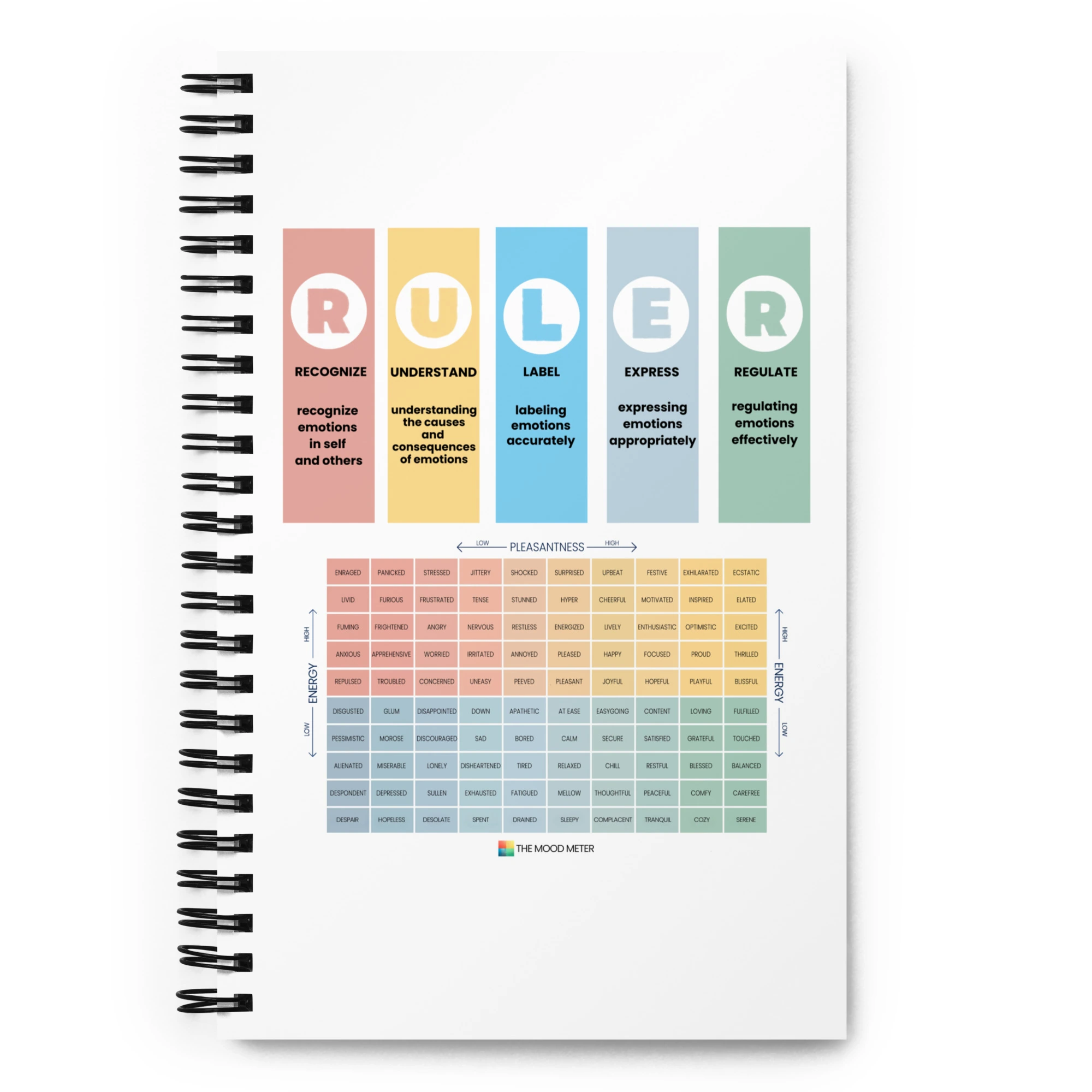
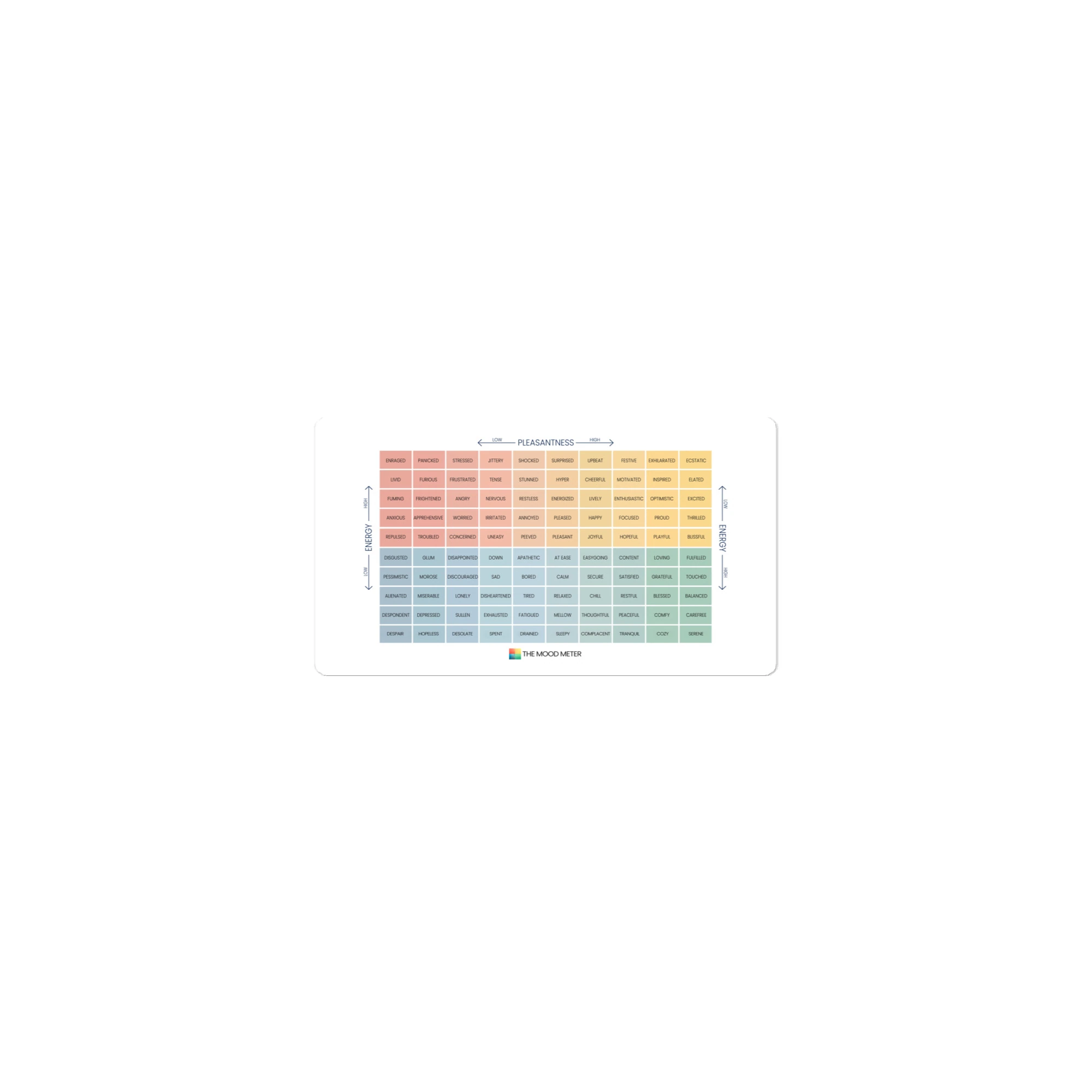
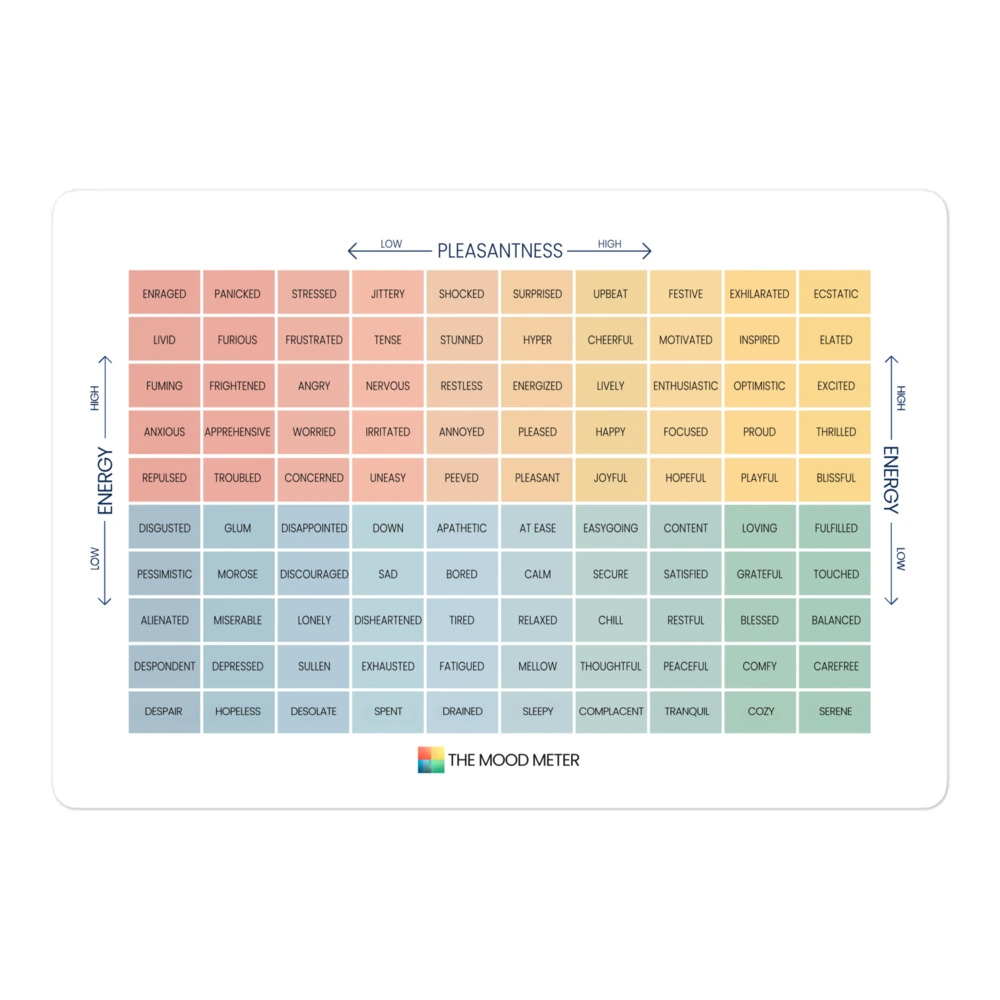
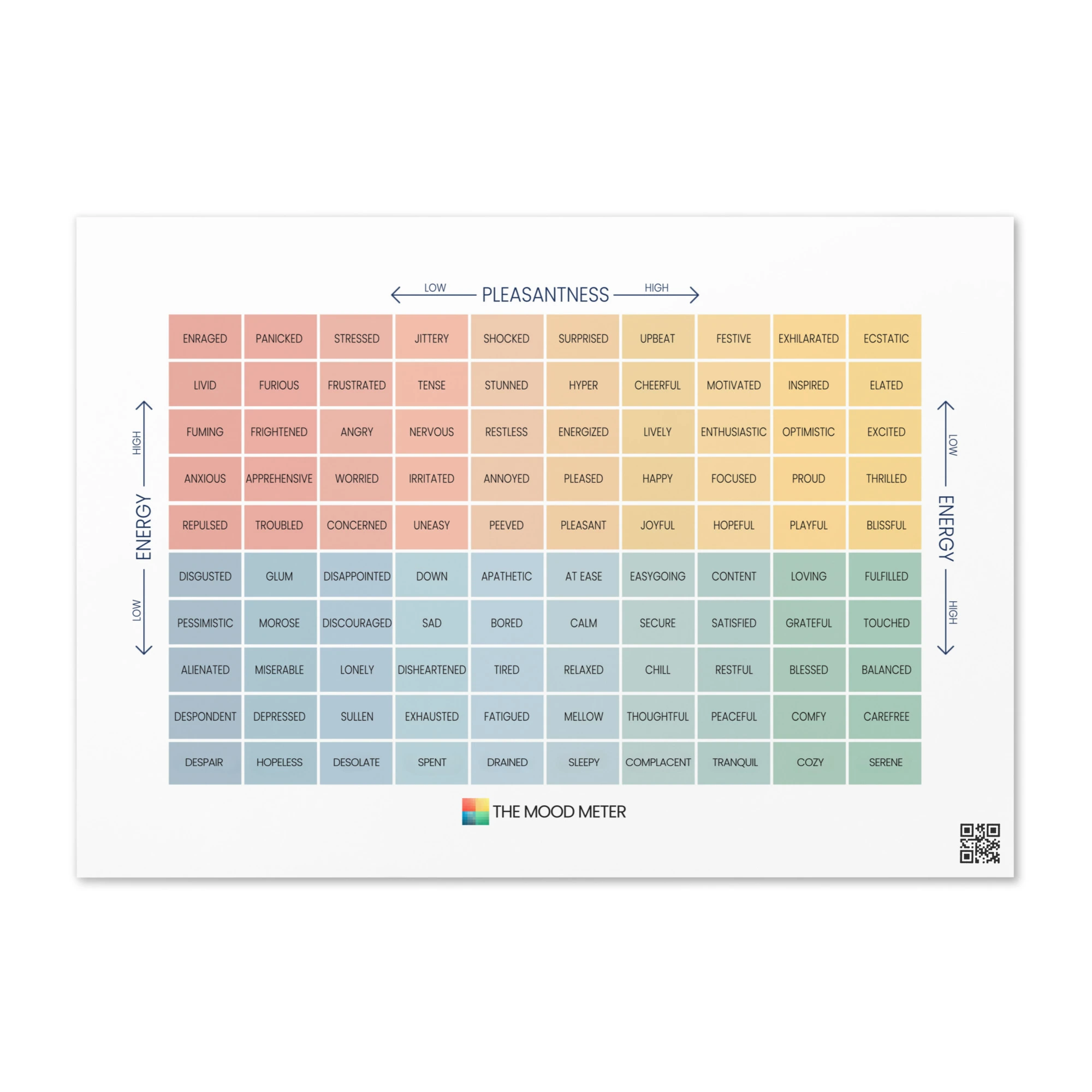
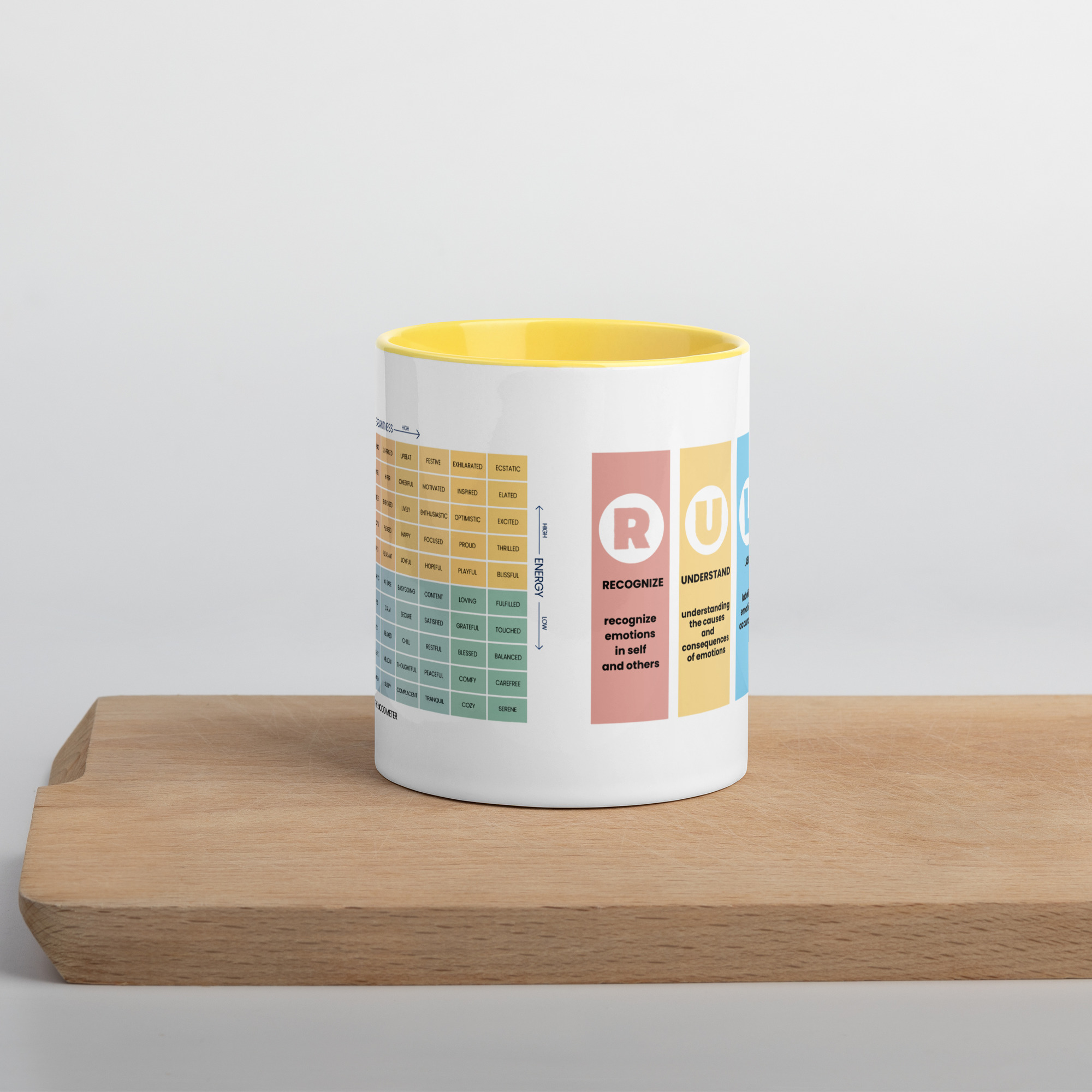
The Mood Meter is a powerful SEL tool designed to help educators recognize and regulate their emotions with greater accuracy. It organizes feelings across four color quadrants based on energy and pleasantness, making emotional awareness simple and visual. With regular use, teachers can identify patterns in their mood, understand why certain situations trigger stress, and select strategies to shift toward more productive emotional states. This daily check-in encourages reflection, builds emotional vocabulary, and improves overall well-being for staff throughout the school day.
SEL Improves Classroom Management
When teachers manage their own emotions well, they model the calm and regulated behavior they want students to learn. SEL helps educators remain steady during conflicts, giving them the ability to respond rather than react. This reduces escalation, improves consistency, and creates a more predictable environment for students. As a result, classrooms become smoother, safer, and more focused on learning.
Supporting Equitable and Inclusive Learning
SEL empowers educators to understand students’ diverse backgrounds, perspectives, and needs. Teachers with strong social awareness show more cultural responsiveness and fairness in their practices. They are better equipped to connect with students who struggle emotionally or behaviorally and to create classrooms where every learner feels respected and valued.
A Foundation for Better Teaching and Learning
Ultimately, SEL supports the entire educational ecosystem. When educators feel emotionally supported, they plan better lessons, engage students more effectively, and build stronger communities within their classrooms. SEL empowers teachers to maintain high expectations while fostering emotional growth, enabling students to develop both academically and personally.
-
-

The Mood Meter & RULER White Glossy Ceramic Mug
Price range: $11.00 through $14.50 -
-
Bubble-Free Stickers – Durable High-Opacity Vinyl for Smooth Application
Price range: $7.50 through $11.00 -

-
The Mood Meter Greeting Card – Premium Paperboard with Envelope
Price range: $7.50 through $9.00