What Is Social-Emotional Learning? A Complete Guide to SEL in Schools
Social-Emotional Learning: The Complete, Evidence-Backed Framework for Schools
Social-Emotional Learning (SEL) is a systematic, research-driven approach that strengthens students’ emotional, social, and academic capabilities. As schools integrate SEL across classrooms, culture, and community partnerships, they create environments where students learn to manage emotions, build meaningful relationships, make responsible decisions, and persist through academic challenges. The result is a more resilient student body and a more supportive, inclusive learning ecosystem.
SEL as a Schoolwide, Systemic Framework
We treat SEL not as a single program but as a comprehensive, schoolwide practice. Effective SEL requires alignment across curriculum, classroom routines, family engagement, and community partnerships. When educators adopt consistent language and shared emotional-intelligence strategies, students experience SEL as part of their daily culture rather than an isolated lesson.
High-quality SEL systems include:
-
Clear emotional vocabulary instruction
-
Daily practices for self-awareness and self-regulation
-
Relationship-building expectations across grade levels
-
Collaborative problem-solving norms
-
Strong family-school communication structures
This creates a coherent environment where emotional and academic learning reinforce one another.
Core SEL Competencies That Drive Student Growth
Self-Awareness. Students develop a grounded understanding of their emotions, strengths, values, and impact on others.
Self-Management. Tools such as goal-setting, emotional regulation, impulse control, and stress management help students navigate daily challenges.
Social Awareness. Learners build empathy, perspective-taking abilities, and respect for diverse cultures and experiences.
Relationship Skills. Students learn communication, conflict resolution, teamwork, and boundary-setting.
Responsible Decision-Making. Learners make ethical, constructive choices about behavior, well-being, and academic responsibilities.
These competencies shape the foundation of lifelong social, emotional, and cognitive success.
How the Mood Meter Supports Emotional Literacy
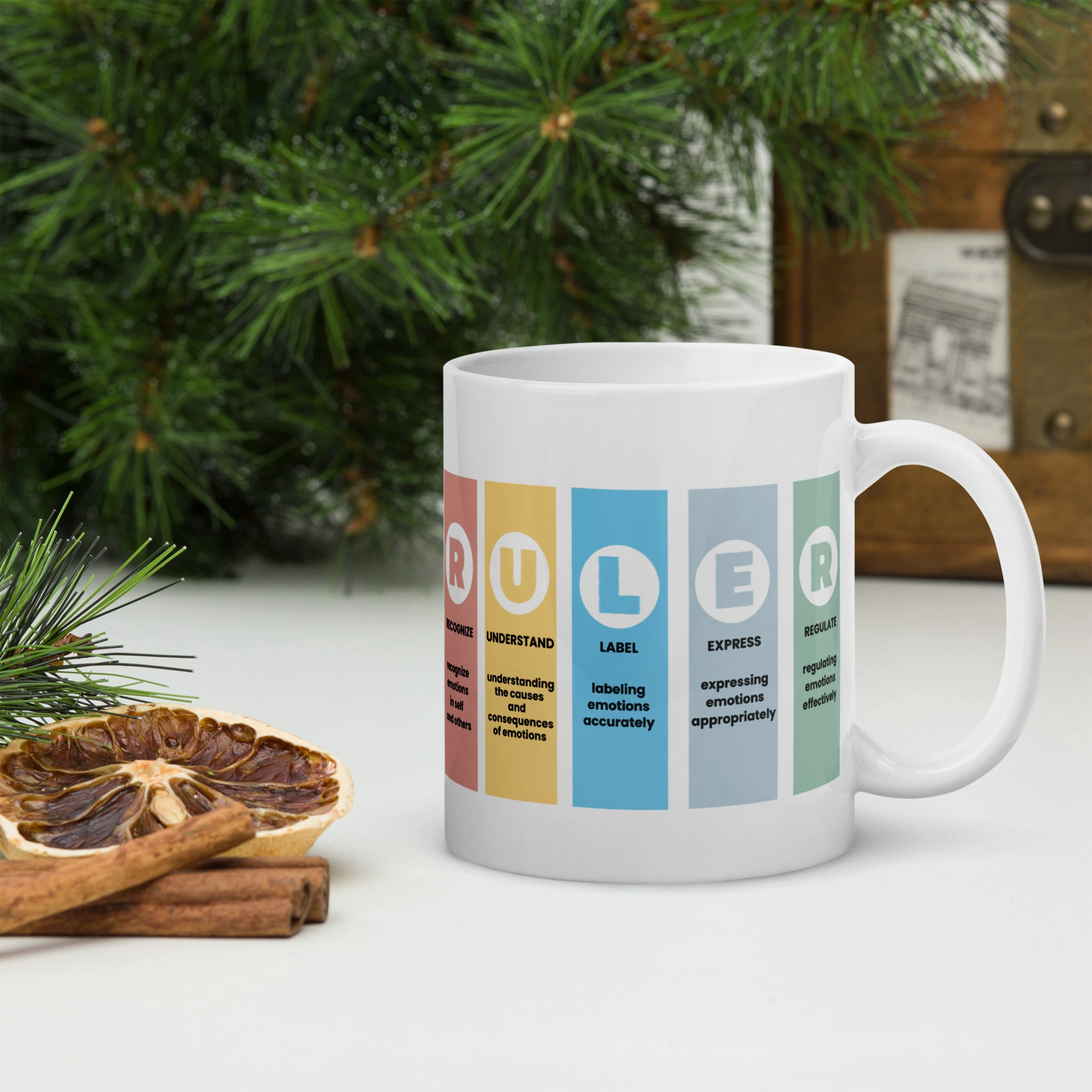
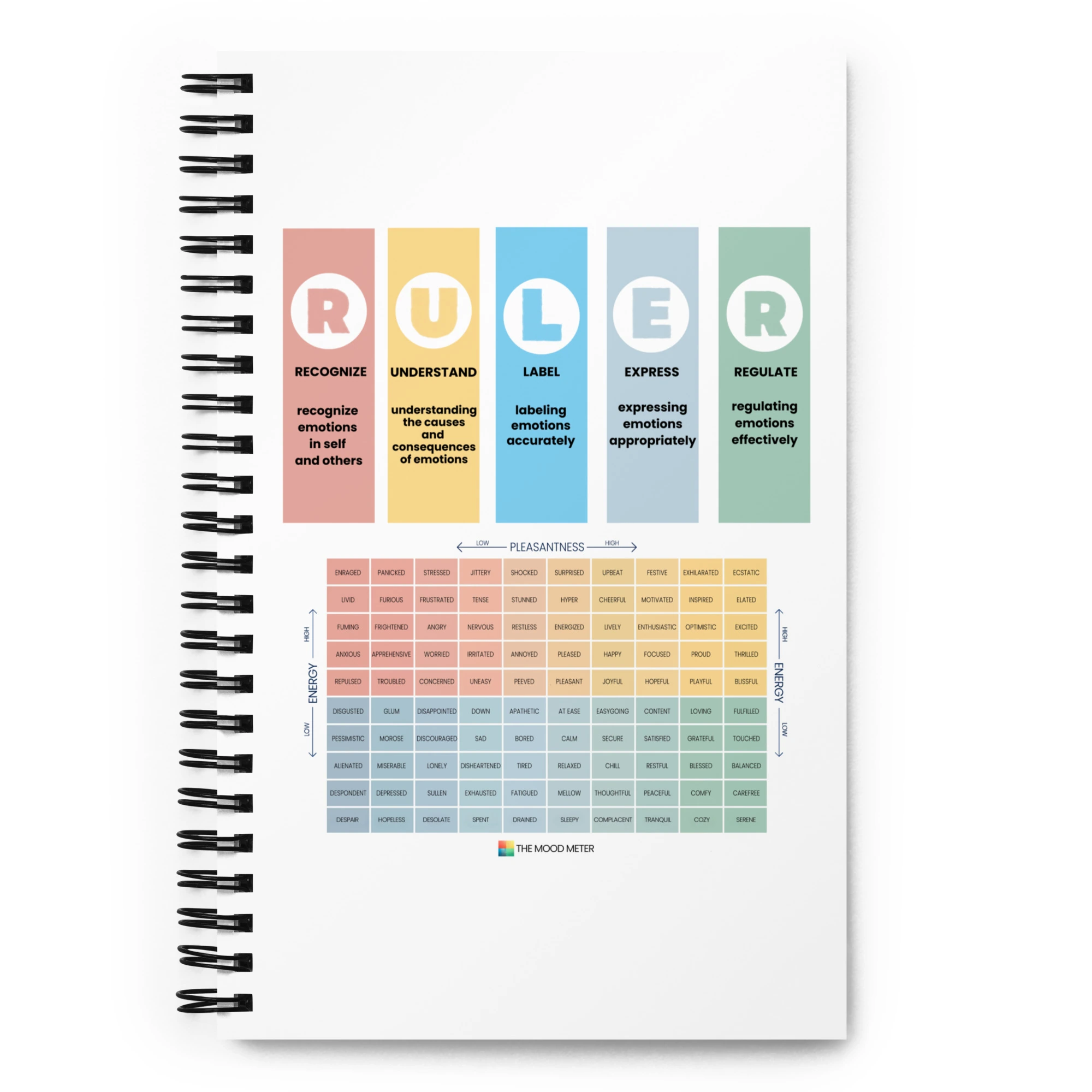
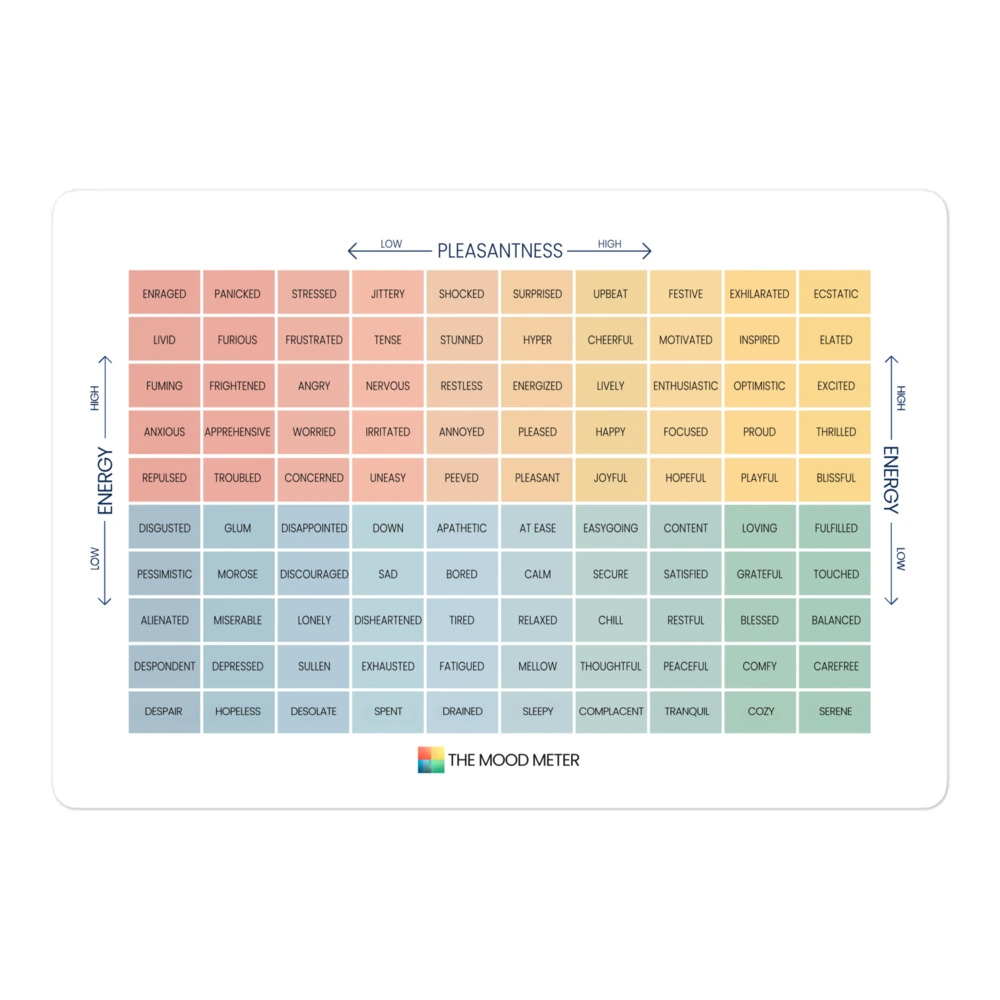
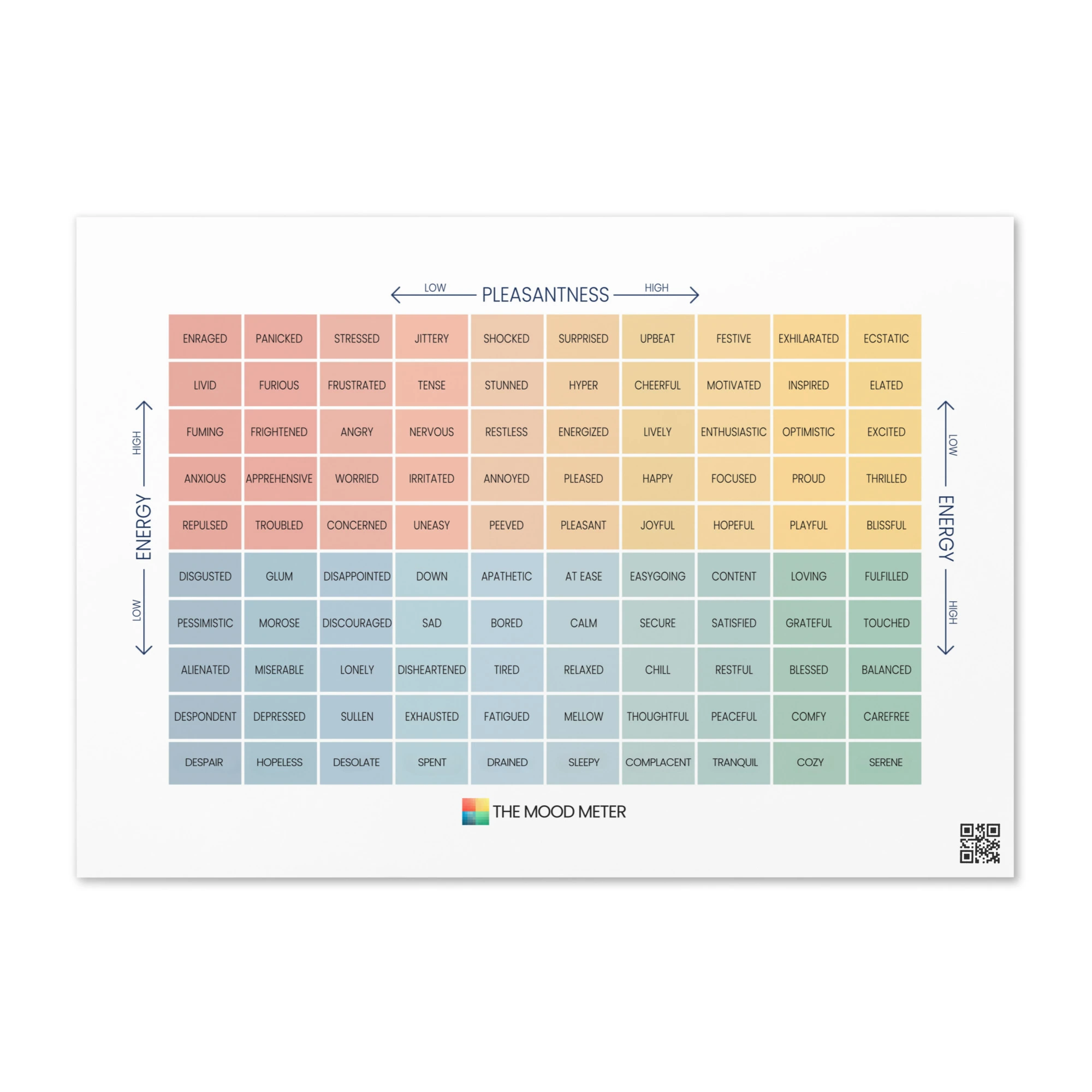
The Mood Meter is a scientifically grounded tool that helps students and educators identify and label their emotions with greater accuracy. By mapping feelings across four color-coded quadrants based on energy and pleasantness, users develop stronger emotional clarity and healthier responses to stress. Daily Mood Meter check-ins encourage reflection, build vocabulary, and support conversations about well-being. Over time, this simple tool strengthens self-awareness, empathy, and classroom emotional balance. To understand how the tool works and why it’s so effective, explore What Is the Mood Meter?
Why SEL Improves Academic Achievement
SEL and academics are deeply interconnected. Students who can regulate stress, collaborate with peers, and stay engaged learn more effectively. Strong SEL programs demonstrate measurable improvements in:
-
Reading and math performance
-
Task persistence and executive functioning
-
Attendance and classroom participation
-
Long-term graduation rates
Schools that embed SEL into instruction create climate conditions that accelerate cognitive learning and reduce emotional barriers to achievement.
Embedding SEL Into Everyday Instruction
We integrate SEL into instructional strategies rather than isolating it as a separate subject. Practical methods include:
-
Emotion check-ins during morning routines
-
Cooperative learning and structured dialogues
-
Restorative approaches to discipline
-
Goal-setting conferences with students
-
Reflective journaling to deepen metacognition
When SEL is embedded in lessons, students build emotional strength at the same time they master academic skills.
To explore simple, effective ways educators can weave SEL into everyday instruction, visit How to Embed SEL Naturally Into Daily Teaching.
Family & Community Partnerships That Strengthen SEL
SEL thrives when families, caregivers, and community partners use the same emotional vocabulary and relationship expectations as the school. We collaborate with families through:
-
Parent workshops on emotional coaching
-
Shared language tools and take-home SEL activities
-
Family check-ins and communication systems
-
Community partnerships that reinforce SEL values
This integrated approach creates consistency between home and school, strengthening students’ emotional growth.
Creating a Supportive, Equitable School Climate
A strong SEL system promotes safety, belonging, and equity. Schools cultivate inclusive climates through:
-
Identity-affirming classroom practices
-
Student-led leadership and voice opportunities
-
Bias-aware communication and restorative practices
-
Accessible support structures for all learners
SEL equips educators to see students fully and respond holistically, ensuring every child feels valued.
Sustainable SEL Implementation: Policies, Coaching & Leadership
Long-term SEL success depends on leadership commitment. Effective implementation includes:
-
Clear district SEL policies
-
Ongoing professional development
-
Data-informed climate assessments
-
Coaching for classroom teachers
-
Continuous improvement cycles
This ensures SEL remains a living, evolving part of the school culture.
SEL Creates Stronger Students, Teachers, and Communities
A systemic SEL framework transforms school culture, strengthens academic outcomes, and equips students with the emotional tools needed for lifelong growth. When schools combine evidence-based strategies with consistent emotional-intelligence practices like the Mood Meter, students thrive socially, emotionally, and intellectually. To learn how educators strengthen these skills school-wide, explore SEL for Educators and School Staff: Building Emotional Skills for Stronger Schools.
-
-

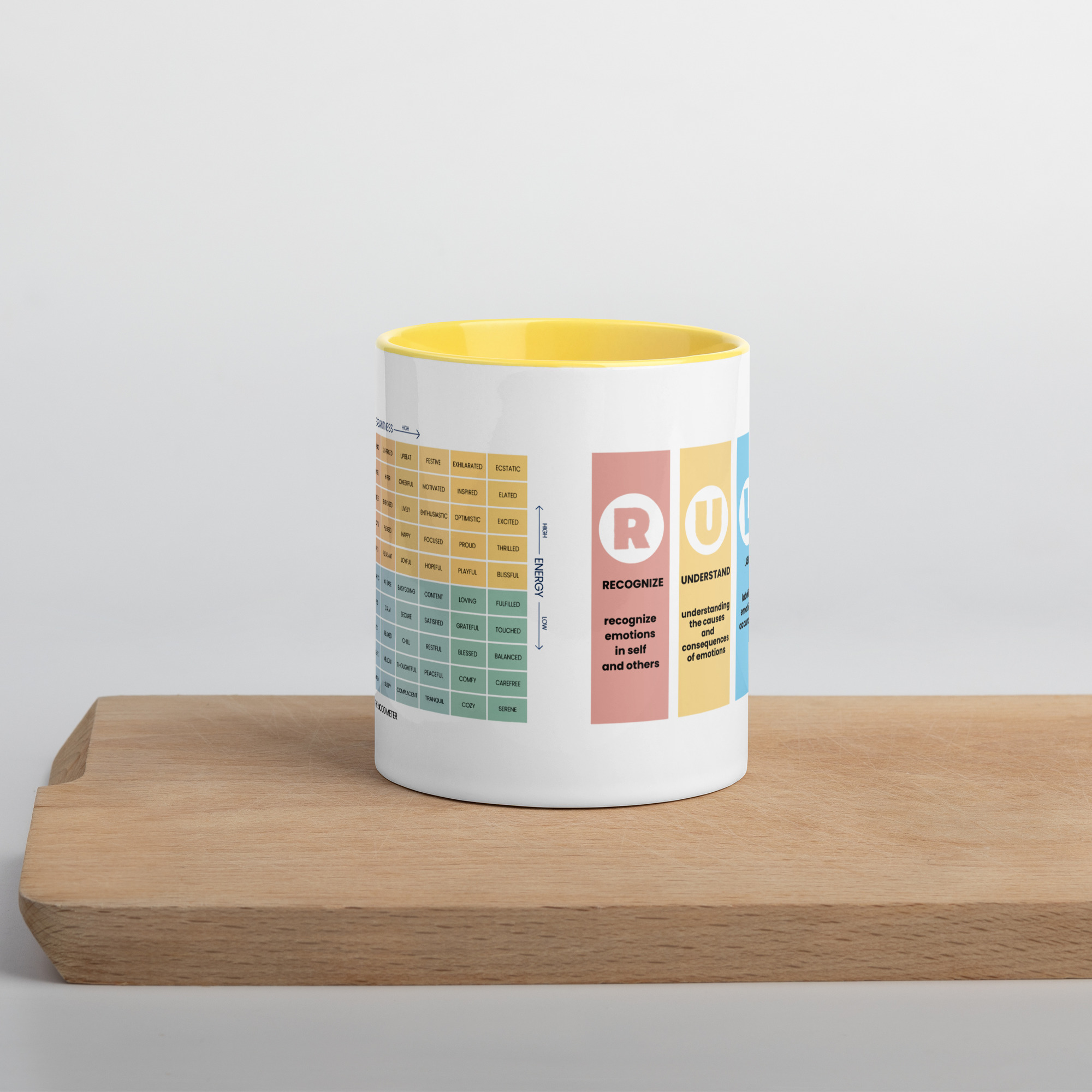
The Mood Meter & RULER White Glossy Ceramic Mug
Price range: $11.00 through $14.50 -
-
Bubble-Free Stickers – Durable High-Opacity Vinyl for Smooth Application
Price range: $7.50 through $11.00 -

-
The Mood Meter Greeting Card – Premium Paperboard with Envelope
Price range: $7.50 through $9.00