The Social and Emotional Dynamics of Learning: How Feelings Shape Success
The Social and Emotional Dynamics of Learning
Learning is not a purely intellectual process. Behind every academic task, every classroom interaction, and every moment of problem-solving lies a rich emotional landscape. The social and emotional dynamics of learning determine how students engage with material, respond to challenges, and collaborate with others. When emotions are understood and supported, learning becomes deeper, more meaningful, and more sustainable. When ignored, even the most gifted learners can struggle with motivation, relationships, and performance.
Emotions as the Foundation of Learning
Emotions drive attention, which is the gateway to all learning. Curiosity, confidence, and excitement open the mind to new information, while fear, frustration, or anxiety can block comprehension before it even begins. A student who feels anxious may miss essential details, while one who feels secure is more likely to take risks, ask questions, and explore complex ideas. Recognizing emotions, rather than pushing them aside, helps students stay present and engaged.
Social Interactions Shape Academic Success
Learning does not happen in isolation. Students learn through conversations, collaboration, and connection. Positive social interactions help build trust, allowing learners to share ideas without fear of judgment. When students feel respected and included, they participate more actively and learn more effectively. On the other hand, negative interactions such as conflict, exclusion, or misunderstanding can create emotional barriers that make learning feel unsafe or overwhelming.
Teachers and caregivers play a vital role in creating emotionally supportive environments. Warm communication, empathy, and active listening help students feel valued, making it easier for them to navigate academic challenges. A strong classroom community fosters cooperation, resilience, and mutual respect.
The Mood Meter: A Tool for Emotional Awareness
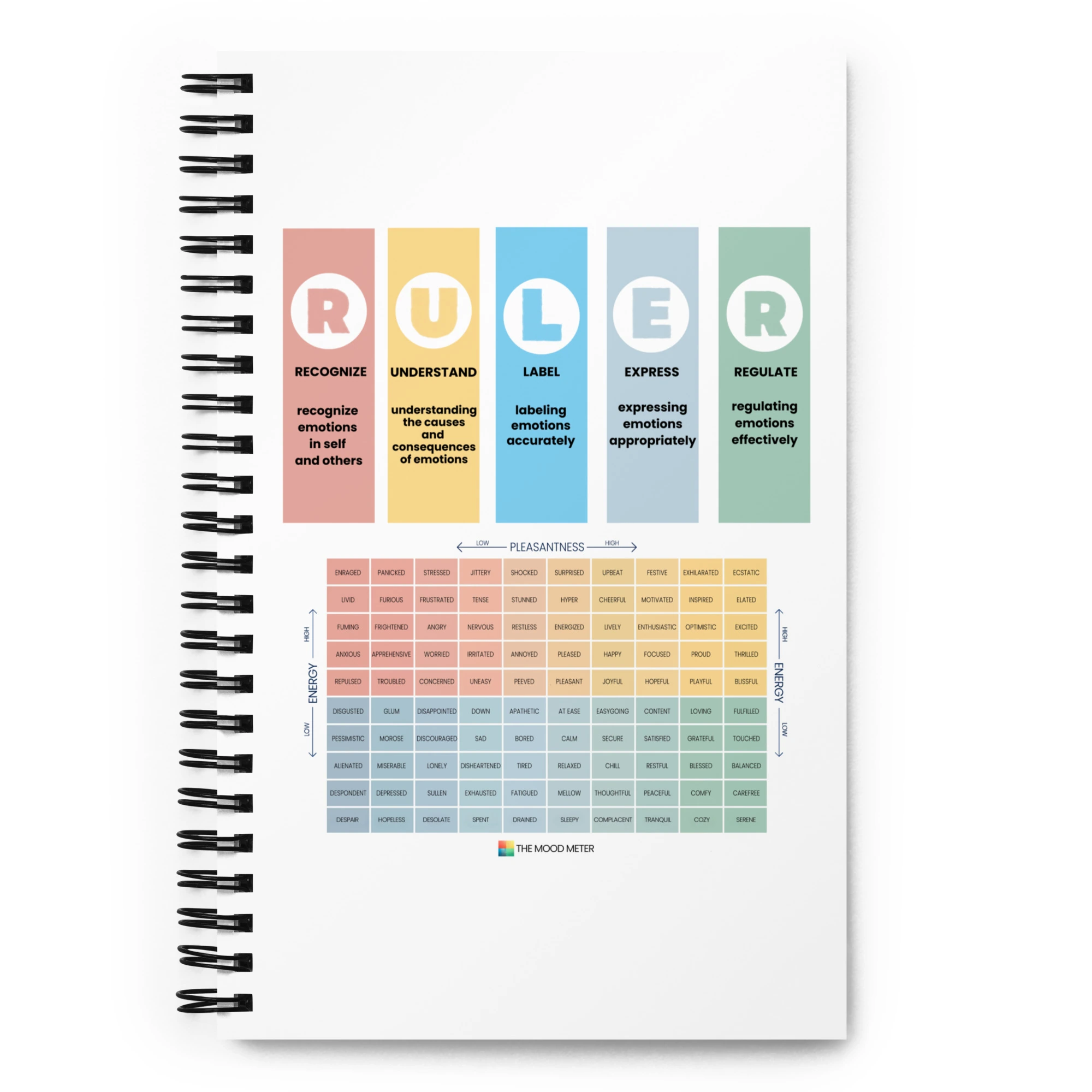
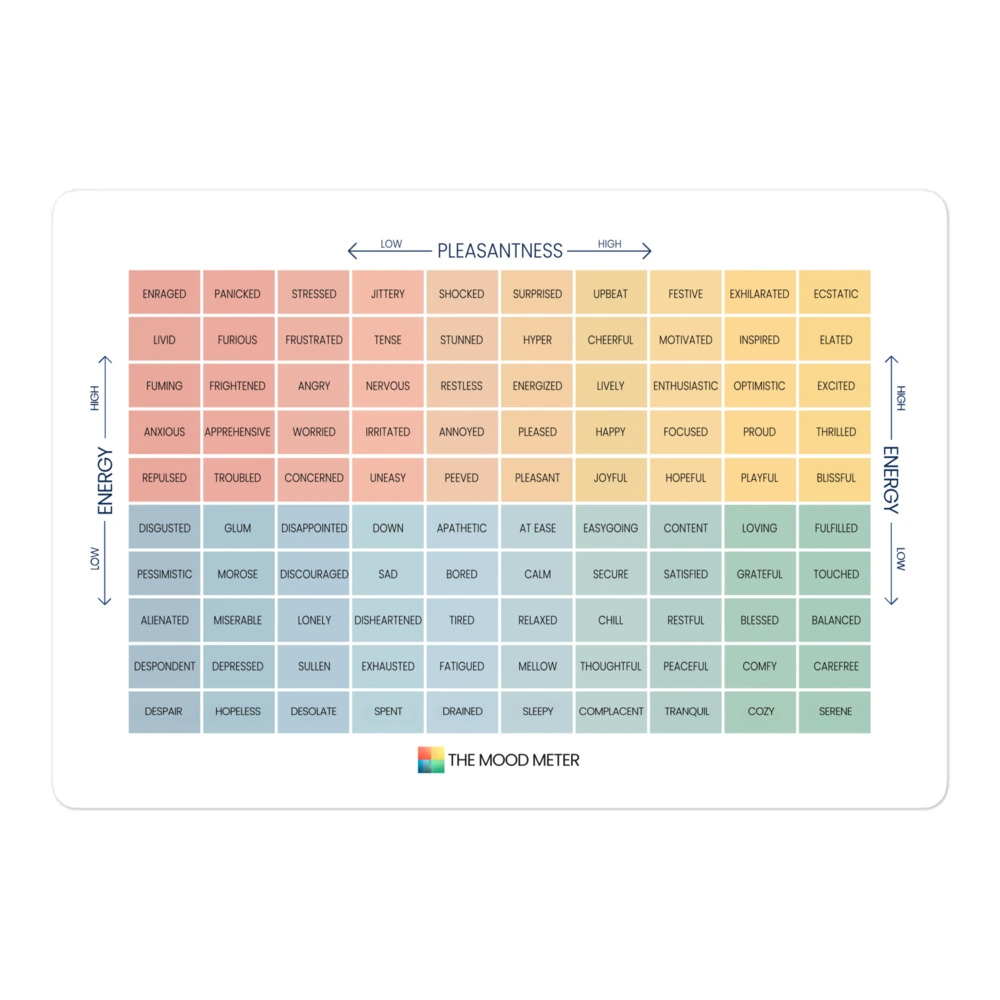
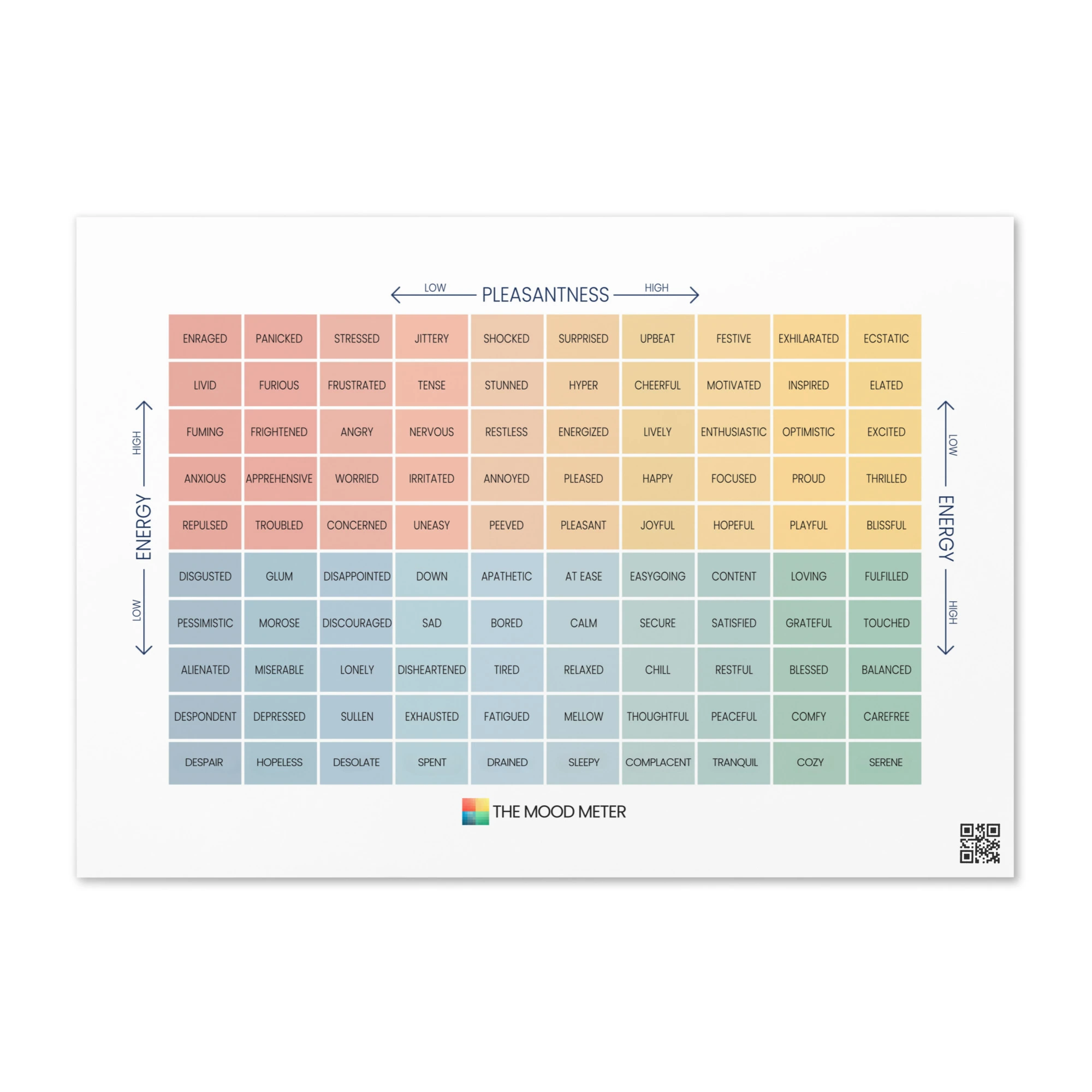
The Mood Meter is a powerful tool that helps individuals understand and manage their emotional states. It organizes emotions into four color-coded quadrants based on energy and pleasantness: Red (high energy, unpleasant), Blue (low energy, unpleasant), Green (low energy, pleasant), and Yellow (high energy, pleasant). By identifying their current emotions on the Mood Meter, students create a moment of reflection that builds self-awareness. This awareness allows them to choose strategies to shift or maintain their state, such as breathing exercises, movement, reframing thoughts, or seeking support. Over time, the Mood Meter strengthens emotional intelligence and supports better learning by helping students navigate both social and academic challenges.
Emotional Regulation Enhances Cognitive Performance
A calm and regulated emotional state allows the brain to operate at its fullest potential. Stress hormones can impair memory, concentration, and decision-making. When students feel emotionally balanced, they can absorb information more effectively and respond to challenges with flexibility and confidence. Emotional regulation skills empower learners to move from overwhelm to clarity, supporting long-term academic success.
Social-Emotional Skills Strengthen Collaboration
Collaboration requires patience, empathy, communication, and an understanding of others’ emotions. Students who possess strong social-emotional skills work more effectively in groups, contribute meaningful ideas, and resolve conflicts with maturity. These skills not only improve classroom performance but also prepare students for future careers where teamwork and communication are essential.
Positive relationships create a ripple effect. When a student feels supported by peers, they are more likely to engage, contribute, and persevere. Social belonging boosts confidence and motivation, making the learning environment more dynamic and productive.
Supporting the Whole Learner
Recognizing the social and emotional dynamics of learning means supporting the whole child, not just academic achievement. It means valuing emotional expression, encouraging reflection, and creating spaces where every student feels heard and understood. When emotional needs are met, cognitive growth follows naturally.
Educators who integrate social-emotional learning practices, such as community circles, open dialogue, and emotional check-ins- create environments where students can thrive academically and personally. Families who reinforce these skills at home strengthen their children’s resilience and confidence.
The social and emotional dynamics of learning shape every aspect of academic life. When students understand their emotions and develop strong relationships, they learn more effectively and experience greater well-being. Tools like the Mood Meter help students navigate their emotional world with clarity and purpose, enhancing focus, collaboration, and resilience. By embracing the emotional side of learning, schools and communities lay the foundation for lifelong success.
-

-

The Mood Meter & RULER White Glossy Ceramic Mug
Price range: $11.00 through $14.50 -
-
Bubble-Free Stickers – Durable High-Opacity Vinyl for Smooth Application
Price range: $7.50 through $11.00 -

-
The Mood Meter Greeting Card – Premium Paperboard with Envelope
Price range: $7.50 through $9.00