The Cost of Emotional Blind Spots at Work
People often focus on technical skills, productivity metrics, and efficiency in the workplace, yet one of the most costly challenges remains largely invisible: emotional blind spots. Emotional blind spots occur when individuals and organizations fail to recognize, understand, or respond to emotions, both their own and those of others. Over time, these blind spots quietly undermine communication, performance, trust, and well-being.
Understanding the cost of emotional blind spots at work is essential for building healthier teams and more effective organizations.
What Are Emotional Blind Spots?
Emotional blind spots are gaps in emotional awareness. They show up when people misread emotional cues, dismiss feelings, or remain unaware of how emotions influence their behavior and decisions.
At work, emotional blind spots may appear as unintentional insensitivity, poor reactions to feedback, or a failure to recognize rising tension within a team. Because emotions are not openly discussed in many workplaces, these blind spots often go unnoticed until problems escalate.
How Emotional Blind Spots Harm Communication
Communication breakdowns are one of the most common consequences of emotional blind spots. When emotions go unrecognized, messages are easily misinterpreted.
For example, stress may come across as anger, or quiet frustration may be mistaken for disengagement. Without emotional awareness, conversations become reactive rather than responsive, leading to misunderstandings, defensiveness, and conflict that could have been avoided.
The Impact on Decision-Making
Emotions influence decision-making, whether they are acknowledged or not. When emotional blind spots exist, decisions are often driven by unexamined stress, fear, or frustration.
This can result in impulsive choices, inconsistent leadership, or overly rigid policies. Leaders who lack emotional awareness may believe they are being purely logical when, in reality, emotions are shaping outcomes behind the scenes.
Emotional Blind Spots and Workplace Relationships
Strong workplace relationships depend on emotional understanding. Emotional blind spots weaken trust because people feel unseen or misunderstood.
When employees believe their emotions are ignored or minimized, they are less likely to share ideas, raise concerns, or collaborate openly. Over time, this erodes psychological safety and damages team cohesion.
Burnout and Disengagement
Unrecognized emotions accumulate. When employees consistently suppress stress, frustration, or overwhelm, burnout becomes more likely.
Emotional blind spots prevent early intervention. Instead of addressing emotional strain proactively, organizations respond only when performance drops or turnover increases. Disengagement often follows when employees feel emotionally disconnected from their work.
Leadership Blind Spots Set the Tone
Leaders play a critical role in shaping emotional culture. When leaders have emotional blind spots, those gaps ripple throughout the organization.
Teams take cues from leadership behavior. If leaders dismiss emotions, avoid difficult conversations, or react unpredictably, employees are more likely to hide their feelings or shut down. Emotionally aware leadership, by contrast, creates clarity, trust, and stability.
Reducing Emotional Blind Spots Through Awareness
The most effective way to reduce emotional blind spots is by strengthening emotional awareness. This begins with noticing emotions as they arise and understanding how they influence communication and behavior.
Regular emotional check-ins, reflective practices, and shared emotional language help individuals and teams surface what might otherwise remain hidden. Awareness transforms emotions from obstacles into valuable sources of information.
Why Emotional Awareness Is a Workplace Skill
Emotional awareness is not a soft skill; it is a functional workplace competency. It improves communication, supports ethical decision-making, and enhances collaboration.
Organizations that invest in emotional awareness experience lower conflict, stronger relationships, and higher engagement. When emotions are acknowledged, they can be regulated and used constructively rather than causing harm beneath the surface.
Making Emotional Awareness Part of Workplace Culture
Addressing emotional blind spots requires more than individual effort; it requires cultural support. When organizations normalize emotional awareness, they create environments where people feel seen, supported, and engaged.
By bringing emotions into awareness rather than leaving them unspoken, workplaces become healthier, more productive, and more resilient. Recognizing emotions is not a distraction from work; it is a foundation for doing work well.
How the Mood Meter Reduces Emotional Blind Spots at Work
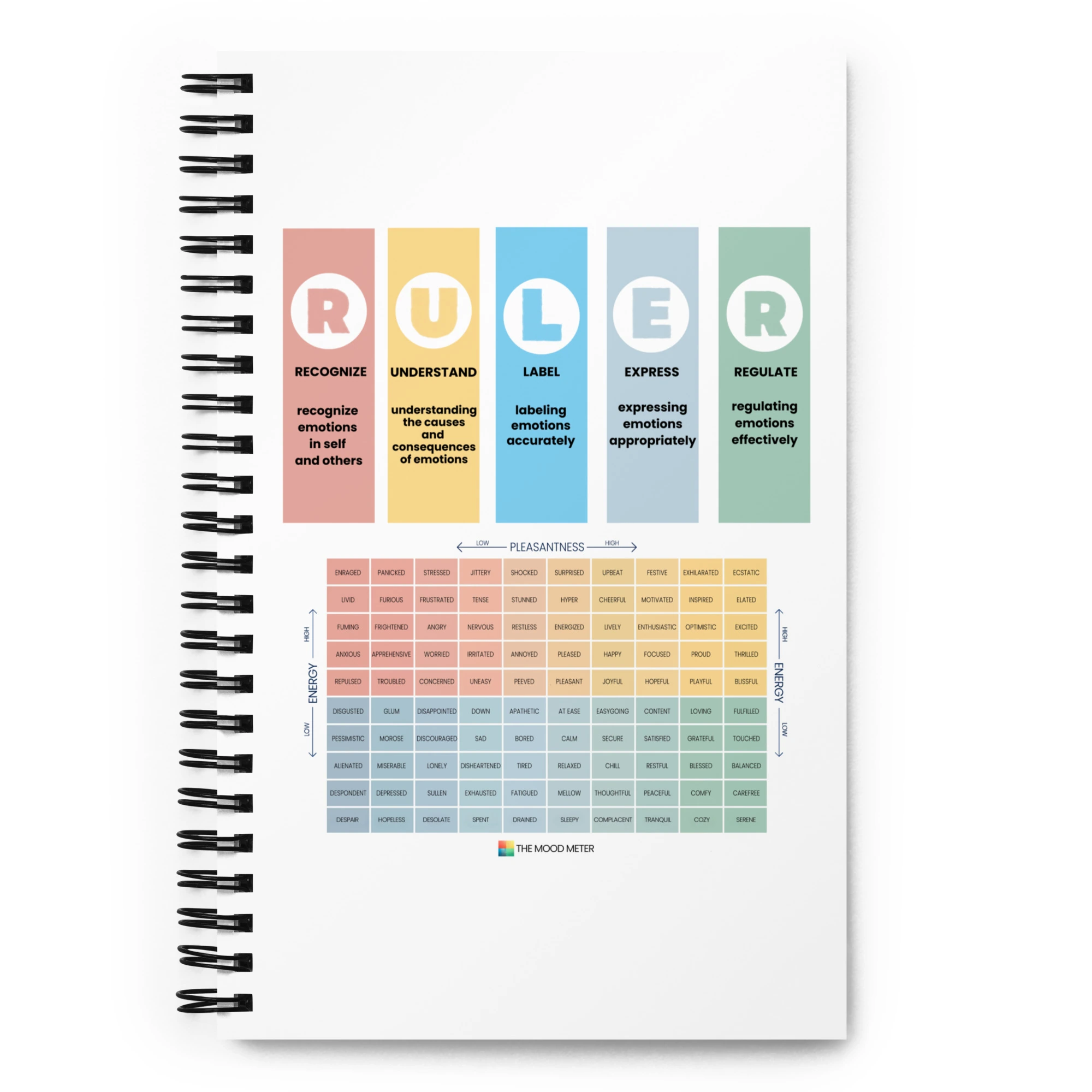
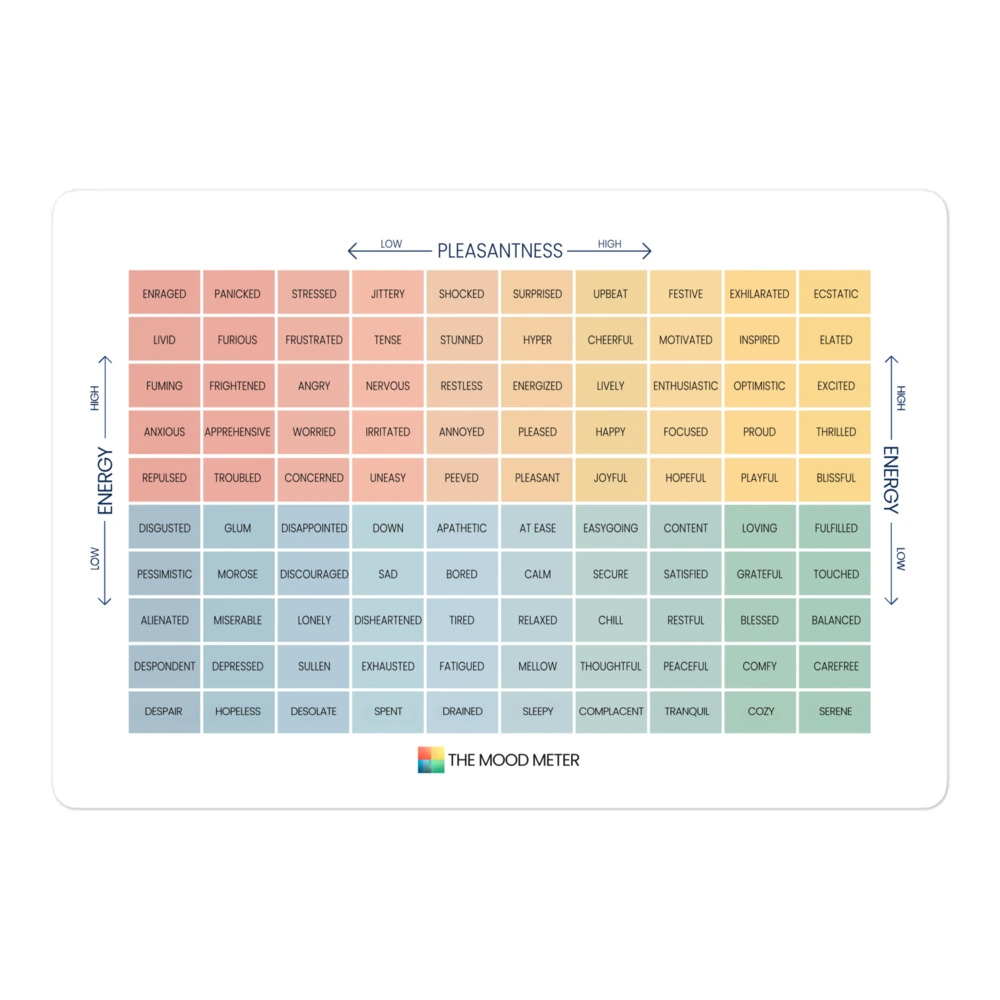
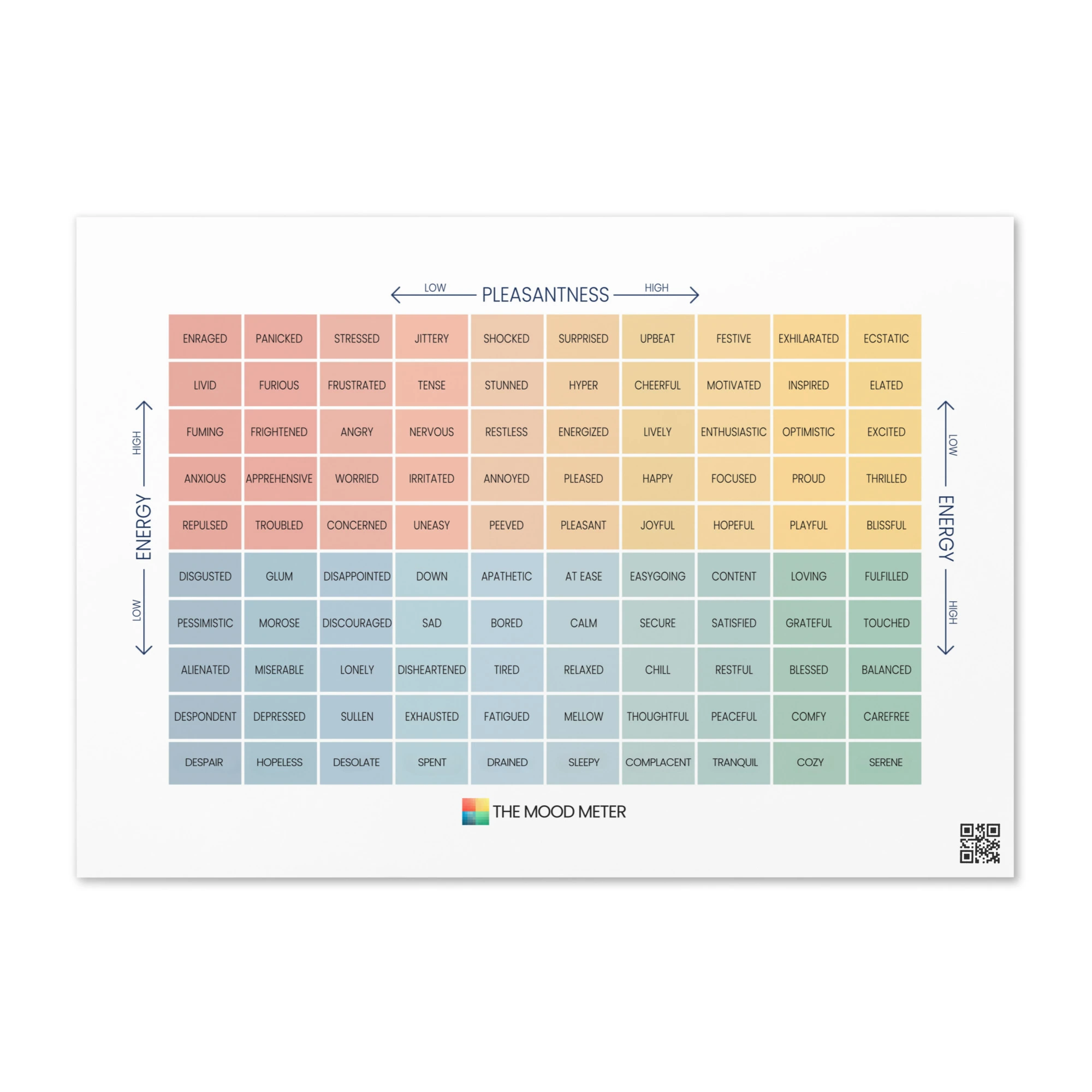
The Mood Meter helps reduce emotional blind spots by giving individuals a structured way to recognize and name emotions based on emotional energy and pleasantness. By using the Mood Meter tool as a shared emotional language, employees and leaders gain insight into how emotions influence behavior, communication, and decision-making. This awareness supports intentional responses, prevents misinterpretation, and strengthens emotional clarity across workplace interactions.
-

-

The Mood Meter & RULER White Glossy Ceramic Mug
Price range: $11.00 through $14.50 -
-
Bubble-Free Stickers – Durable High-Opacity Vinyl for Smooth Application
Price range: $7.50 through $11.00 -

-
The Mood Meter Greeting Card – Premium Paperboard with Envelope
Price range: $7.50 through $9.00