Supporting Learning and Performance: How Emotional Awareness Fuels Success
Learning is more than the transfer of information. It is a profoundly emotional experience that shapes how individuals process new ideas, respond to challenges, and progress in their personal and academic growth. Supporting learning and performance requires recognizing that emotions influence attention, motivation, memory, and overall cognitive function. When learners understand their emotional states and develop the skills to manage them, they become more capable, confident, and resilient.
The Emotional Foundation of Learning
Emotions affect how the brain receives and processes information. Feelings such as curiosity, confidence, and excitement open the mind to learning, while emotions like fear, anxiety, or frustration can quickly shut it down. A student who feels overwhelmed may struggle to focus, while one who feels secure and supported can absorb information more easily. By acknowledging the emotional side of learning, educators and leaders create environments where people feel safe taking risks, asking questions, and engaging fully. Explore SEL as a Foundation for Lifelong Learning.
Motivation and Engagement
Emotional states also influence motivation. Positive emotions boost energy and persistence, making learners more willing to tackle difficult tasks. When individuals feel capable and encouraged, they develop internal motivation that fuels progress. In contrast, negative emotions such as embarrassment, discouragement, or self-doubt weaken motivation and lead to disengagement. Supporting motivation means recognizing emotions early and using strategies that help learners re-center themselves and stay committed to their goals. Read about Enhancing Student Engagement and Motivation Through SEL Strategies.
The Mood Meter: Understanding Emotional States
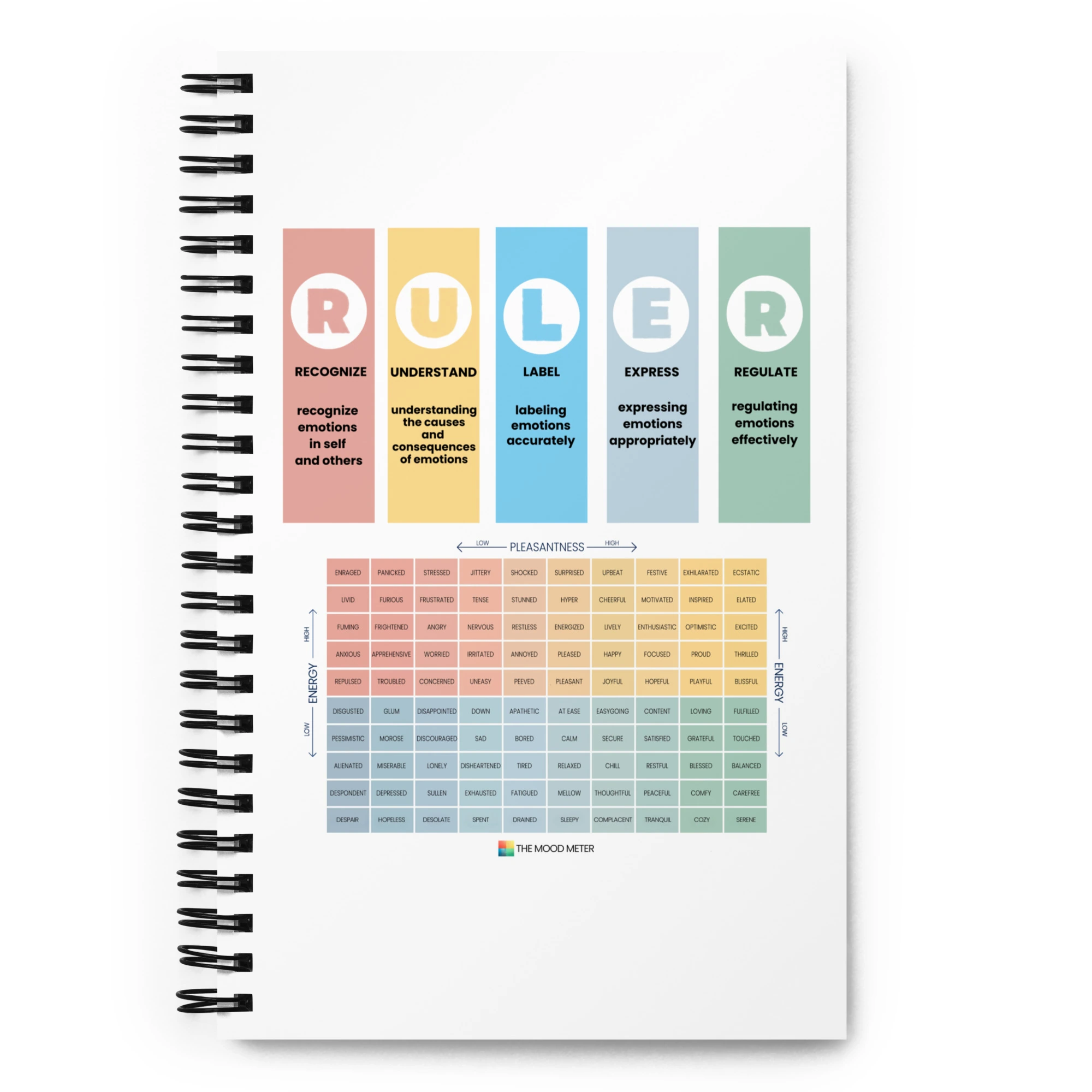
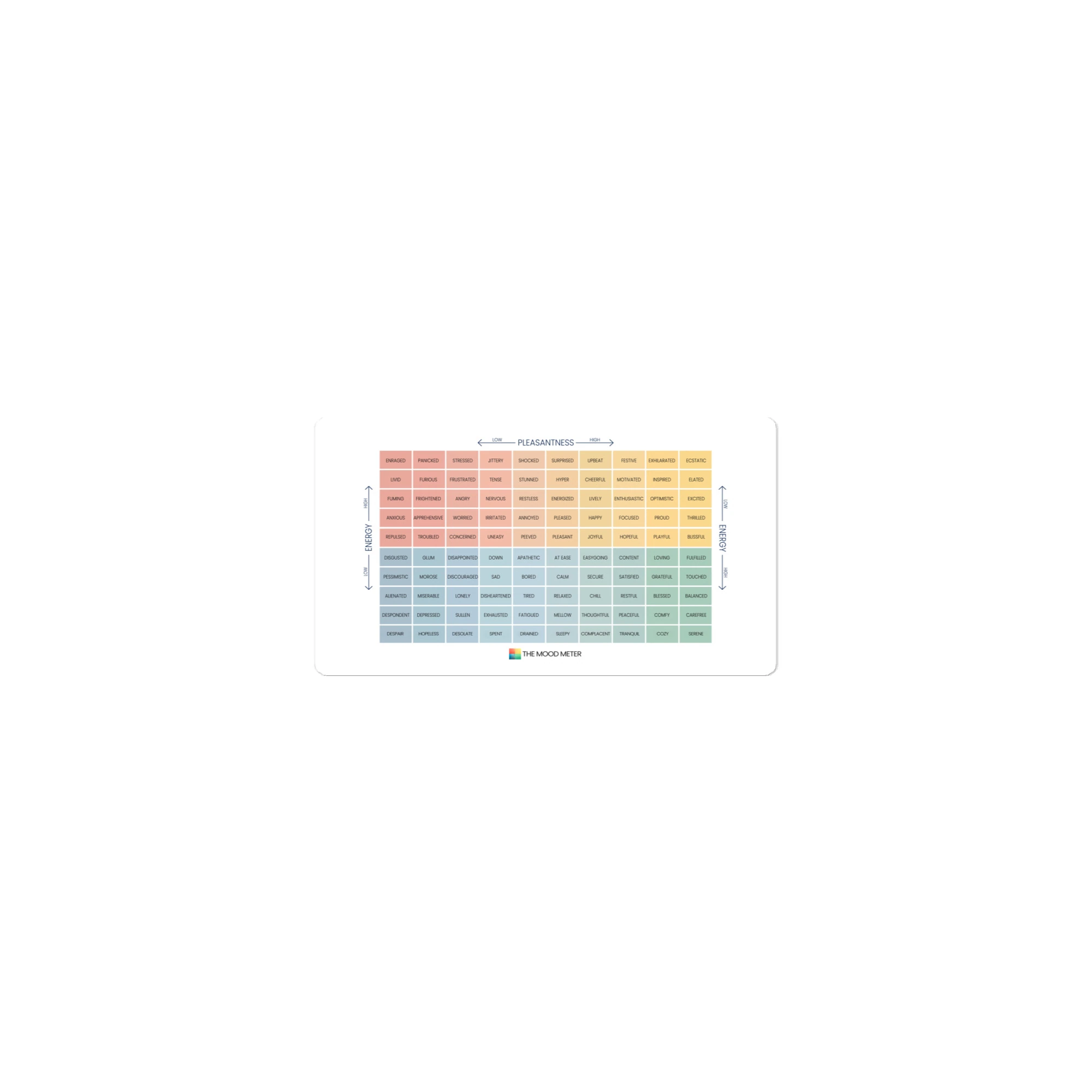
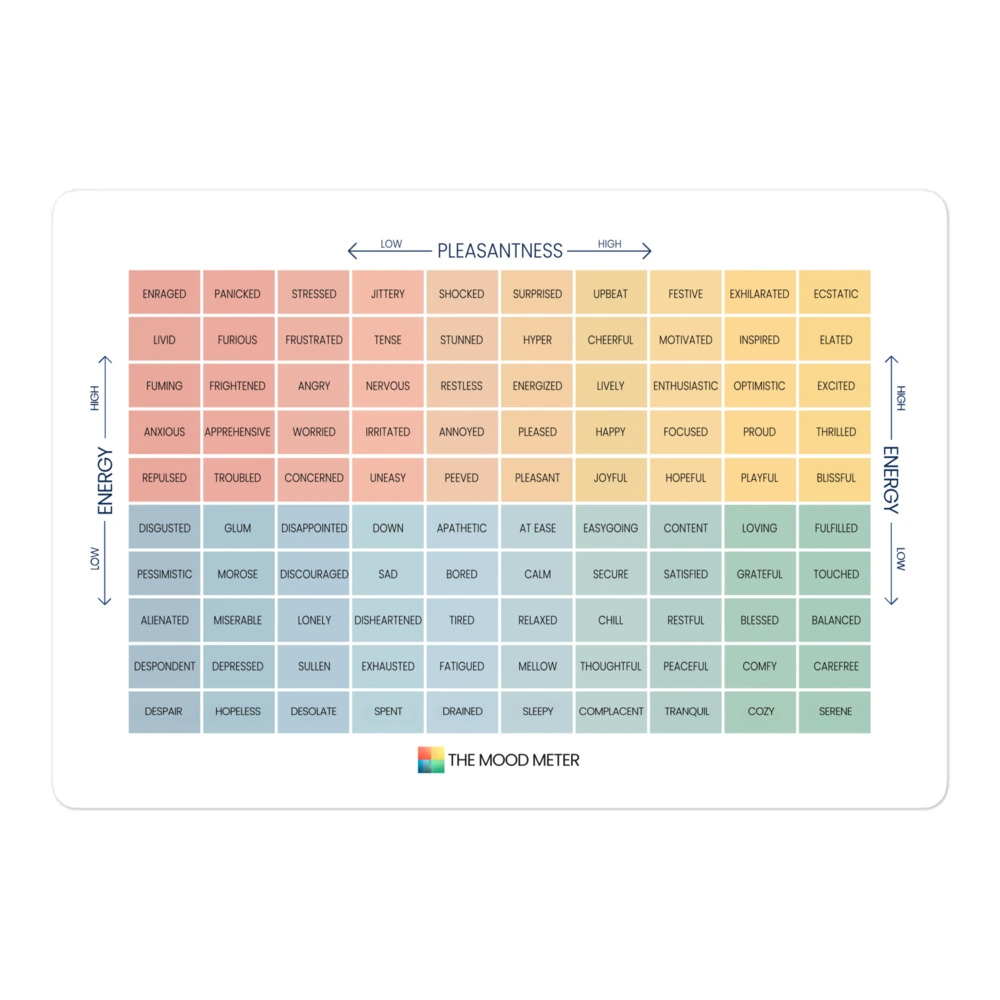
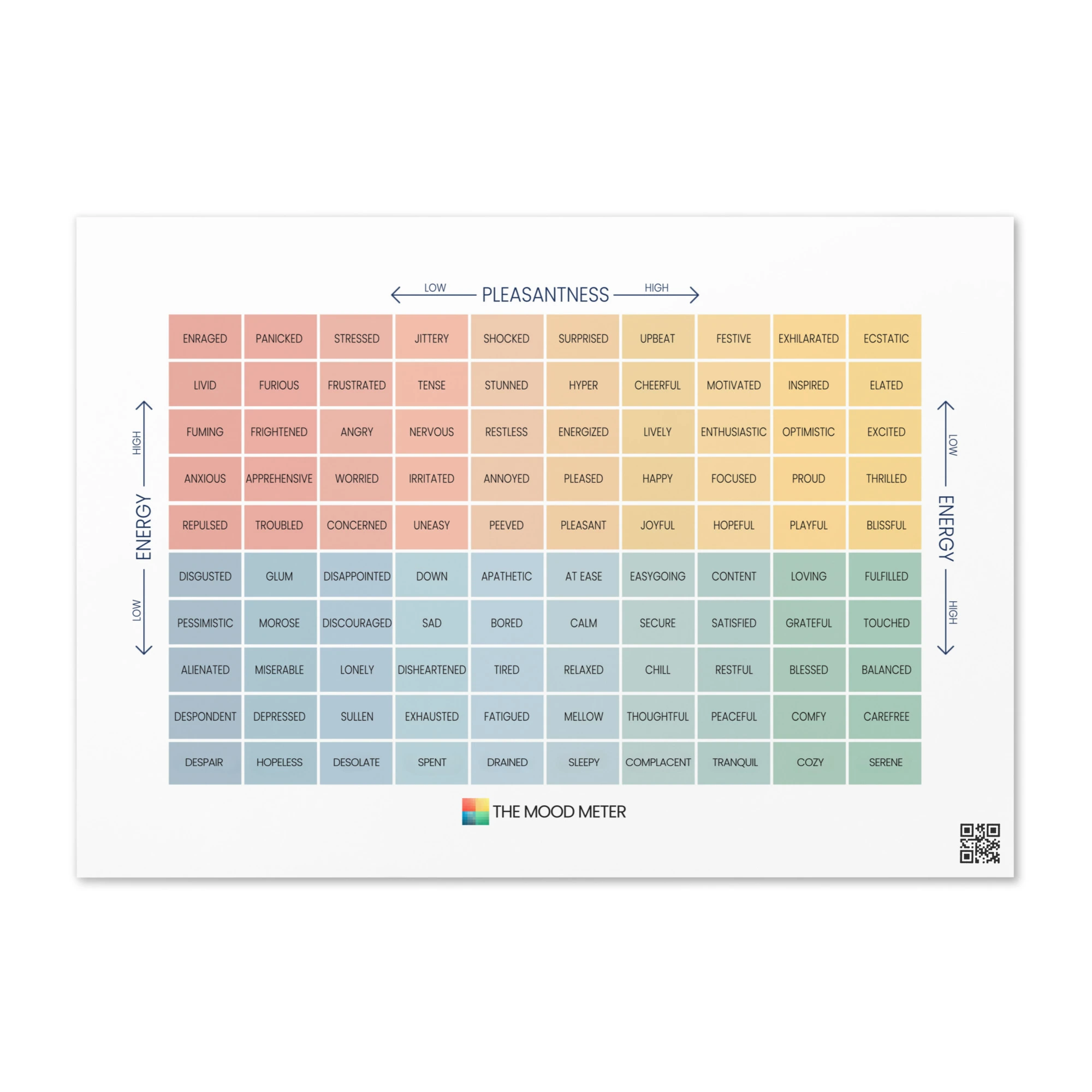
The Mood Meter is a powerful tool designed to help individuals identify, understand, and regulate their feelings. It organizes emotions into four quadrants based on energy and pleasantness: Red (high energy, unpleasant), Blue (low energy, unpleasant), Green (low energy, pleasant), and Yellow (high energy, pleasant). By locating their emotions on the Mood Meter, learners pause to reflect rather than react. This reflection helps them choose effective strategies to shift or maintain their mood, such as deep breathing, movement, reframing thoughts, or adjusting their environment. Regular use of the Mood Meter strengthens emotional intelligence, giving learners the self-awareness and control needed to stay focused and productive. Learn about Using RULER to Navigate Ambiguous Emotional States.
The Role of Stress in Performance
Stress is one of the biggest obstacles to effective learning. When stress levels rise, the brain’s ability to analyze, remember, and problem-solve declines. Emotional regulation techniques can reduce stress and help learners remain calm under pressure. By fostering emotional balance, individuals regain mental clarity, think more creatively, and approach problems with a solution-oriented mindset. This balance is essential not only in academics but also in the workplace, where performance expectations often demand consistent focus and resilience. Understand The Difference between Stress vs. Emotion.
Building Better Relationships for Learning
Strong relationships enhance learning and performance. When learners feel connected to teachers, mentors, or peers, they are more willing to participate and collaborate. Emotional intelligence strengthens communication, reduces conflict, and builds trust. Supportive relationships also create a sense of belonging, which improves engagement and overall well-being. In group settings, emotionally aware individuals work more harmoniously and contribute to a positive learning environment. Check Out Emotion as a Key to Meaningful Learning.
Enhancing Memory and Cognitive Skills
Memory is deeply influenced by emotional state. Calm and positive emotions improve retention, while stress and negative emotions disrupt memory formation. Learners who understand their emotions become better at managing distractions and can approach tasks with greater mental clarity. This improves recall, comprehension, and the ability to apply knowledge in meaningful ways. Over time, emotional awareness leads to stronger cognitive skills, enabling learners to perform at their best. Find Out Why Emotional Skills Support Cognitive Flexibility.
Creating Supportive Learning Environments
Educators, leaders, and families play a crucial role in supporting learning and performance. By modeling emotional intelligence and creating environments grounded in empathy, they help learners feel valued and understood. Supportive environments reduce anxiety, encourage open communication, and allow learners to take ownership of their emotions. This leads to greater confidence, improved focus, and a willingness to persevere through challenges. Discover more about Creating a Supportive Learning Environment.
Supporting learning and performance requires more than academic instruction. It calls for emotional awareness, self-regulation, and environments that promote well-being. Tools like the Mood Meter empower individuals to understand and manage their emotions, enabling them to learn more effectively and perform with confidence. When emotions and learning work together, learners experience not only higher achievement but also greater fulfillment and long-term success.
-

-

The Mood Meter & RULER White Glossy Ceramic Mug
Price range: $11.00 through $14.50 -
-
Bubble-Free Stickers – Durable High-Opacity Vinyl for Smooth Application
Price range: $7.50 through $11.00 -

-
The Mood Meter Greeting Card – Premium Paperboard with Envelope
Price range: $7.50 through $9.00