SEL for Educators and School Staff: Building Emotional Skills for Stronger Schools
SEL for Educators and School Staff
Social and Emotional Learning (SEL) is often discussed through the lens of student development, but its impact on educators and school staff is just as significant. When adults strengthen their SEL competencies, they create healthier classrooms, model emotional maturity, reduce burnout, and support a stronger school culture. SEL equips teachers, administrators, counselors, and support staff with the emotional tools they need to navigate daily challenges while sustaining meaningful, student-centered relationships.
Why SEL Matters for Educators
Educators face unique emotional demands: constant decision-making, classroom management, parent communication, time pressure, and the responsibility of supporting diverse learners. SEL provides the foundation for managing these demands with clarity and resilience. Through practices like emotional awareness, stress management, and reflective decision-making, teachers improve their overall well-being and effectiveness. Higher SEL competency among staff leads to fewer emotional conflicts, calmer classrooms, and better academic outcomes for students. To understand why these skills matter so deeply, explore Why SEL Is Essential for Educators: Benefits, Well-Being, and Classroom Impact.
Core SEL Skills Educators Need
Strong adult SEL includes self-awareness, emotional regulation, empathy, communication, and responsible decision-making. Teachers who develop these skills respond to challenging behavior more effectively and foster deeper trust with students. Self-awareness helps educators recognize personal triggers, while self-management supports patience, calmness, and consistent expectations. Social awareness and relationship-building skills strengthen collaboration with colleagues, families, and school leaders.
SEL’s Impact on Teacher Well-Being
Educators with strong SEL skills report reduced stress and lower burnout rates. They feel more confident handling classroom disruptions, more capable during high-stakes situations, and more connected to the communities they serve. SEL routines, such as reflective journaling, mood check-ins, structured peer support, and mindfulness practices, help educators maintain balance throughout the school day.
The Mood Meter: A Practical Tool for Staff Emotional Awareness
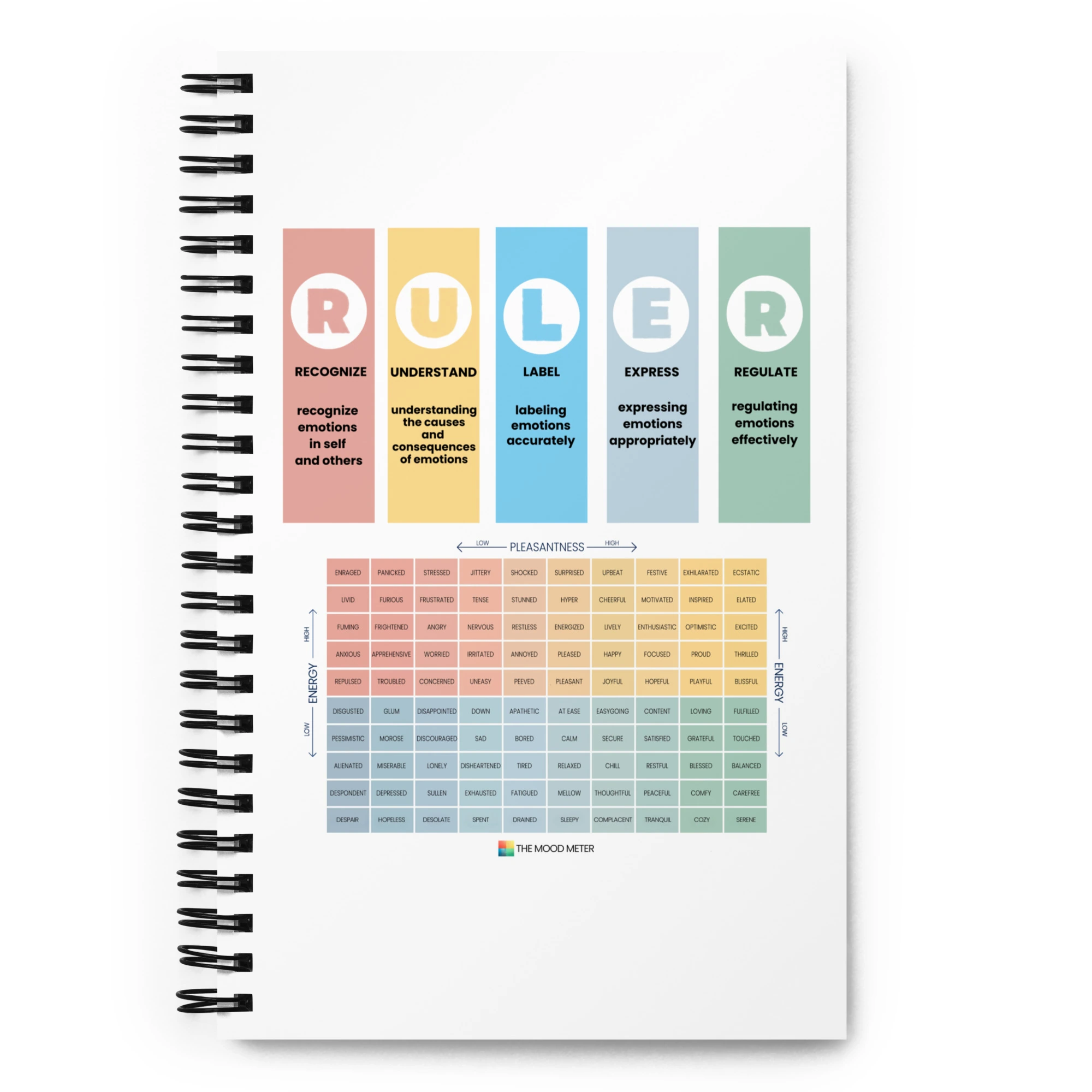
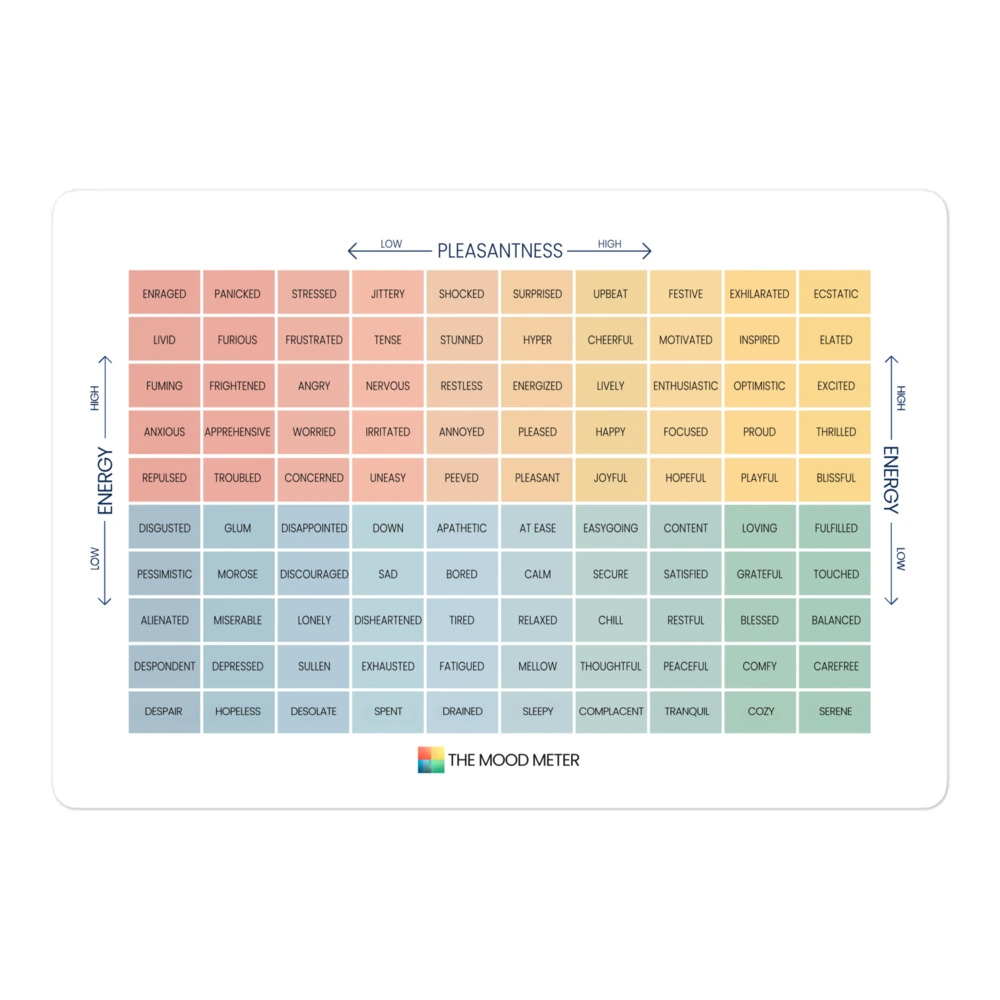
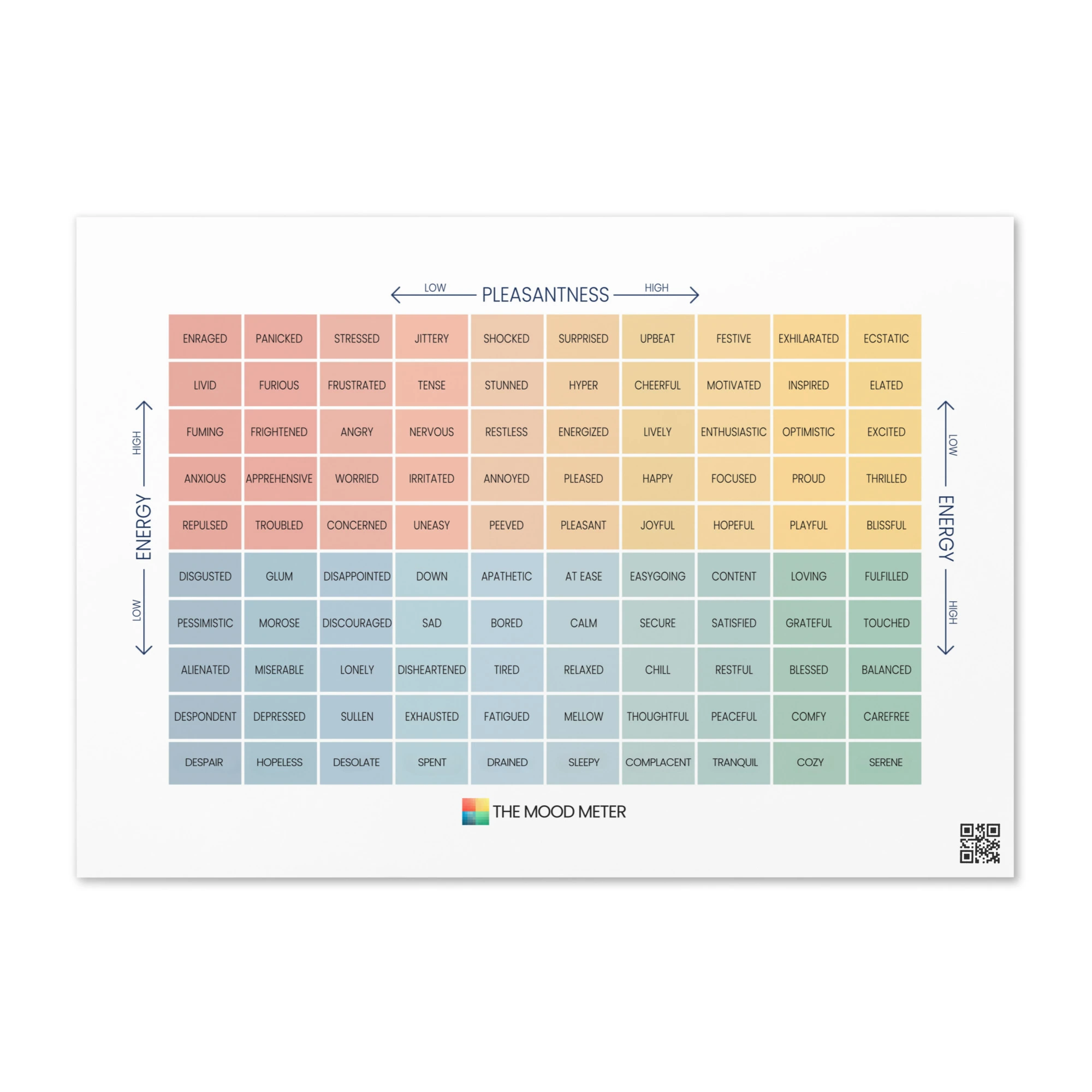
The Mood Meter is a research-based tool that helps educators label, understand, and regulate their emotions with greater accuracy. It uses four quadrants based on energy and pleasantness to map how someone feels at any given moment. Through regular check-ins, staff become more aware of emotional patterns, triggers, and shifts throughout the day. This process builds a common emotional vocabulary, supports healthier interactions, and encourages educators to choose strategies that help them shift to more productive emotional states when needed. To learn more about how the tool works, explore What Is the Mood Meter?.
SEL’s Role in Strengthening School Culture
When educators consistently model SEL practices, the effects ripple across the entire school. Classrooms become calmer, communication becomes clearer, and relationships grow stronger. Staff teams collaborate more efficiently, handle conflict with constructive dialogue, and maintain shared expectations. Schools that implement SEL at the staff level experience higher job satisfaction and more consistent instructional quality.
Professional Development for Staff SEL
Sustainable SEL implementation requires well-designed training and ongoing support. Workshops, coaching sessions, and structured reflection activities help staff practice SEL strategies in real contexts. Administrators play a key role in promoting adult SEL by prioritizing wellness programs, providing time for reflective practices, and integrating SEL into professional learning communities.
Family and Community Connections
SEL-trained educators strengthen relationships with families by communicating empathically and clearly. They model emotional intelligence during conversations about student progress, behavior, and well-being. Community partnerships also enhance SEL by providing resources, mental-health supports, and culturally responsive programming that aligns with school needs.
Building an SEL-Driven School Environment
A truly SEL-centered school integrates emotional learning into policies, classroom routines, discipline approaches, and daily interactions. Educators become role models for regulation, empathy, and resilience. As adult SEL grows stronger, students thrive academically, socially, and emotionally, creating a positive cycle that benefits the entire learning community.
-

-

The Mood Meter & RULER White Glossy Ceramic Mug
Price range: $11.00 through $14.50 -
-
Bubble-Free Stickers – Durable High-Opacity Vinyl for Smooth Application
Price range: $7.50 through $11.00 -

-
The Mood Meter Greeting Card – Premium Paperboard with Envelope
Price range: $7.50 through $9.00