Learning to Sit With Uncomfortable Emotions
Uncomfortable emotions are an inevitable part of being human. Feelings like sadness, frustration, fear, guilt, or disappointment often arise when expectations are unmet or challenges occur. While the instinct is to avoid these emotions, learning to sit with them is a vital emotional skill. Doing so builds resilience, emotional awareness, and long-term well-being.
Why Discomfort Triggers Avoidance
Uncomfortable emotions activate the body’s stress response. The brain perceives discomfort as something that must be fixed or escaped.
This leads to avoidance behaviors such as distraction, suppression, or denial. While these strategies may offer short-term relief, they often intensify emotions over time rather than resolve them. Discover How to Regulate Emotions Without Avoidance.
Sitting With Emotions Is Not Giving Up
Allowing emotions to exist does not mean accepting harmful situations or abandoning problem-solving. Sitting with emotions means acknowledging feelings without rushing to change them.
This practice builds emotional tolerance. Over time, individuals learn that discomfort is temporary and manageable, reducing fear of emotional experiences.
Awareness Creates Emotional Space
The first step in sitting with emotions is awareness. Noticing physical sensations, thoughts, and emotional labels creates space between the individual and the emotion.
Naming emotions such as “anxious,” “disappointed,” or “overwhelmed” reduces their intensity. Awareness transforms emotions from threats into experiences that can be observed. Learn about Teaching Emotional Understanding Before Emotional Control.
The Role of Breath and Stillness
Breathing and stillness support emotional presence. Slow, intentional breathing signals safety to the nervous system.
Stillness allows emotions to rise and fall naturally. This process teaches that emotions are not permanent states, even when they feel intense.
Letting Go of Immediate Fixes
Modern culture often encourages quick fixes for emotional discomfort. However, immediately trying to fix emotions can reinforce the belief that they are dangerous.
Learning to pause before acting allows emotions to complete their natural cycle. Regulation becomes about presence rather than control.
Building Emotional Resilience Over Time
Each time individuals sit with discomfort, they strengthen emotional resilience. The ability to remain present during difficult emotions increases confidence and self-trust.
This resilience supports better decision-making, stronger relationships, and healthier coping strategies. Explore How to Build Emotional Resilience During Change.
Teaching Children to Tolerate Discomfort
Children often need guidance to sit with uncomfortable emotions. Adults can model emotional presence by acknowledging feelings and remaining calm.
Phrases like “It’s okay to feel this way” help children learn that emotions are safe. Over time, children develop greater emotional regulation skills. Read about Helping Children Understand Mixed Emotions.
Sitting With Emotions Improves Relationships
When individuals can tolerate discomfort, they are less likely to react defensively or withdraw during emotional moments.
This skill supports empathy and understanding, improving communication and connection within relationships. Find Out How Emotional Expression Improves Relationships.
Growth Happens in Emotional Presence
Uncomfortable emotions often signal growth, change, or unmet needs. Sitting with them allows insights to emerge.
Rather than avoiding discomfort, emotional presence opens the door to learning and emotional development.
How the Mood Meter Supports Emotional Presence
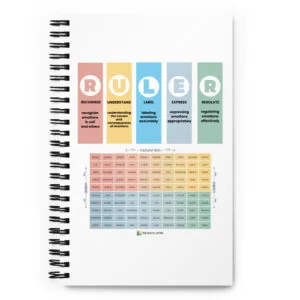
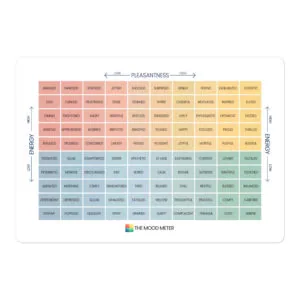
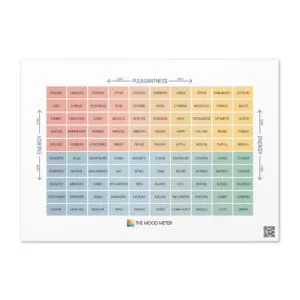
The Mood Meter helps individuals sit with uncomfortable emotions by providing language to identify feelings accurately. By recognizing emotional energy and pleasantness, individuals gain clarity without judgment. Check Out Mood Meter Guide of Recognizing and Managing Emotions.
This awareness encourages acceptance and thoughtful regulation, supporting emotional resilience over time.
-
-

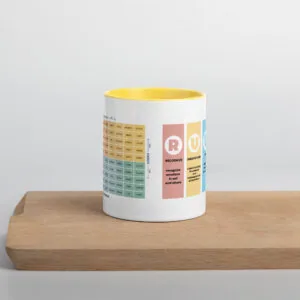
The Mood Meter & RULER White Glossy Ceramic Mug
Price range: $11.00 through $14.50 -
-
Bubble-Free Stickers – Durable High-Opacity Vinyl for Smooth Application
Price range: $11.50 through $27.00 -

-
The Mood Meter Greeting Card – Premium Paperboard with Envelope
Price range: $11.50 through $16.50