How to Embed SEL Naturally Into Daily Teaching
Embedding SEL Into Everyday Instruction
Embedding Social and Emotional Learning (SEL) into everyday instruction allows students to grow academically, emotionally, and socially in a consistent and meaningful way. Rather than reserving SEL for isolated lessons, weaving it into classroom routines helps students build lifelong emotional skills naturally throughout the school day.
Why SEL Must Be Part of Daily Teaching
When SEL becomes a part of normal classroom life, students learn to recognize emotions, communicate effectively, and solve problems more thoughtfully. These daily moments shape the classroom climate, improve student focus, and reduce behavioral challenges. SEL-rich environments create a sense of belonging, helping students feel safe enough to participate, take risks, and build confidence.
Modeling SEL Through Teacher Behavior
Teachers set the emotional tone of the classroom. When educators demonstrate calmness, empathy, patience, and respectful communication, students learn to mirror these behaviors. Modeling becomes a powerful instructional tool, helping students understand emotional regulation not through lectures but through everyday interactions.
Using Emotional Check-Ins
Daily emotional check-ins are one of the simplest ways to integrate SEL into instruction. By asking students how they are feeling at the start of class or before a transition, teachers help them identify and label emotions. This builds self-awareness and encourages students to express themselves openly. Over time, students become more comfortable sharing their feelings and managing emotional challenges.
Integrating SEL Into Academic Lessons
Academic content naturally offers opportunities to deepen SEL. While reading stories or discussing historical events, teachers can ask reflective questions such as:
“How do you think this character felt in this moment?”
“What would be a responsible choice in this situation?”
“How could this conflict have been resolved respectfully?”
These questions help students connect emotions and behaviors to real-life situations, strengthening empathy and decision-making.
Promoting Collaboration and Teamwork
Group activities provide daily opportunities to practice relationship skills. When students collaborate on projects, they learn to communicate clearly, negotiate roles, listen actively, and respect different perspectives. Teachers can guide students by establishing norms such as kindness, fairness, and listening without interrupting.
Supporting SEL With the Mood Meter
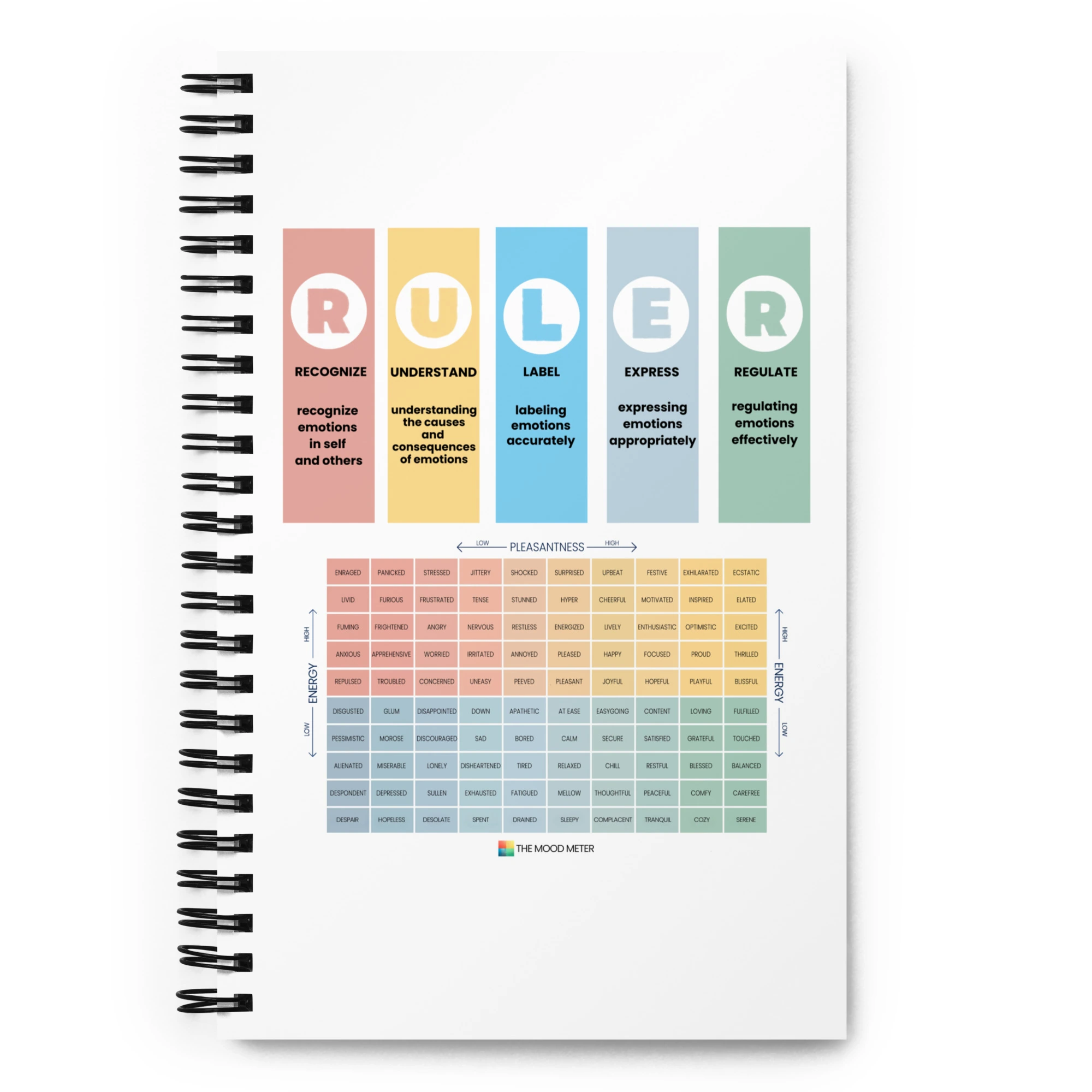
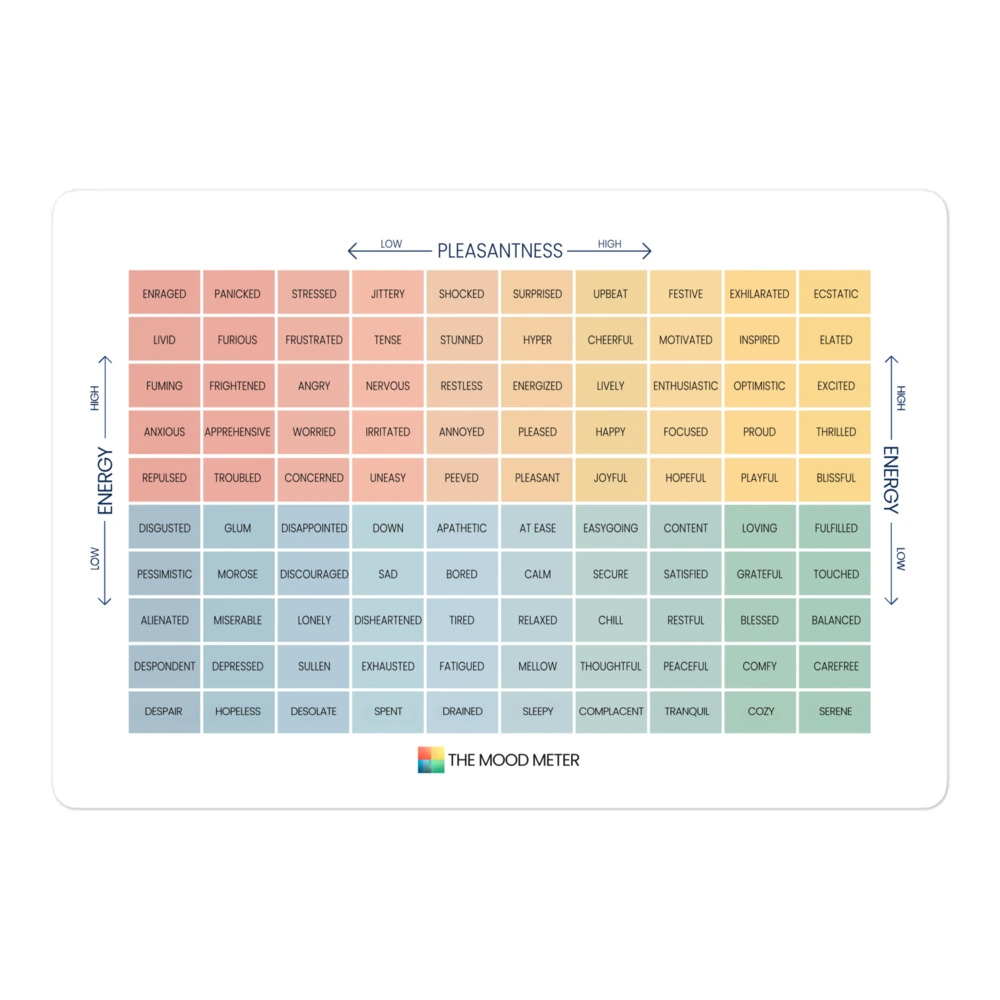
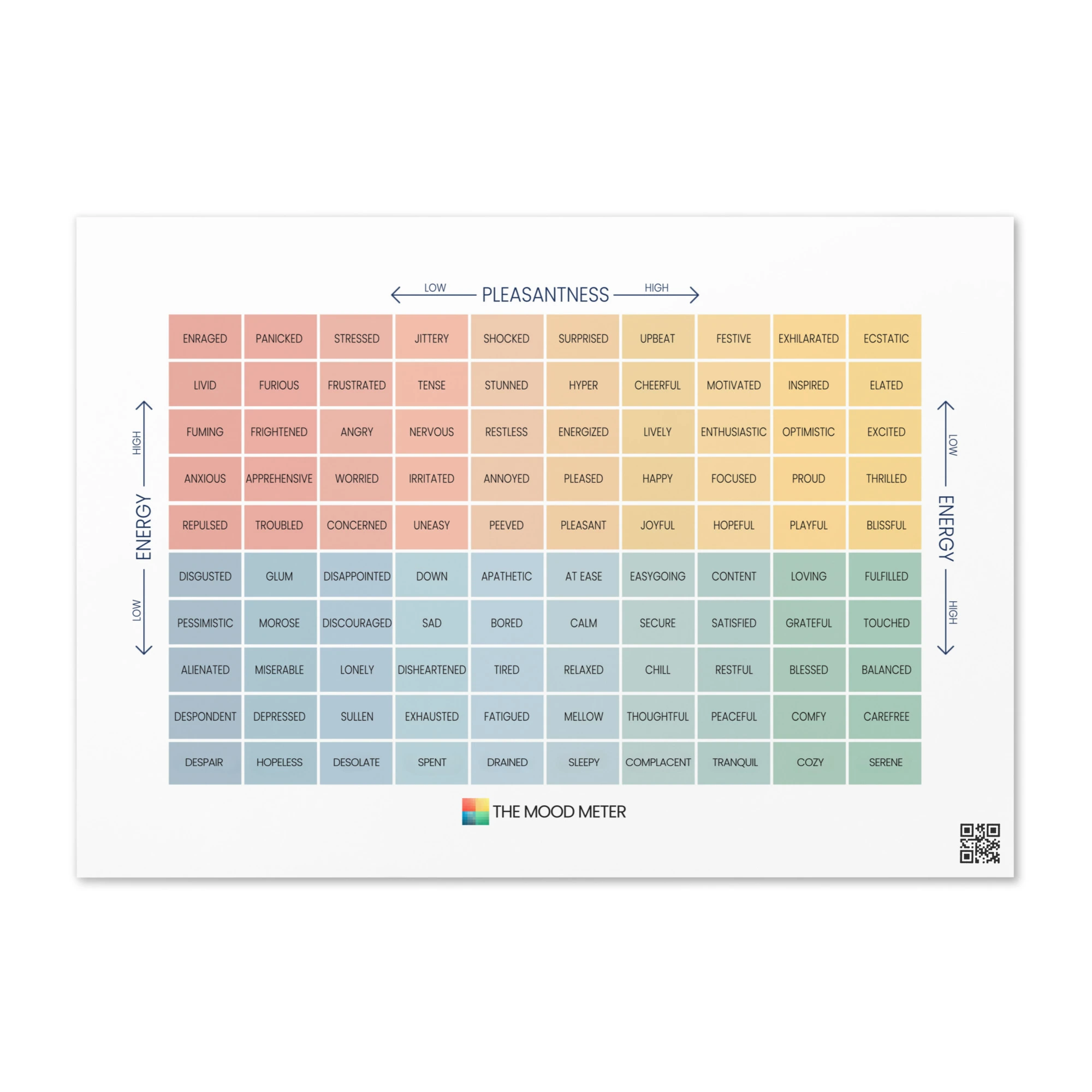
The Mood Meter is an essential tool for helping students name and understand their emotions throughout the day. It organizes feelings into four color quadrants based on energy and pleasantness. By identifying where they are on the Mood Meter, students gain awareness of their emotional state and learn strategies to shift into more productive feelings when needed. When teachers and families use the Mood Meter consistently, children develop a shared emotional language that strengthens communication and supports healthier emotional growth.
Encouraging Reflection and Self-Management
Short reflective routines help students understand how emotions affect learning. After a task, teachers can ask students:
“What emotion did you experience during this activity?”
“What helped you stay focused?”
“What can you do differently next time?”
These small habits build metacognition, helping students recognize the link between emotions, behavior, and performance.
Creating a Consistent SEL Culture
Embedding SEL into everyday instruction is most effective when it becomes part of the classroom’s identity. Morning routines, transitions, group work, and class discussions all become opportunities to practice emotional intelligence. Over time, students learn to regulate emotions, treat others with respect, and make thoughtful decisions without needing constant reminders.
When SEL is integrated into every part of the school day, students learn to navigate challenges with confidence and empathy. Tools like the Mood Meter, combined with consistent modeling and reflective routines, help create a supportive learning environment where every student can succeed academically and emotionally. Embedding SEL into everyday instruction builds not just good learners but emotionally intelligent individuals prepared for life beyond the classroom.
-
-

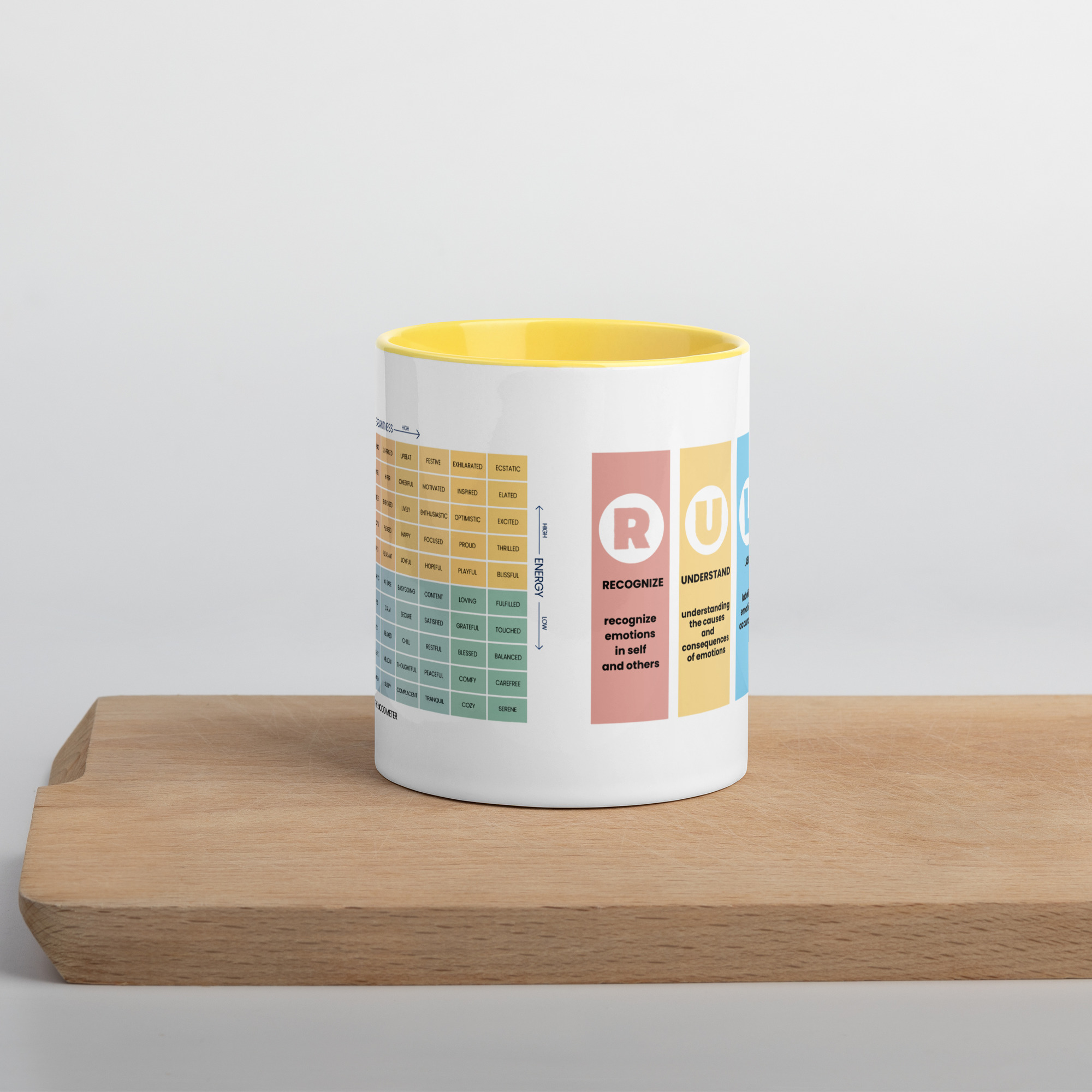
The Mood Meter & RULER White Glossy Ceramic Mug
Price range: $11.00 through $14.50 -
-
Bubble-Free Stickers – Durable High-Opacity Vinyl for Smooth Application
Price range: $7.50 through $11.00 -

-
The Mood Meter Greeting Card – Premium Paperboard with Envelope
Price range: $7.50 through $9.00