Self-trust is the confidence individuals have in their ability to understand themselves, make sound decisions, and respond effectively to life’s challenges. It is a foundation for emotional well-being, resilience, and authentic living. One of the most powerful ways to build and strengthen self-trust is through emotional awareness. When people understand their emotions and what those emotions are communicating, they become better equipped to trust their instincts, values, and choices.
Emotional awareness is a core component of Emotional Intelligence (EI). It involves recognizing emotions as they arise, accurately naming them, and understanding their influence on thoughts and behavior. This skill creates a stronger connection between inner experience and outward action, which is essential for developing self-trust.
Understanding Emotional Signals
Emotions are not random reactions; they are signals that provide information about needs, boundaries, and values. Emotional awareness allows individuals to interpret these signals instead of ignoring or suppressing them. For example, anxiety may signal uncertainty or misalignment, while frustration can indicate unmet needs or crossed boundaries.
When individuals consistently listen to their emotional signals, they learn to rely on their internal guidance system. This strengthens self-trust because decisions are informed not only by logic but also by emotional insight. Over time, people become more confident in recognizing what feels right or wrong for them.
Reducing Self-Doubt Through Clarity
Self-doubt often arises when emotions are misunderstood or dismissed. When people feel uneasy but cannot identify why, they may question their judgment or look to others for validation. Emotional awareness provides clarity by helping individuals name and understand their feelings.
For instance, recognizing that discomfort in a situation stems from values conflict rather than fear allows individuals to act with confidence. This clarity reduces confusion and reinforces trust in personal judgment. The more consistently individuals understand their emotions, the less they rely on external approval to make decisions.
Emotional Awareness Supports Authentic Decisions
Self-trust grows when actions align with internal values and emotions. Emotional awareness helps individuals notice when they are acting out of obligation, fear, or pressure rather than genuine choice. This awareness creates space to pause and choose responses that reflect authenticity.
When individuals honor their emotional experience, they reinforce the belief that their inner voice matters. Each time a decision is made with emotional honesty, self-trust deepens. This leads to a greater sense of integrity and confidence over time.
Strengthening Boundaries Through Emotional Insight
Healthy boundaries are closely tied to self-trust. Emotional awareness helps individuals recognize when boundaries are being crossed by noticing feelings such as resentment, exhaustion, or irritation. These emotions serve as cues that a limit needs to be set or reinforced.
By responding to these emotional signals, individuals learn that they can protect their time, energy, and well-being. This reinforces trust in their ability to advocate for themselves. Over time, individuals feel safer relying on their emotional cues to guide boundary-setting.
Emotional Awareness Builds Resilience
Resilience depends on trusting one’s ability to navigate challenges and recover from setbacks. Emotional awareness supports resilience by helping individuals process emotions rather than avoid them. Acknowledging disappointment, fear, or sadness allows individuals to move through these emotions constructively.
When people face difficulties and respond with emotional awareness, they learn that they can handle discomfort without losing control or direction. This reinforces self-trust by proving that emotions are manageable and informative rather than overwhelming or dangerous.
Rebuilding Self-Trust After Setbacks
Mistakes and setbacks can weaken self-trust, especially when individuals criticize themselves harshly. Emotional awareness encourages self-compassion by helping individuals understand the emotional context behind decisions and behaviors.
Instead of labeling a choice as a failure, emotionally aware individuals reflect on what they were feeling and what they needed at the time. This reflective approach supports learning rather than self-blame. Each experience becomes an opportunity to strengthen self-understanding and rebuild trust.
Self-Trust Grows With Practice
Emotional awareness is a skill that develops through practice. Regularly checking in with emotions, reflecting on emotional responses, and honoring emotional needs strengthens the connection between inner experience and action. Over time, individuals feel more confident navigating uncertainty and making decisions aligned with their values.
Self-trust is not built through perfection but through consistency. Each moment of emotional awareness reinforces the belief that emotions can be trusted as valuable guides.
Emotional Awareness as a Foundation for Self-Trust
Ultimately, emotional awareness strengthens self-trust by creating a reliable internal compass. When individuals understand their emotions, they are less likely to second-guess themselves or seek constant reassurance. They develop confidence in their ability to respond thoughtfully, set healthy boundaries, and make choices that support long-term well-being.
By cultivating emotional awareness, individuals build a deeper relationship with themselves—one rooted in understanding, respect, and trust.
Using the Mood Meter to Strengthen Self-Trust
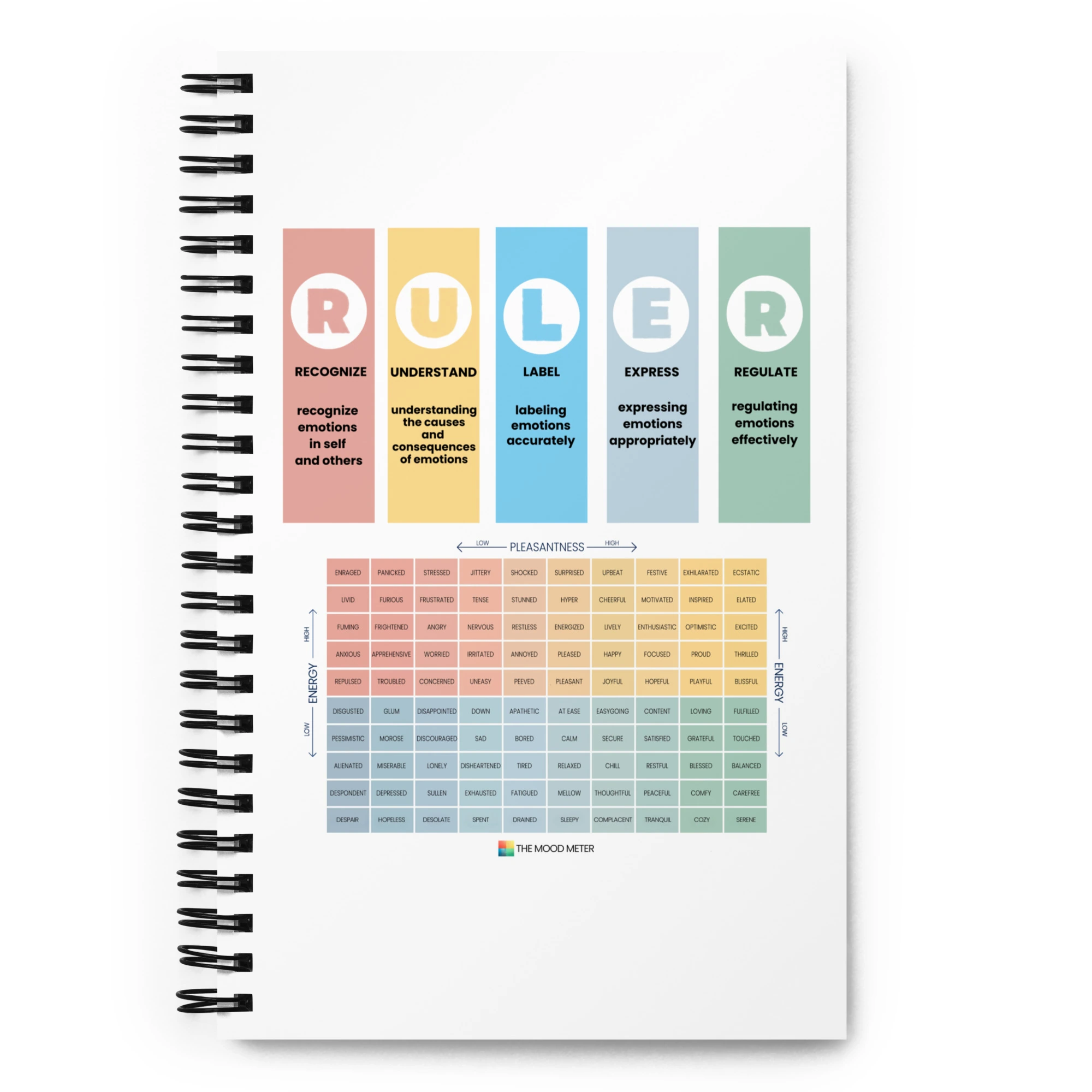
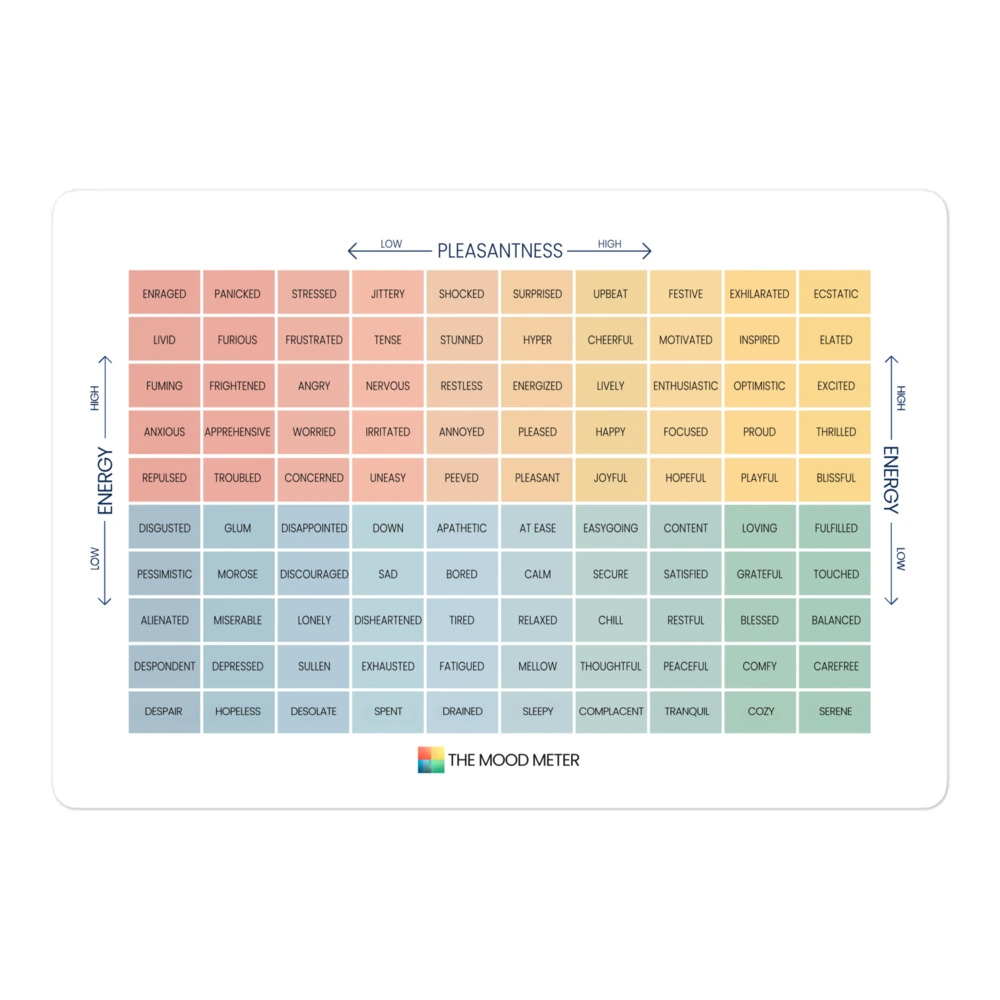
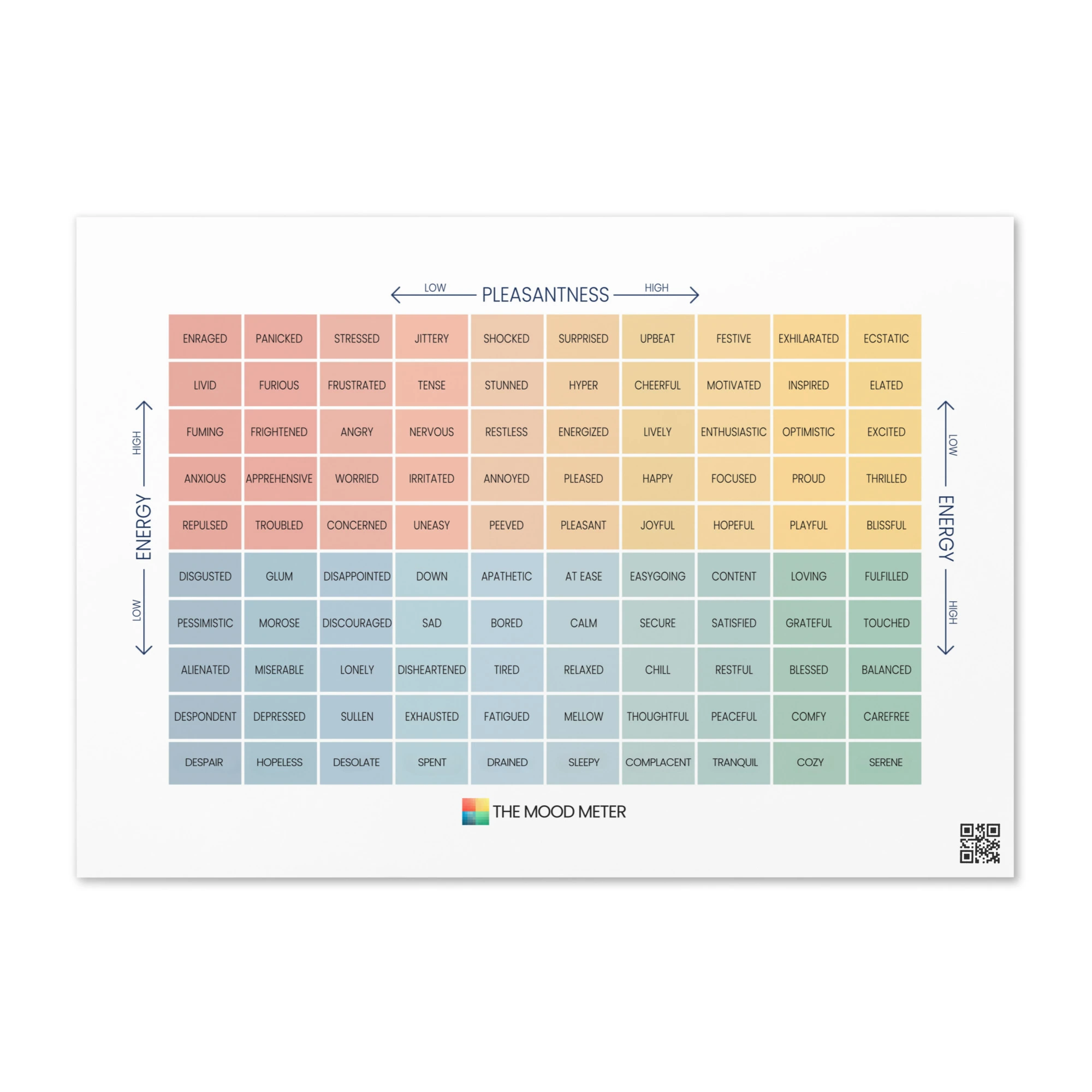
The Mood Meter is a practical emotional awareness tool that helps individuals identify and label their emotions based on energy and pleasantness. By recognizing where emotions fall, people gain clearer insight into what they are experiencing and why. Using the Mood Meter regularly supports self-trust by helping individuals pause, understand their emotional state, and respond intentionally rather than react impulsively. Over time, this consistent emotional check-in strengthens confidence in one’s inner signals, reinforcing emotional awareness as a reliable guide for decision-making and personal growth.