Creating a Supportive Learning Environment
A supportive learning environment is essential for helping students feel valued, capable, and ready to learn. When students walk into a classroom where they feel safe, respected, and understood, their confidence grows, their curiosity deepens, and their academic performance improves. Creating such an environment requires planning, consistent routines, and a deep commitment to student well-being. It’s not just about academic instruction; it’s about nurturing the whole child.
Building Emotional Safety as the Foundation
Emotional safety is the cornerstone of a supportive learning environment. Students who feel emotionally secure are more willing to raise their hands, ask questions, and take risks without fear of being judged. Teachers play a pivotal role in cultivating this security by encouraging open communication, modeling positive behavior, and setting clear expectations. Simple daily practices, such as greeting students by name, acknowledging their feelings, or celebrating small achievements, help create a sense of belonging in the classroom.
Classrooms that prioritize emotional safety also promote collaboration over competition. When students feel respected and accepted, they learn to respect others, creating a mutually supportive classroom culture.
Encouraging Active Participation and Student Voice
Empowering students to express themselves is vital for a supportive learning space. When learners feel their ideas matter, motivation and engagement naturally increase. Teachers can encourage participation through group discussions, partner activities, reflective writing, and project-based learning. Offering choices, such as selecting a research topic or choosing between assignments, helps students take ownership of their learning, boosting confidence and independence.
Active participation also fosters peer connection. As students share their thoughts, listen to others, and collaborate on tasks, they build essential communication and relationship skills.
Designing a Positive Physical Classroom Space
The physical arrangement of a classroom can greatly influence how supported students feel. Comfortable seating, good lighting, organized supplies, and visually calm environments help students stay focused and relaxed. Displaying student work, motivational messages, or diverse cultural materials also sends a clear message that every individual’s contributions and identity matter.
A well-organized classroom reduces anxiety and encourages smoother transitions between tasks. When students know where materials are and understand classroom routines, they feel more confident navigating the learning process.
How the Mood Meter Supports a Supportive Learning Environment
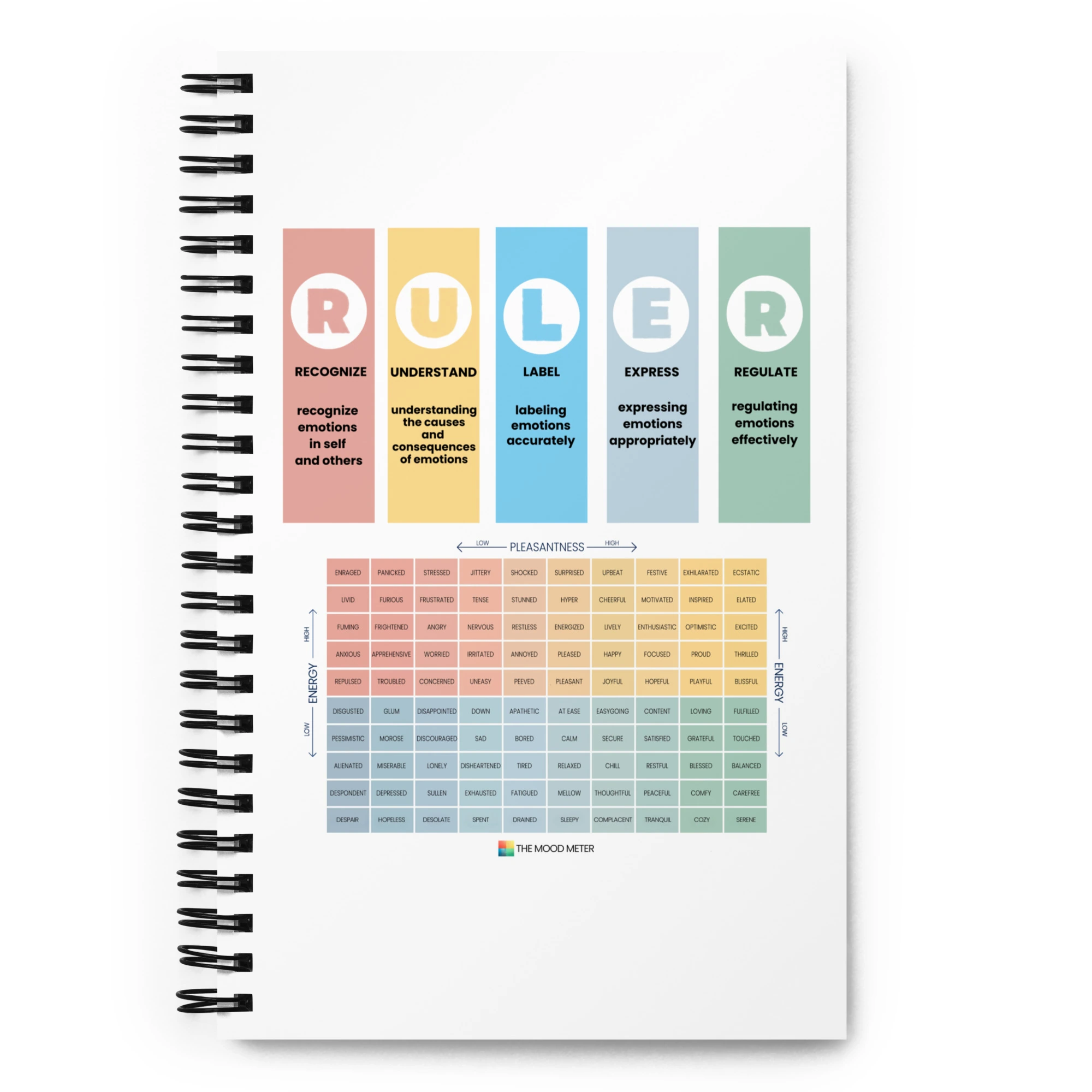
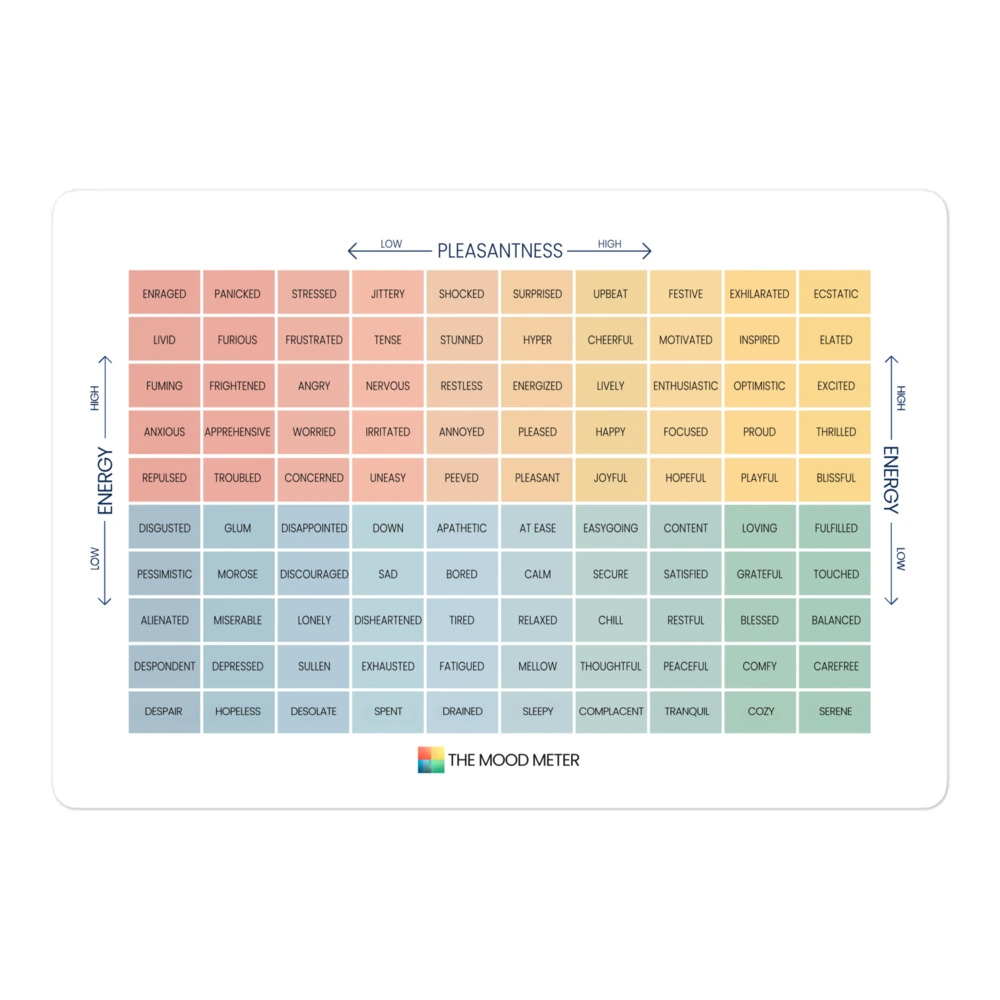
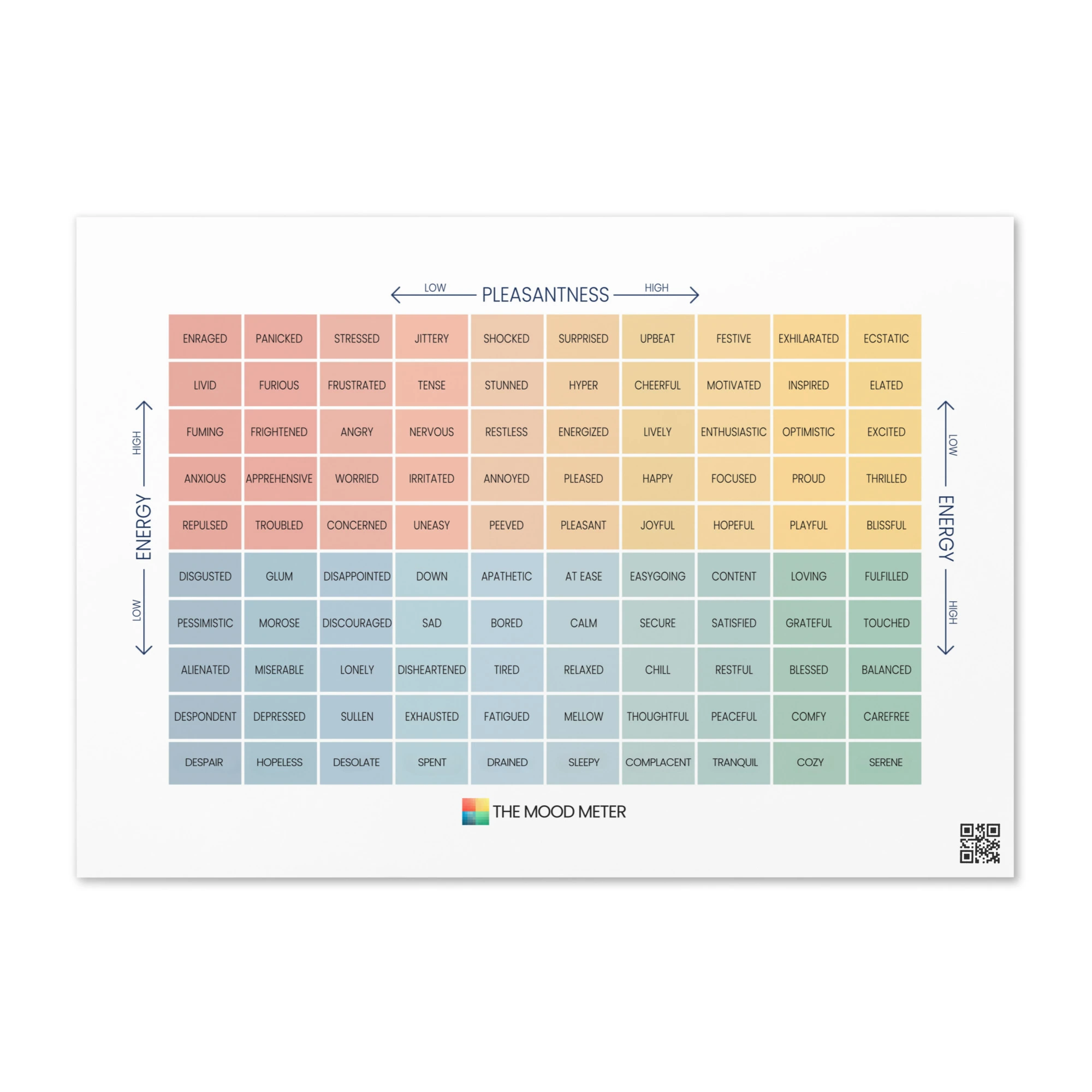
The Mood Meter, part of the RULER emotional intelligence framework, is an effective tool for building emotional awareness and communication in the classroom. It uses a color-coded chart divided into four quadrants—blue, green, yellow, and red, representing different combinations of energy and pleasantness. Students identify their emotional state by locating themselves on the chart.
Regular use of the Mood Meter allows students to recognize and label their emotions, understand how feelings affect behavior, and learn strategies for regulation. Teachers often begin class by asking students to check in on the Mood Meter, opening space for honest conversations and empathy. Over time, this practice fosters emotional safety, strengthens relationships, and helps students manage stress, key elements of a supportive learning environment.
Building Trust and Strong Relationships
Trust between teachers and students is essential. When students know they can rely on their teacher for guidance, fairness, and understanding, they feel safer exploring and engaging in their learning. Teachers build trust through active listening, consistent routines, and respectful communication. Checking in individually with students, offering constructive feedback, and showing genuine interest in their lives strengthens this connection.
Peers also play an important role. Cooperative learning, group reflection, and peer mentorship programs help students develop empathy and teamwork skills, enhancing overall classroom support.
Promoting Growth Mindset and Resilience
A supportive learning environment encourages students to view mistakes as opportunities for growth. By promoting a growth mindset, believing that abilities can improve with effort, teachers help students build resilience. Celebrating progress, offering specific praise, and teaching students to reflect on challenges teaches them to persevere. This mindset not only improves academic success but also strengthens confidence and emotional well-being. Creating a supportive learning environment takes consistent effort, empathy, and thoughtful planning, but the results are profound. Students feel safer, more connected, and better equipped to face academic and personal challenges. Through emotional safety, active participation, strong relationships, and tools like the Mood Meter, teachers can cultivate classrooms where every student thrives, both academically and emotionally.
-

-

The Mood Meter & RULER White Glossy Ceramic Mug
Price range: $11.00 through $14.50 -
-
Bubble-Free Stickers – Durable High-Opacity Vinyl for Smooth Application
Price range: $7.50 through $11.00 -

-
The Mood Meter Greeting Card – Premium Paperboard with Envelope
Price range: $7.50 through $9.00