Building Strong, Safe, and Supportive School Communities
Creating a safe and emotionally supportive school environment is essential for student success. When schools strengthen prevention programs, expand access to mental-health support, and build a culture of inclusion, they significantly reduce bullying, self-harm risks, and social isolation. We focus on evidence-based methods that help schools cultivate connected, compassionate learning environments where every student feels seen, valued, and supported.
Understanding the Core Needs of Today’s Students
Students face increasing pressure from academic demands, digital exposure, and social challenges. These stressors can influence emotional well-being, behavior, and academic performance. Building a strong support ecosystem ensures students receive early guidance, appropriate intervention, and ongoing encouragement. Schools that implement structured wellness programs see measurable improvements in attendance, engagement, and resilience. Explore SEL as a Foundation for Student Self-Motivation.
Comprehensive Prevention Programs That Make an Impact
Effective prevention programs go beyond one-time events. They incorporate ongoing education, student engagement, and teacher involvement. Programs that focus on kindness, empathy, safe reporting, digital citizenship, and positive peer interactions strengthen school culture. Consistency is critical; students build trust when they know support systems are reliable and accessible.
The Power of Safe Reporting Tools and Student Voice
A strong school community encourages students to speak up when they notice concerns, whether academic, emotional, or safety-related. Anonymous reporting tools empower them to report bullying, threats, or personal struggles without fear of retaliation. When paired with rapid response protocols, these systems prevent escalation and protect the entire school population. Check out SEL and Student Voice; creating emotionally inclusive spaces.
Embedding Emotional Intelligence in Daily School Life
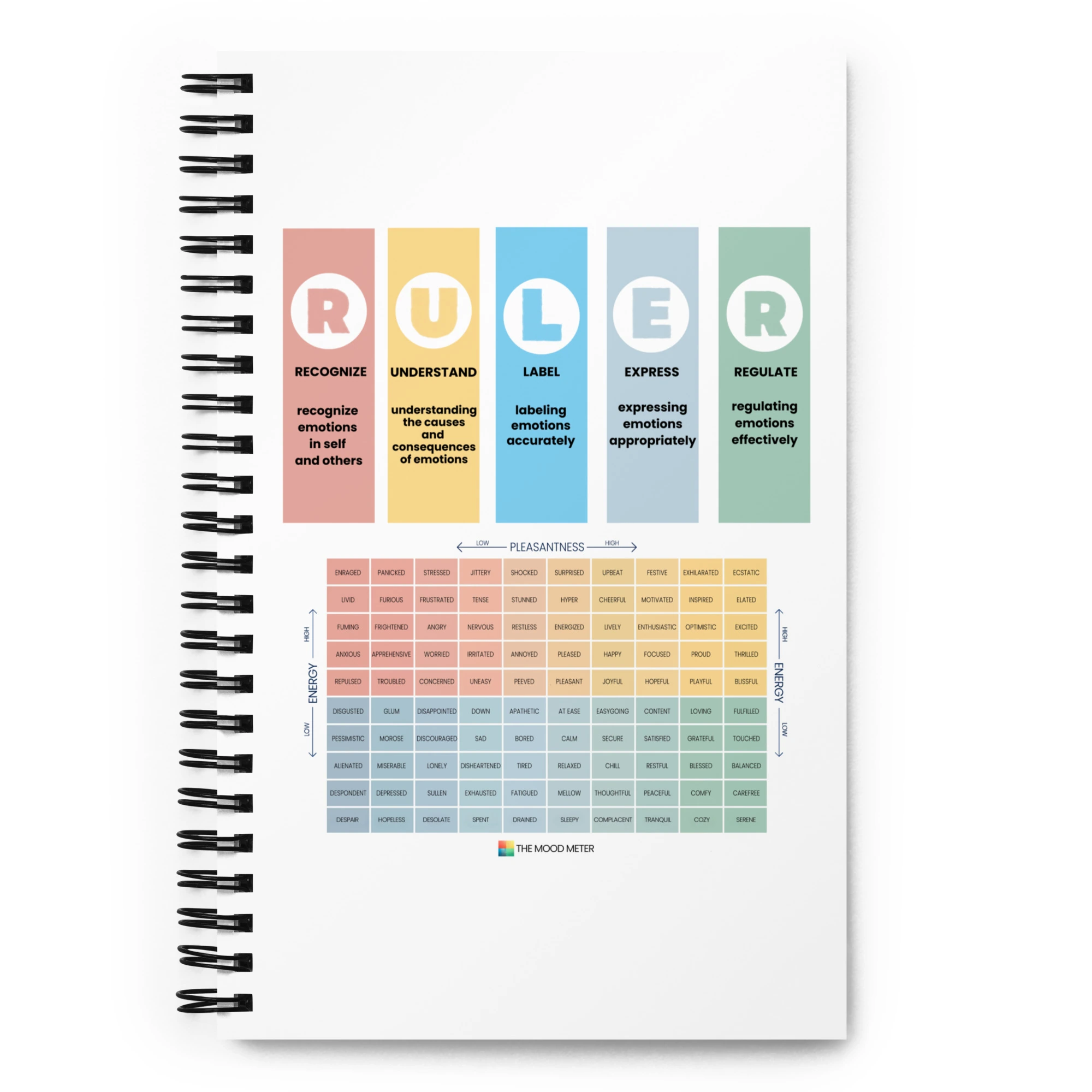
Emotional intelligence is an essential part of school wellness. Schools that teach emotional awareness, labeling, empathy, and self-regulation equip students with lifelong skills. These social-emotional competencies help reduce conflicts, improve communication, and strengthen relationships across classrooms. Understand the RULER approach for building emotionally intelligent schools.
How the Mood Meter Enhances Student Well-Being
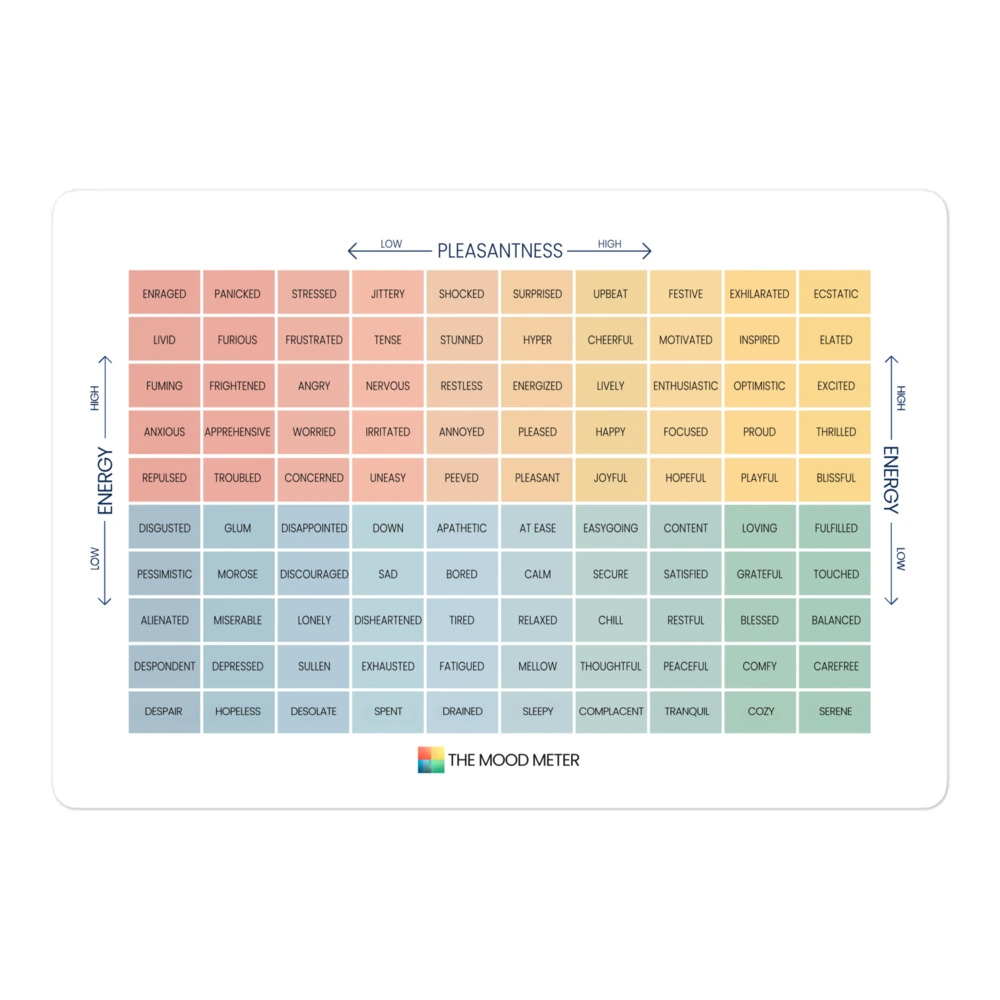
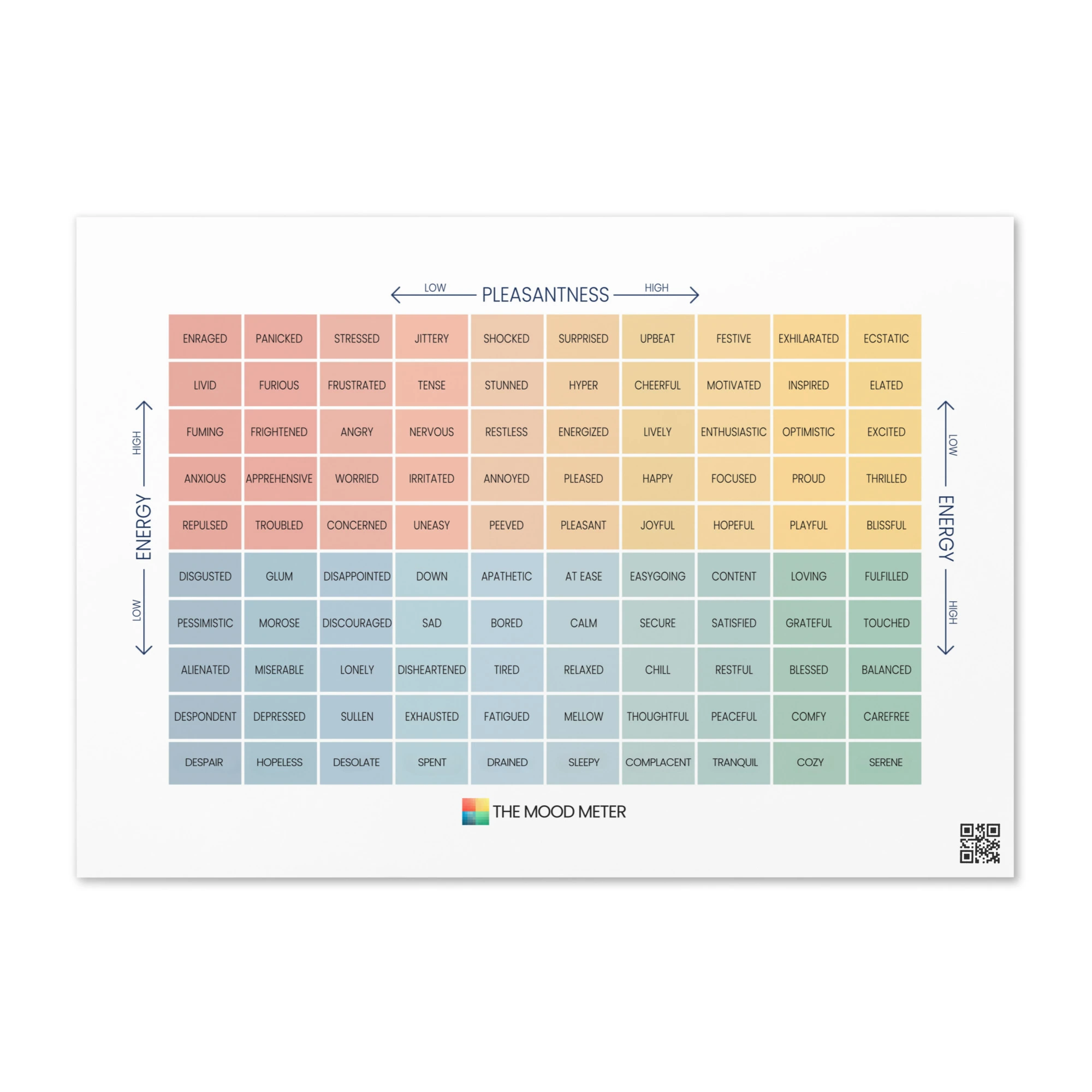
The Mood Meter is a research-backed emotional awareness tool that teaches students to identify, understand, and regulate their emotions. Categorizing feelings across energy and pleasantness levels helps students build emotional vocabulary and self-reflection habits. Teachers can integrate the Mood Meter into morning check-ins, journal prompts, or conflict resolution activities, creating an emotionally safe environment. Students learn to shift their moods constructively, making classrooms more focused, collaborative, and resilient. Learn about enhancing student engagement and motivation through SEL strategies.
Strengthening School Mental Health Systems
A comprehensive mental-health system includes professional counseling, staff training, crisis protocols, and referral partnerships. Schools that collaborate with mental-health organizations are better prepared to recognize early warning signs and provide timely help. Investing in professional development helps staff respond confidently to emotional and behavioral needs. Discover SEL and Mental Health for Supporting Emotional Well-Being School-Wide.
Creating a Connected School Culture
Strong school communities prioritize relationships. When students feel connected to adults and peers, they are less likely to engage in harmful behaviors and more likely to seek support during challenges. Relationship-building strategies include mentorship programs, restorative practices, peer-led activities, and classroom circles. These initiatives improve belonging and reduce disciplinary incidents.
Supporting Teachers as Emotional Leaders
Teachers play a pivotal role in shaping a healthy school environment. Equipping them with training in communication, trauma-informed practices, and conflict de-escalation enhances their ability to support students. A healthy school also supports teacher well-being, recognizing that emotionally strong educators foster emotionally strong learners. Find out SEL Practices that strengthen teacher well being.
Encouraging Family Involvement to Strengthen Outcomes
Families are essential partners in creating safe schools. When schools maintain transparent communication and offer resources for at-home support, families become active contributors to student well-being. Workshops, newsletters, and family engagement events bridge the gap between home and school, reinforcing a unified approach to wellness. Here’s a brief description of family language that builds emotional awareness.
Tackling Bullying Through Education and Accountability
Anti-bullying initiatives must address both prevention and response. Education helps students understand the impact of bullying, while clear reporting pathways ensure swift action. Schools that implement restorative approaches, rather than punitive-only models, see better long-term behavioral change and stronger relationships among students. Read more about Emotional Intelligence and Personal Accountability.
Integrating Digital Wellness and Online Safety
As students spend more time online, digital safety is a critical factor in school well-being. Education on responsible online behavior, cyberbullying prevention, and healthy technology usage helps students navigate the digital world with confidence. Schools can implement protective monitoring tools and establish clear guidelines to maintain safe digital environments.
Early Intervention: The Key to Prevention
Early intervention reduces long-term risks. Staff should be trained to recognize emotional withdrawal, sudden behavior changes, academic decline, or social detachment. When schools act early, they prevent crisis escalation and help students develop coping strategies before problems intensify.
Data-Driven School Safety Strategies
Data helps schools understand patterns in attendance, behavior, and academic performance. These insights guide decisions about resource allocation, program design, and staff training. Schools that regularly review data make better predictions and create targeted strategies that truly support students.
A Vision for Thriving School Communities
School safety and well-being are built on consistency, compassion, and communication. By integrating prevention programs, emotional intelligence tools like the Mood Meter, data-driven strategies, and strong mental-health frameworks, schools create environments where every student thrives academically, socially, and emotionally.
-

-

The Mood Meter & RULER White Glossy Ceramic Mug
Price range: $11.00 through $14.50 -
-
Bubble-Free Stickers – Durable High-Opacity Vinyl for Smooth Application
Price range: $7.50 through $11.00 -

-
The Mood Meter Greeting Card – Premium Paperboard with Envelope
Price range: $7.50 through $9.00