The Power of Social-Emotional Learning: A Complete Guide to SEL Skills
The Power of Social-Emotional Learning: Skills, Strategies, and Classroom Impact
Social-Emotional Learning (SEL) provides the core competencies students need to manage emotions, build healthy relationships, and make responsible decisions in school and beyond. As educational environments evolve, SEL has become a pillar of effective instruction, empowering learners with emotional resilience, self-awareness, and interpersonal confidence. We present a complete, research-aligned guide that strengthens the understanding and application of SEL across diverse learning settings.
Understanding SEL: The Framework That Shapes Confident, Capable Learners
SEL is the structured process of helping students develop emotional intelligence, empathy, self-management, and social awareness. High-quality SEL programs integrate emotional skills into daily learning so students can regulate stress, build connections, improve communication, and navigate challenges with clarity. Schools that embed SEL into classroom routines consistently report better academic performance, lower behavioral issues, and improved classroom culture.
Core SEL Competencies That Drive Student Growth
1. Self-Awareness: Recognizing Emotions and Identity
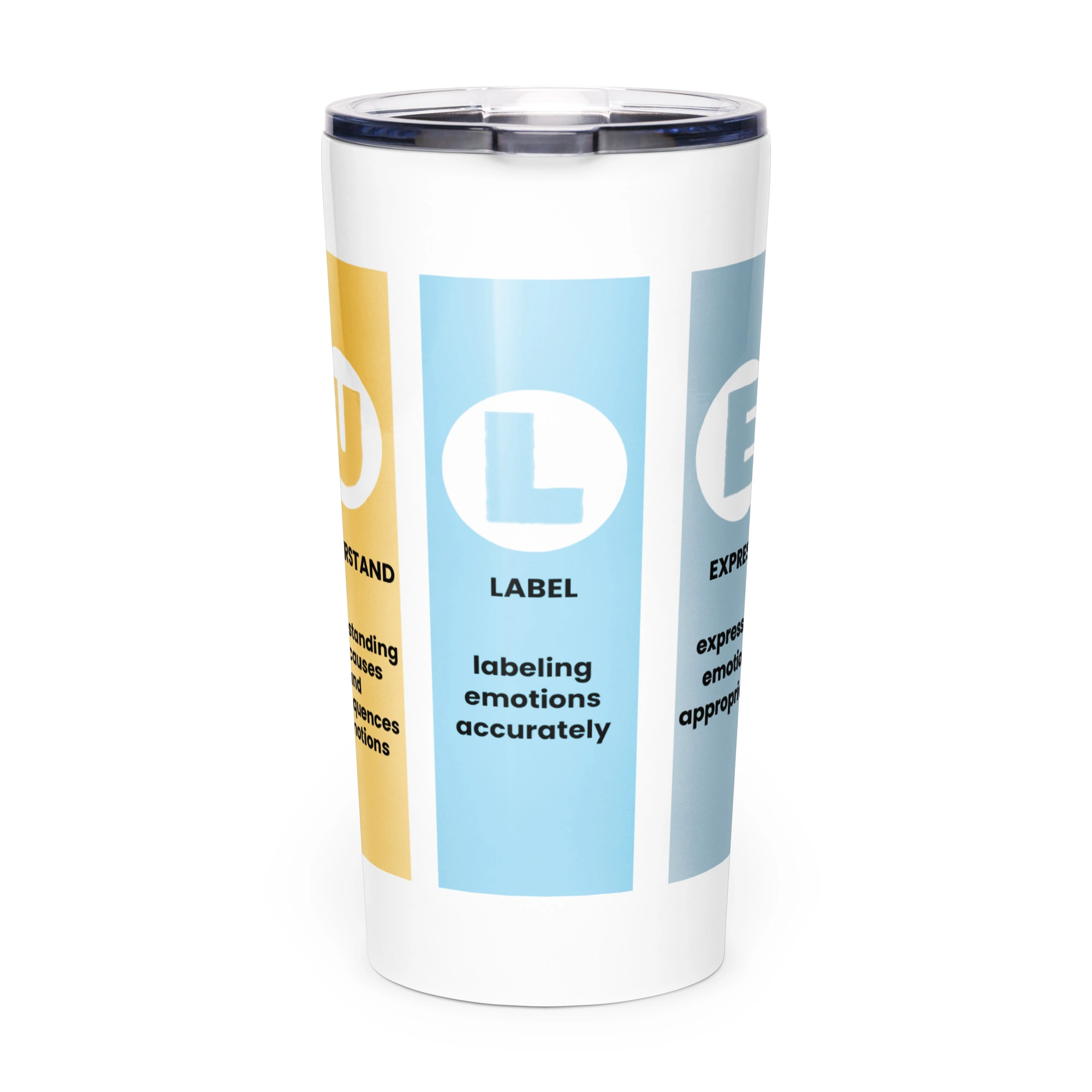
Self-awareness is the ability to recognize personal emotions, understand triggers, identify strengths, and make meaning out of experiences. Students learn how feelings influence thoughts and behavior, which helps them respond thoughtfully rather than react impulsively. Strong self-awareness improves confidence, self-esteem, and goal setting.
2. Self-Management: Mastering Self-Control and Focus
Self-management refers to regulating emotions, managing stress, controlling impulses, and maintaining motivation. Introducing planning skills, breathing techniques, and emotional-regulation routines helps students stay focused, persevere through difficulty, and develop personal discipline.
3. Social Awareness: Understanding and Empathizing With Others
Social awareness helps learners appreciate different perspectives, recognize social cues, show empathy, and understand cultural or emotional differences. These habits foster inclusive environments where students feel valued and seen.
4. Relationship Skills: Communicating and Collaborating Effectively
Relationship skills include clear communication, active listening, conflict resolution, teamwork, and cooperation. Students who practice these skills build stronger friendships, work better in groups, and develop healthier classroom interactions.
5. Responsible Decision-Making: Thinking Before Acting
Responsible decision-making involves evaluating consequences, considering safety, analyzing situations, and making choices that align with values. Students learn to solve problems logically, reflect on outcomes, and act ethically.
How the Mood Meter Reinforces SEL in Daily Learning
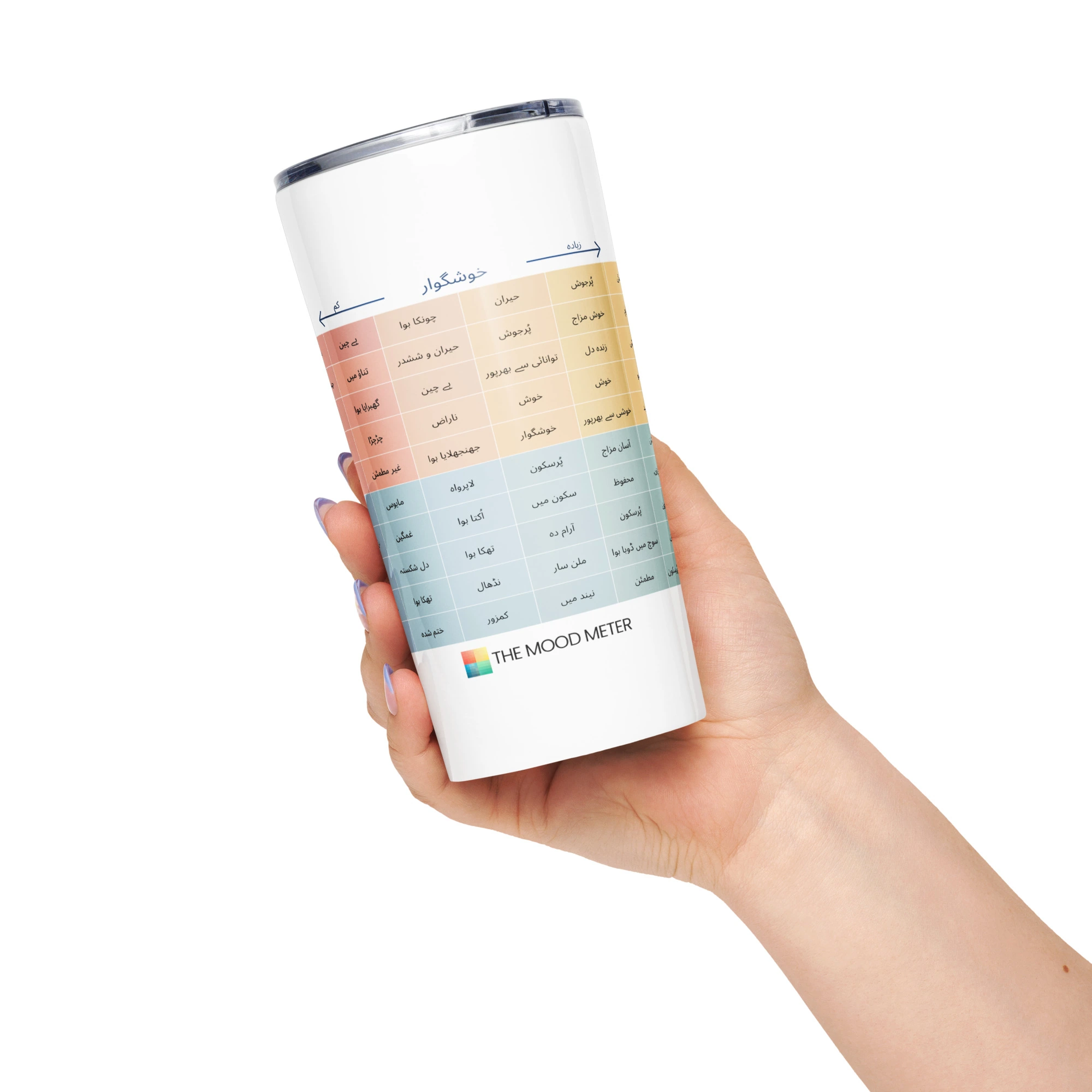
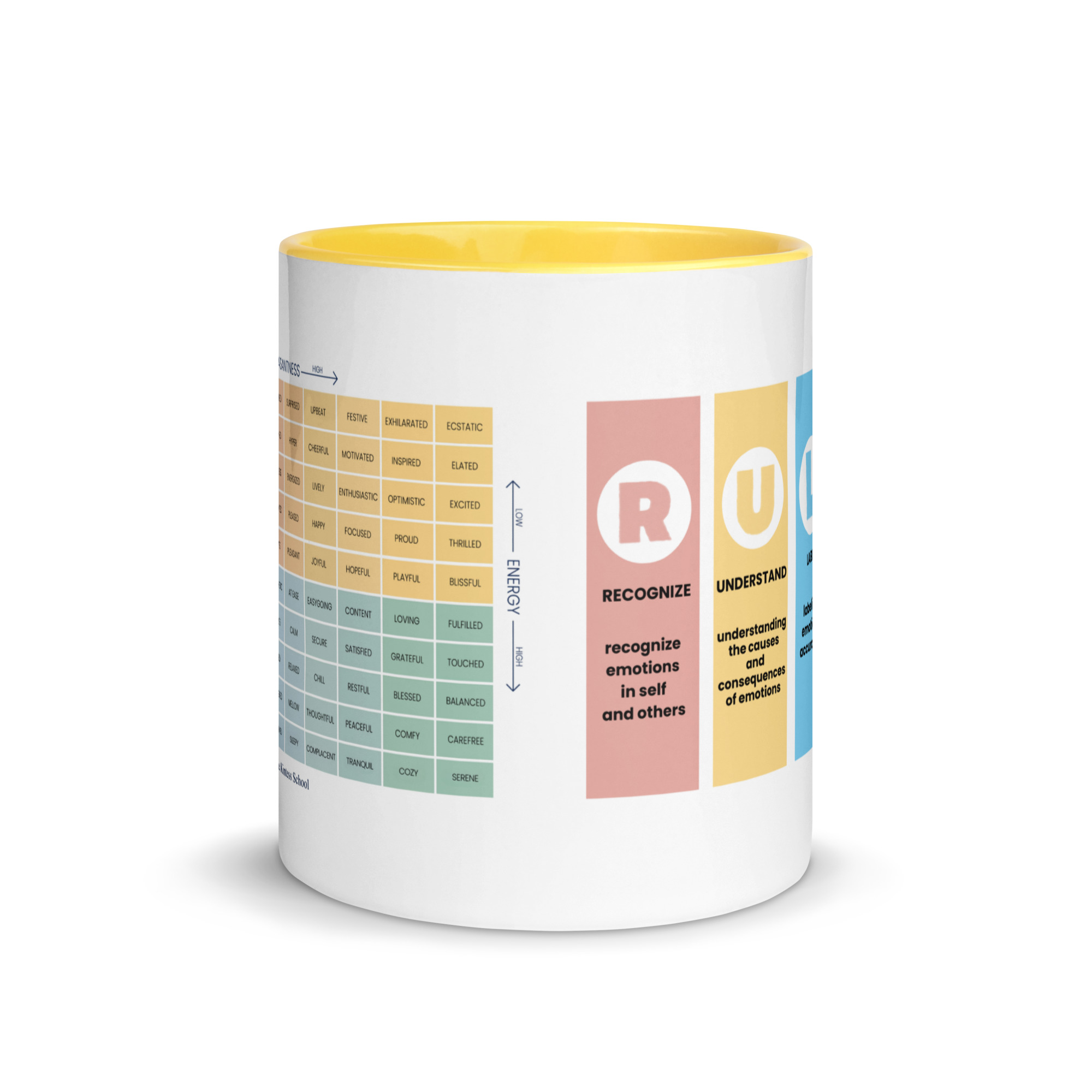
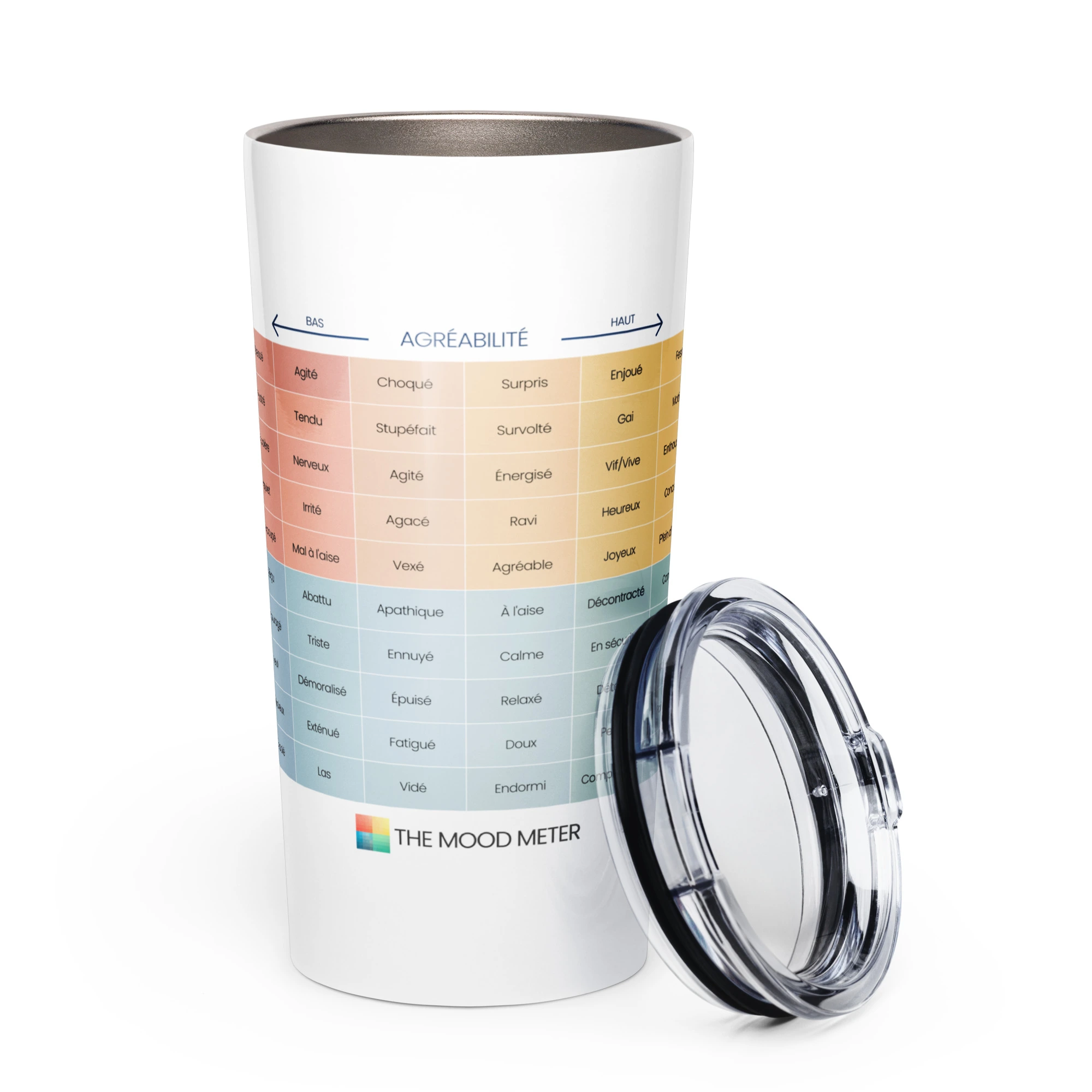
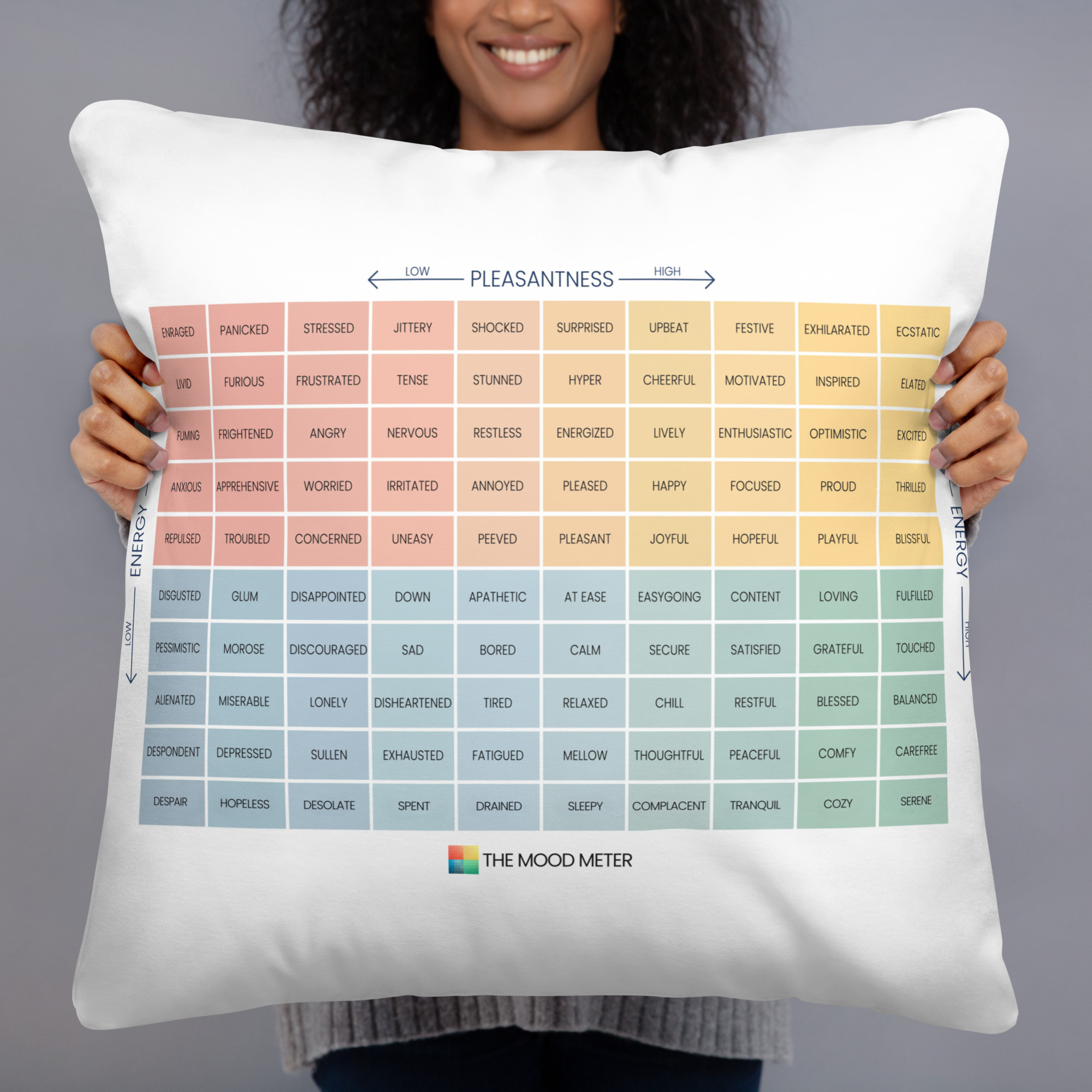
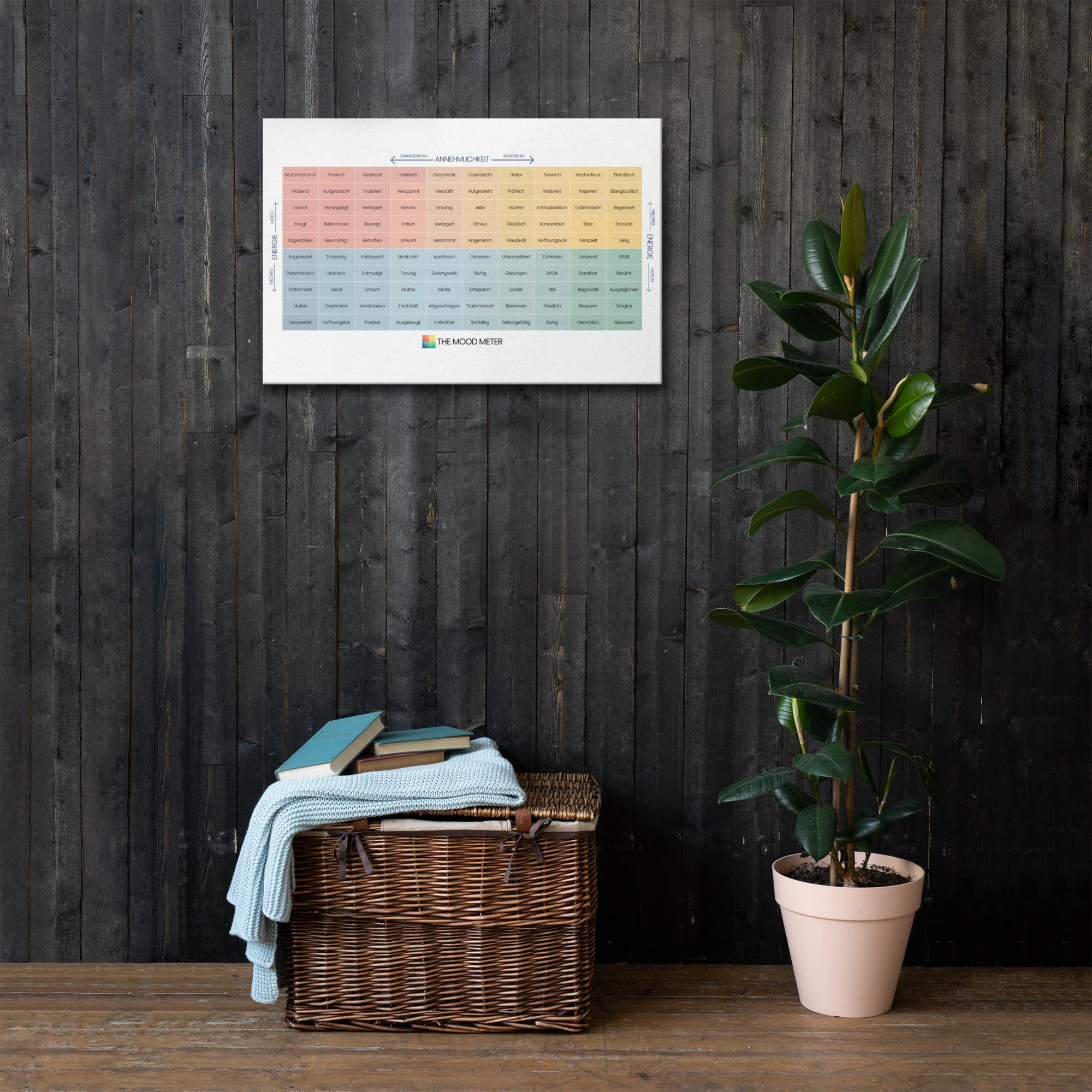
The Mood Meter is a simple, powerful tool that helps students identify and categorize emotions using four color-coded quadrants based on energy levels and pleasantness. By labeling their emotions accurately, students develop emotional vocabulary, self-awareness, and empathy. The Mood Meter encourages learners to pause, reflect, and regulate before reacting, creating healthier habits for emotional resilience. When used consistently, it strengthens classroom culture and equips students with lifelong emotional-intelligence skills.
Evidence-Based Benefits of SEL in Schools
Improved Academic Achievement
Students with strong SEL skills show higher test scores, greater classroom participation, and stronger long-term academic performance. Emotional regulation helps them concentrate, reflect, and stay engaged.
Healthier Behavior and Classroom Climate
SEL reduces stress, anxiety, bullying, and disruptions. Learners feel more connected to peers and adults, making classrooms more harmonious and productive.
Enhanced Emotional Resilience
Students build coping tools to handle challenges, adapt to change, and recover from setbacks—skills essential for adulthood.
Stronger Long-Term Life Skills
SEL prepares children for the real world by strengthening communication, empathy, leadership, and conflict-management capacities.
Best SEL Strategies for Classrooms
Daily Emotional Check-Ins
Brief morning activities that help students identify emotions, share experiences, and prepare mentally for the day.
Collaborative Learning Routines
Group projects and peer discussions encourage teamwork, perspective-taking, and communication.
Mindful Breathing and Reflection
Short mindfulness practices reduce anxiety, increase awareness, and improve focus.
Clear Behavior Expectations
Routines that encourage respect, responsibility, and kindness help students internalize social norms.
Journaling for Emotional Expression
Written reflection allows learners to explore thoughts privately and build emotional vocabulary.
Implementing SEL Across School Environments
School-Wide Culture and Leadership
Administrators can build SEL into mission statements, expectations, and professional development to cultivate consistency across classrooms.
Family and Community Partnerships
Engaging parents with SEL strategies at home ensures continuity and reinforces emotional growth outside school.
Teacher Training and Support
Educators need continuous training on emotional development, classroom management, and SEL-aligned communication techniques. SEL is an essential foundation for academic success, emotional well-being, and lifelong social competence. When implemented with intention, SEL transforms learning environments into places where students feel safe, supported, and empowered. With tools like the Mood Meter, strong school-wide systems, and consistent adult modeling, educators can cultivate emotionally intelligent learners who thrive in every aspect of life.