How SEL Transforms Learning Environments
Introduction
Social and Emotional Learning (SEL) has become one of the most influential approaches in creating effective, supportive learning environments. Today’s classrooms aren’t just academic spaces; they’re emotional ecosystems where students’ feelings, mindsets, and social interactions shape how well they learn. SEL strengthens these environments by building emotional awareness, improving relationships, and helping students stay focused, motivated, and resilient.
SEL Creates Emotionally Safe Classrooms
A strong SEL foundation helps students feel valued, understood, and supported. When children feel safe, they are more willing to take risks, ask questions, and participate actively in their learning. SEL encourages teachers to create routines that reduce stress, clarify expectations, and build trust. Students become more comfortable sharing their thoughts, which in turn strengthens collaboration and reduces the fear of failure. To understand how emotional safety transforms classrooms into nurturing environments, read How SEL Creates Emotionally Safe and Supportive Classrooms. An emotionally safe classroom becomes a place where curiosity grows naturally.
Enhancing Student Engagement and Motivation
SEL boosts engagement by helping students connect emotions with learning. Students who understand their feelings can better manage frustration, maintain focus, and stay motivated even during challenging tasks. Teachers who integrate SEL strategies, such as emotional check-ins or reflective discussions, often notice improved participation and smoother transitions. This emotional awareness helps students build persistence, confidence, and a stronger sense of purpose. To explore practical methods that strengthen motivation, read Enhancing Student Engagement and Motivation Through SEL Strategies.
Strengthening Relationships Among Students
Healthy peer interactions are essential for positive learning environments. SEL teaches students effective communication, empathy, conflict resolution, and teamwork. These relationship skills reduce classroom tension, limit bullying behaviors, and encourage cooperation. When students support each other emotionally and socially, the entire classroom culture becomes more respectful and inclusive. This collaborative climate makes group work more productive and enjoyable.
Supporting Teachers’ Emotional Well-Being
SEL doesn’t just benefit students; it strengthens teachers’ emotional resilience as well. Educators who use SEL techniques often experience reduced stress, clearer communication, and stronger relationships with their students. By modeling emotional regulation and empathy, teachers create a ripple effect that elevates the entire classroom. A teacher who feels emotionally balanced is better equipped to guide students through challenges and maintain a positive learning atmosphere. Discover how SEL supports teachers and improves classroom climate at SEL for Educators and School Staff: Building Emotional Skills for Stronger Schools.
The Mood Meter: A Practical Tool for Emotional Awareness
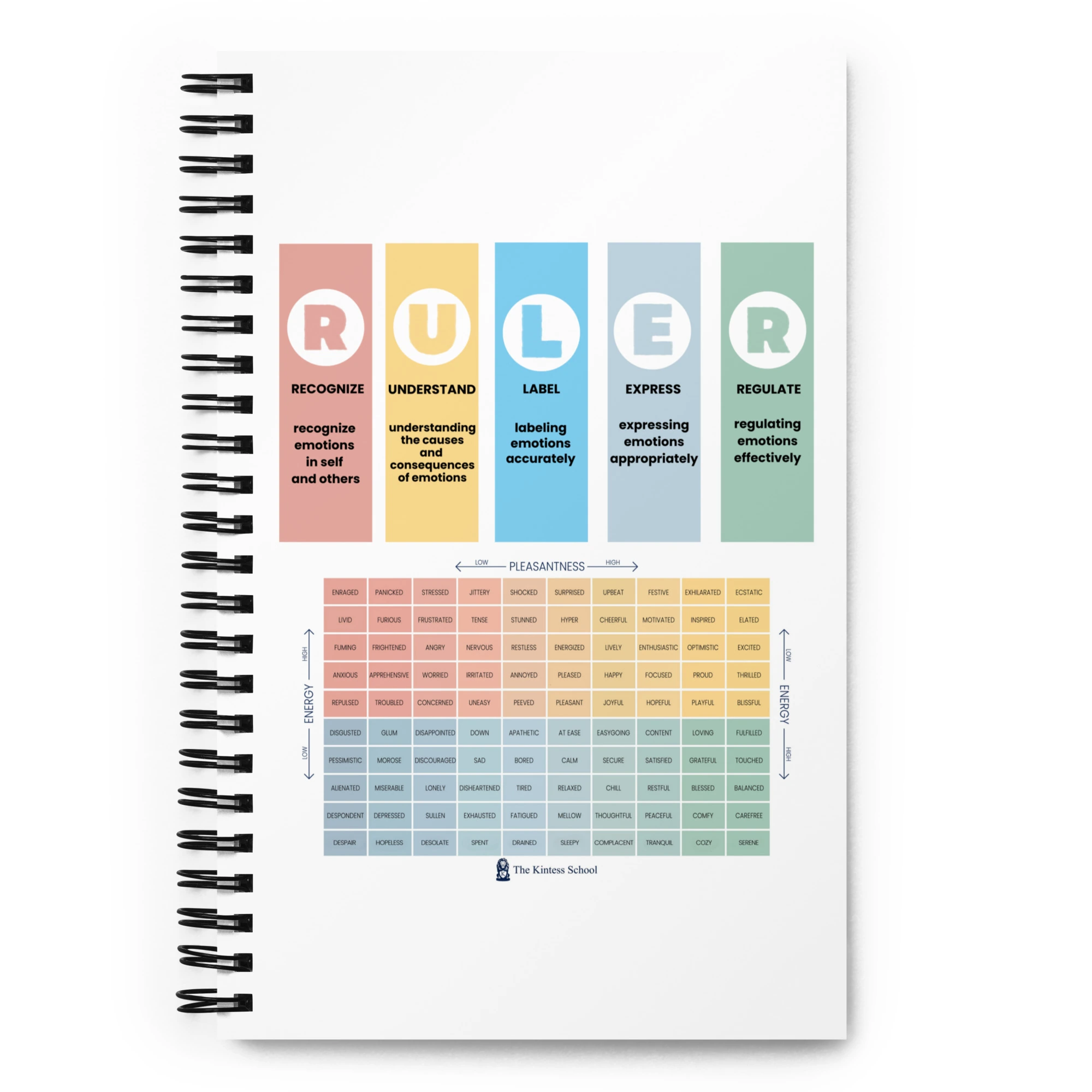
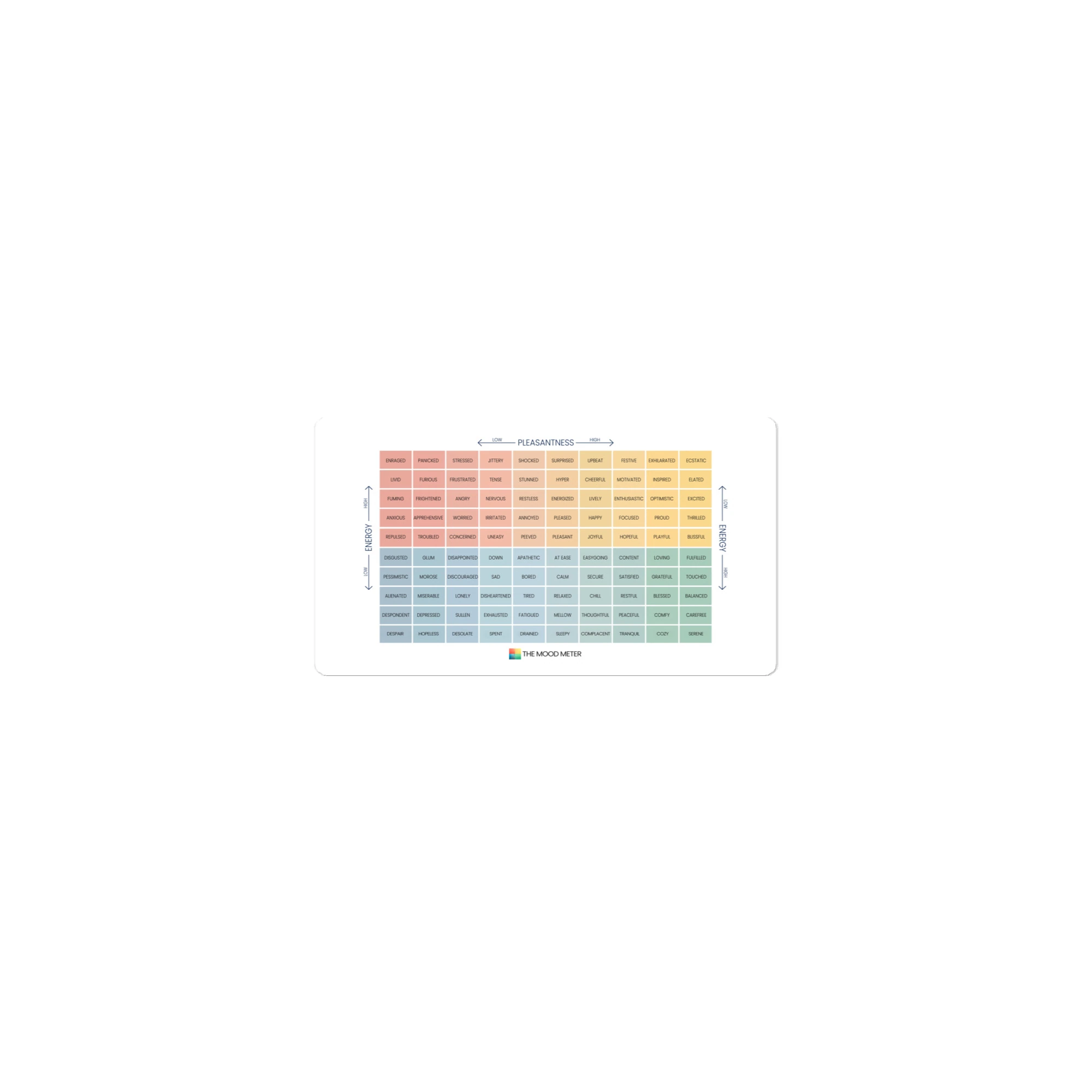
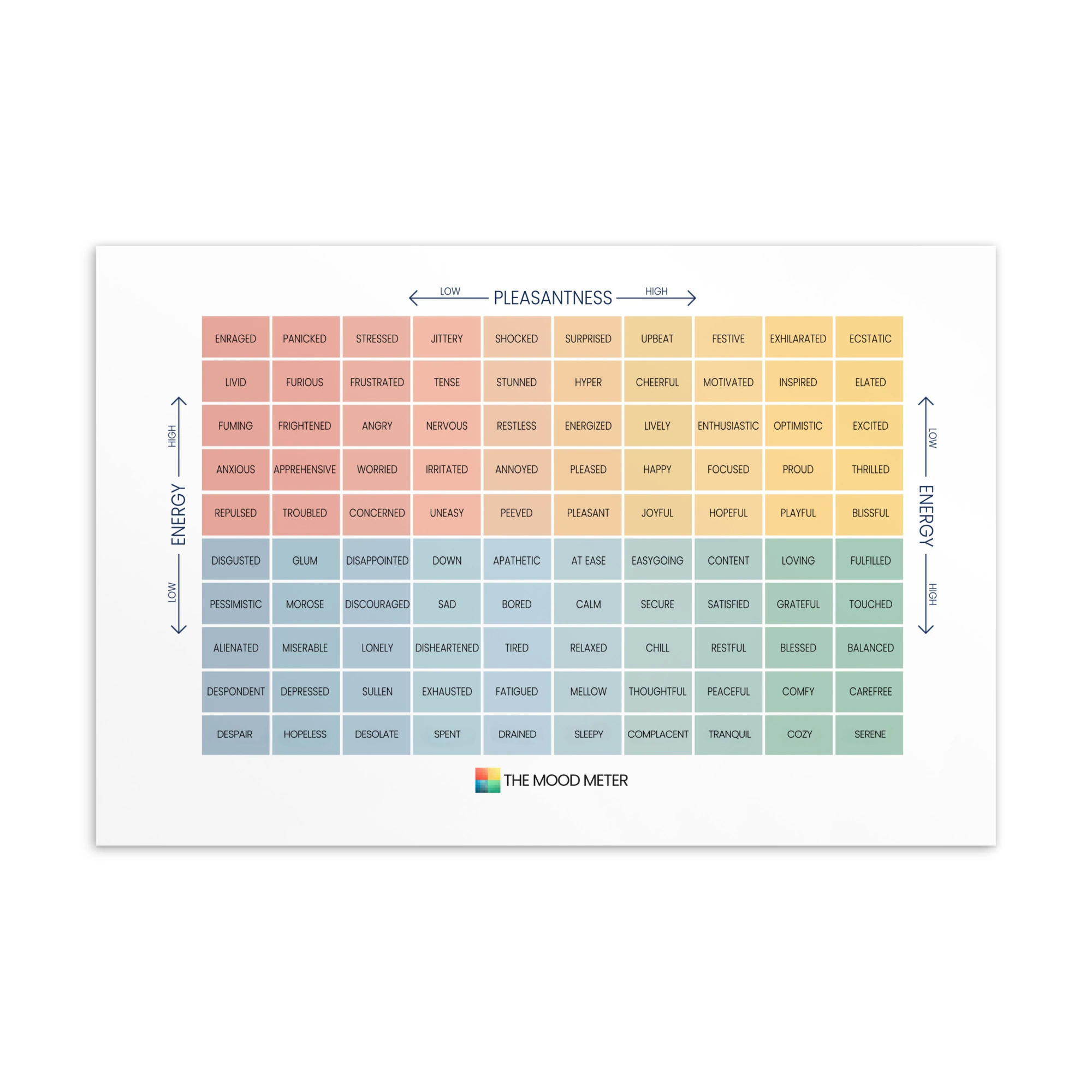
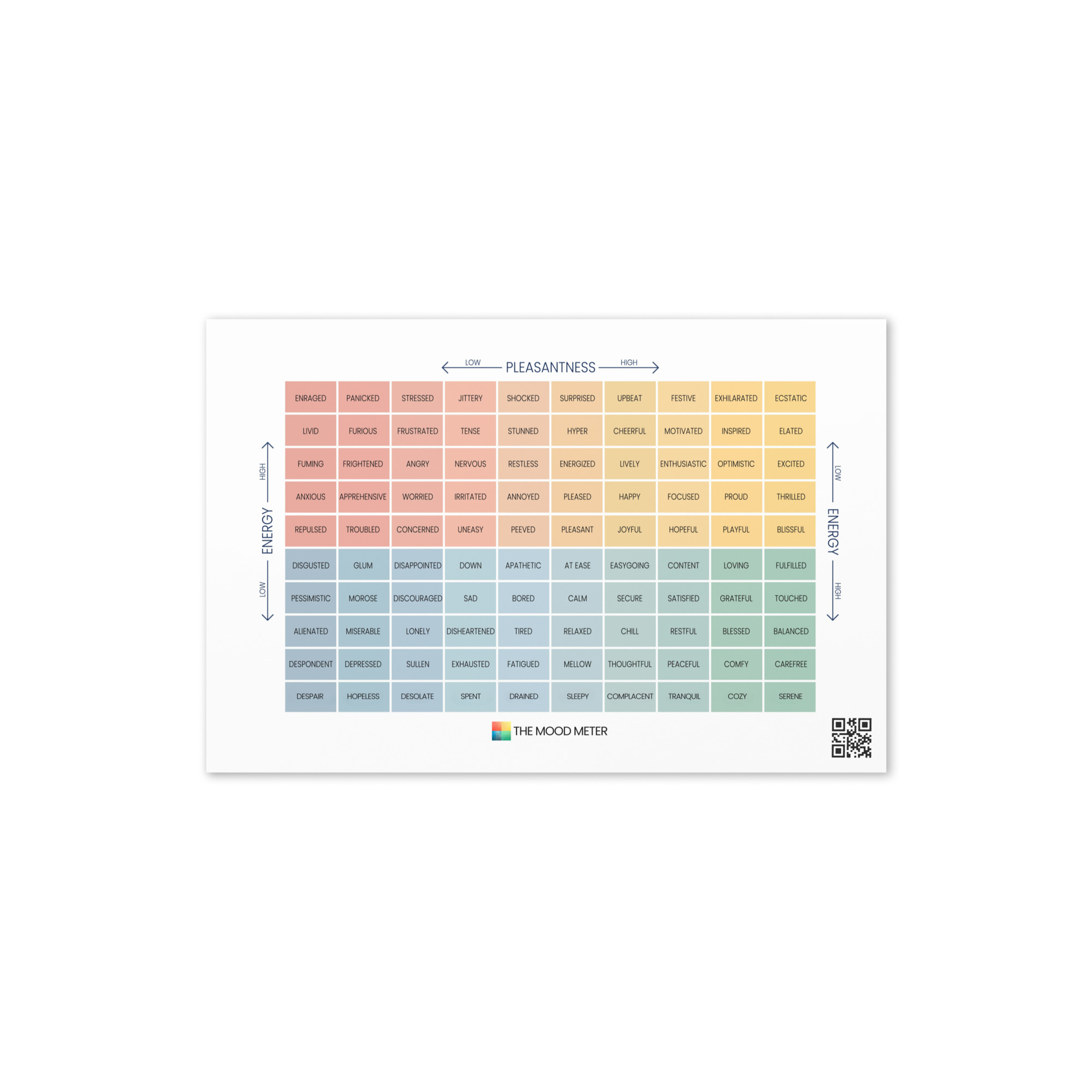
The Mood Meter is a powerful SEL tool used in classrooms and homes to help students and adults identify, understand, and regulate their emotions. It organizes emotions into four color-coded quadrants based on energy and pleasantness: Red, Blue, Yellow, and Green. Students learn to label their feelings more accurately, understand what triggers them, and choose strategies to shift into more productive emotional states. Using the Mood Meter daily fosters emotional vocabulary, enhances self-awareness, and strengthens communication between students and teachers. It also provides a shared language that supports calm, respectful interactions throughout the day.
SEL Improves Academic Outcomes
A transformed learning environment leads to stronger academic performance. When emotions are regulated and relationships are healthy, students can focus more deeply on lessons and retain information more easily. SEL supports executive functioning skills like decision-making, planning, and problem-solving. Research consistently shows that schools implementing SEL see improvements in grades, attendance, and overall classroom stability. To understand how emotional skills directly influence student success, explore How SEL Improves Academic Outcomes: Skills That Strengthen Student Achievement.
Creating a Sustainable SEL Culture
To fully transform learning environments, SEL must be woven into daily routines rather than treated as a one-time lesson. Schools that embrace SEL across all grade levels, family engagement programs, and classroom activities build a consistent emotional culture. Over time, students internalize these skills, leading to better behavior, higher resilience, and stronger readiness for real-world challenges.
SEL transforms learning environments by elevating emotional safety, boosting engagement, strengthening relationships, and supporting academic success. With tools like the Mood Meter, students gain the emotional clarity they need to thrive. When SEL becomes part of the school’s culture, learning becomes not just easier but more meaningful and joyful.
-
-

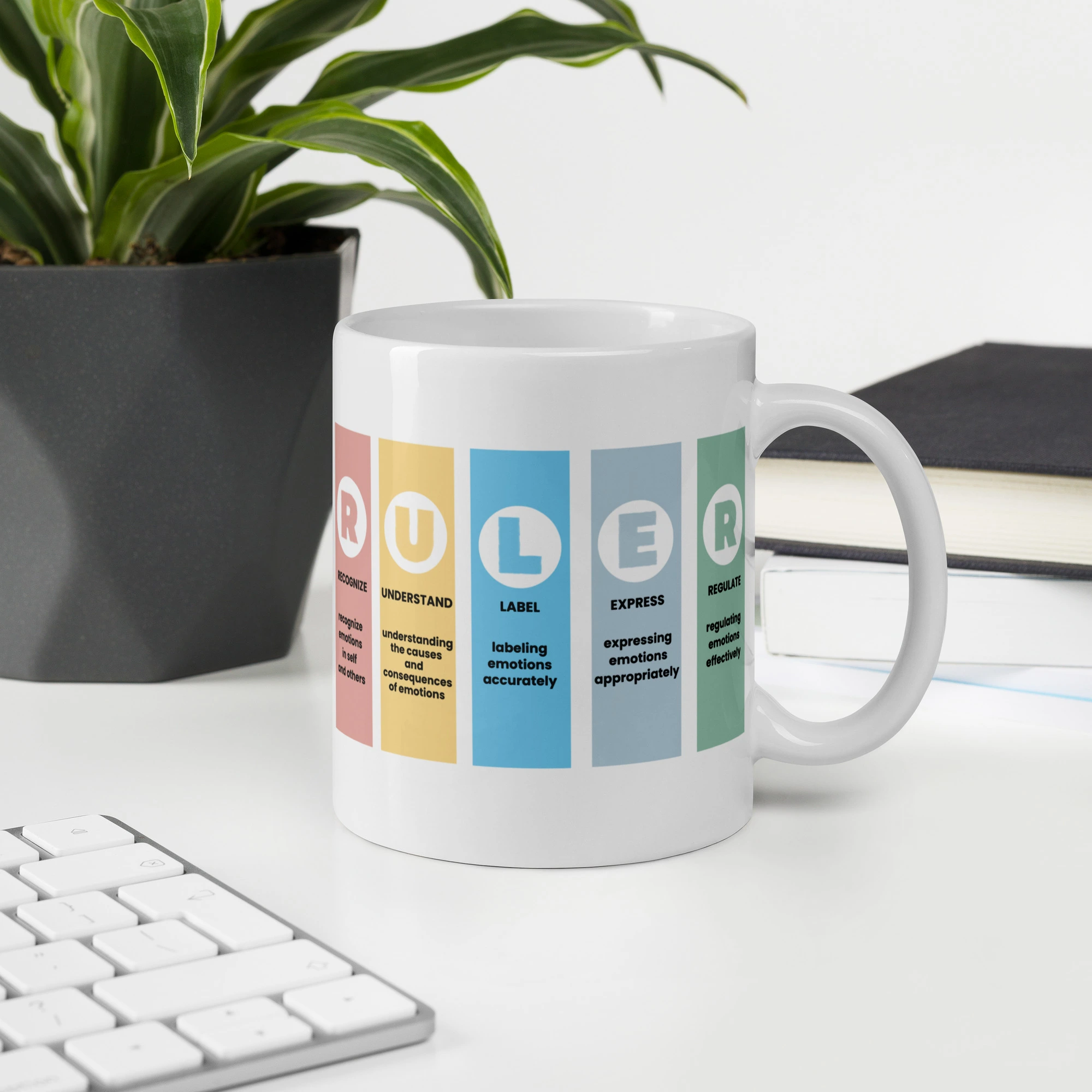
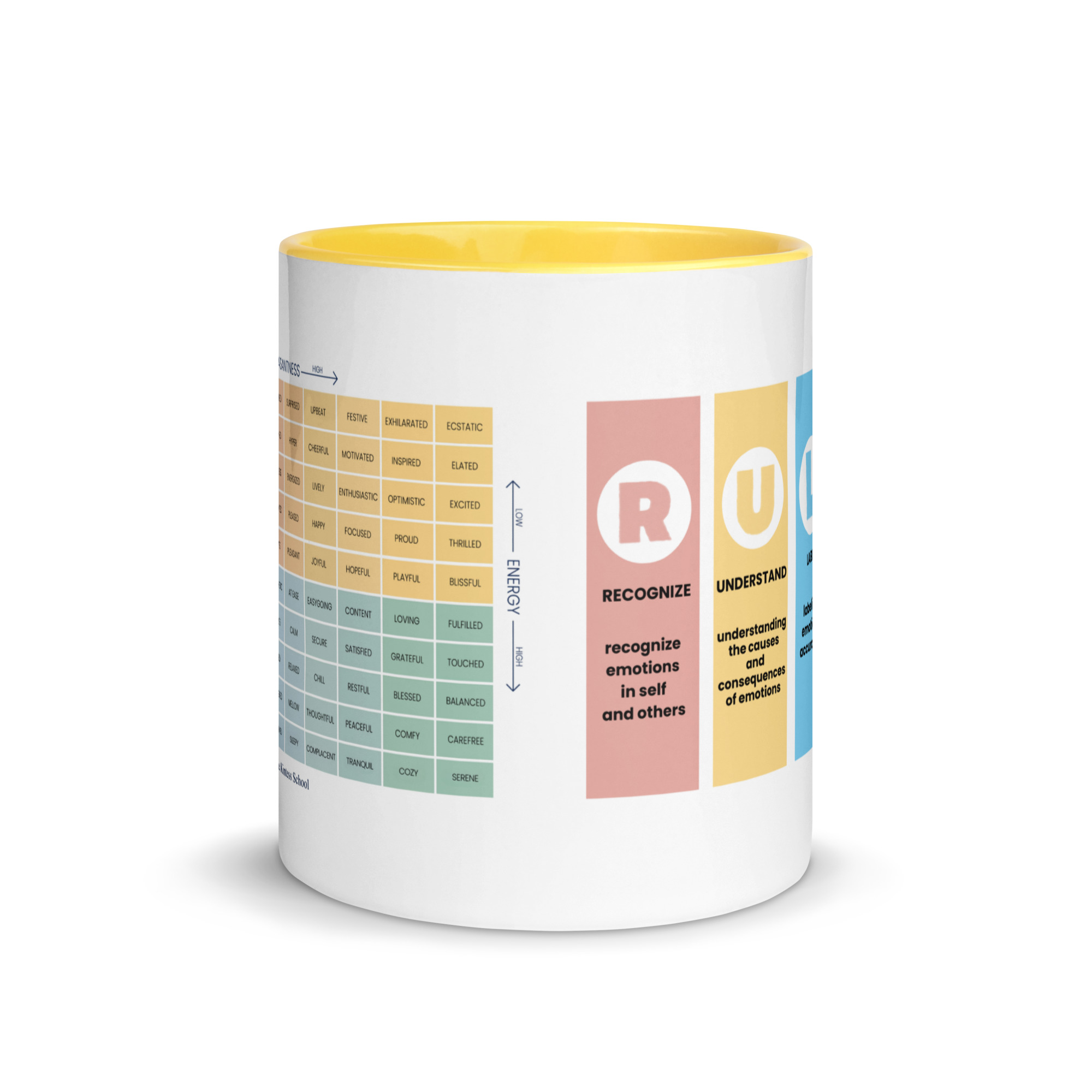
The Mood Meter & RULER White Glossy Ceramic Mug
Price range: $11.00 through $14.50 -
-
Bubble-Free Stickers – Durable High-Opacity Vinyl for Smooth Application
Price range: $7.50 through $11.00 -
-
The Mood Meter Greeting Card – Premium Paperboard with Envelope
Price range: $7.50 through $9.00