How SEL Creates Emotionally Safe and Supportive Classrooms
Social and Emotional Learning: Building Emotionally Safe Classrooms
A classroom is more than a physical space; it’s a social environment where students learn to connect, trust, and grow. Social and Emotional Learning (SEL) plays a central role in creating this emotionally safe environment by helping students and educators build empathy, communication skills, and self-awareness. When students feel emotionally secure, they are more open to collaboration, creativity, and academic success.
The Importance of Emotional Safety in Learning
Emotional safety is the foundation for effective learning. Students who feel accepted and respected are more likely to take academic risks, ask questions, and express their opinions. SEL cultivates this sense of safety by teaching essential emotional and interpersonal skills. It helps students manage stress, resolve conflicts constructively, and navigate challenges with confidence.
Teachers who intentionally integrate SEL principles set a tone of kindness and respect. They create predictable routines, model empathy, and ensure every voice in the classroom is heard. This stability allows students to thrive emotionally and intellectually.
Core SEL Competencies That Support Safe Classrooms
The five core competencies of SEL, self-awareness, self-management, social awareness, relationship skills, and responsible decision-making shape a culture of understanding and inclusion.
Self-awareness enables students to recognize their emotions and triggers.
Self-management guides them in handling stress and impulses effectively.
Social awareness promotes empathy toward others from different backgrounds.
Relationship skills encourage communication and teamwork.
Responsible decision-making helps students act thoughtfully and ethically.
Together, these skills transform classrooms into safe zones of learning and mutual respect.
How the Mood Meter Supports Emotional Safety
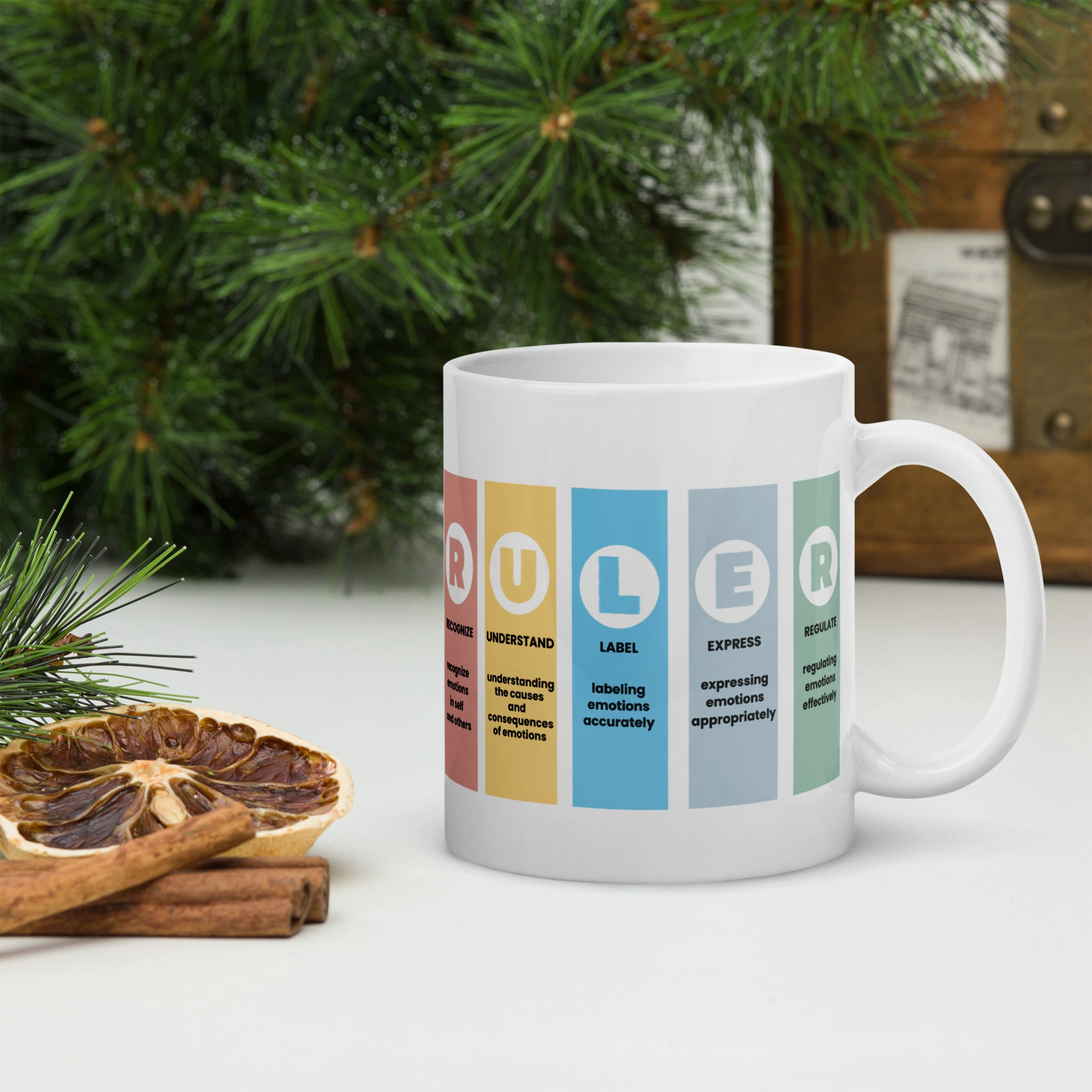
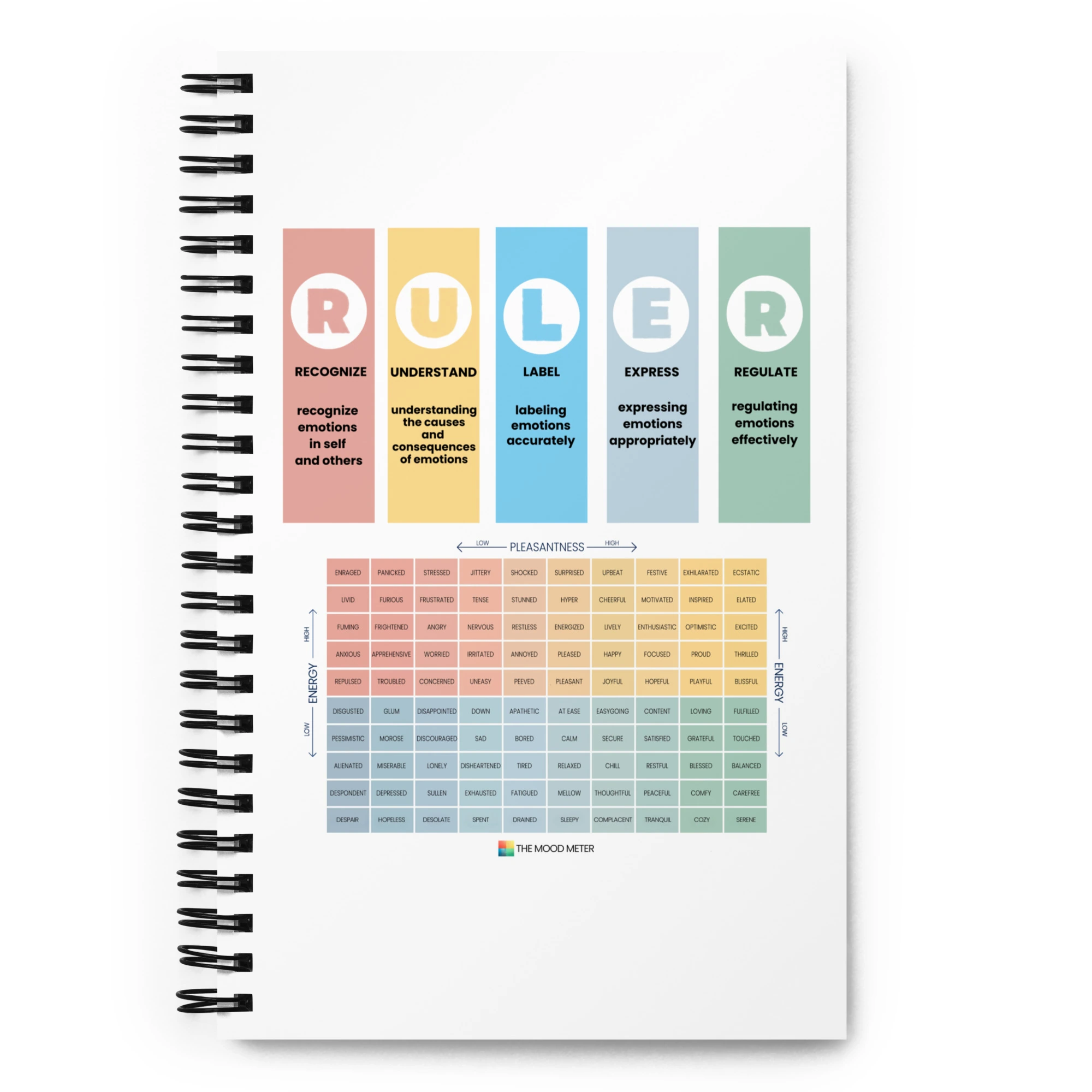
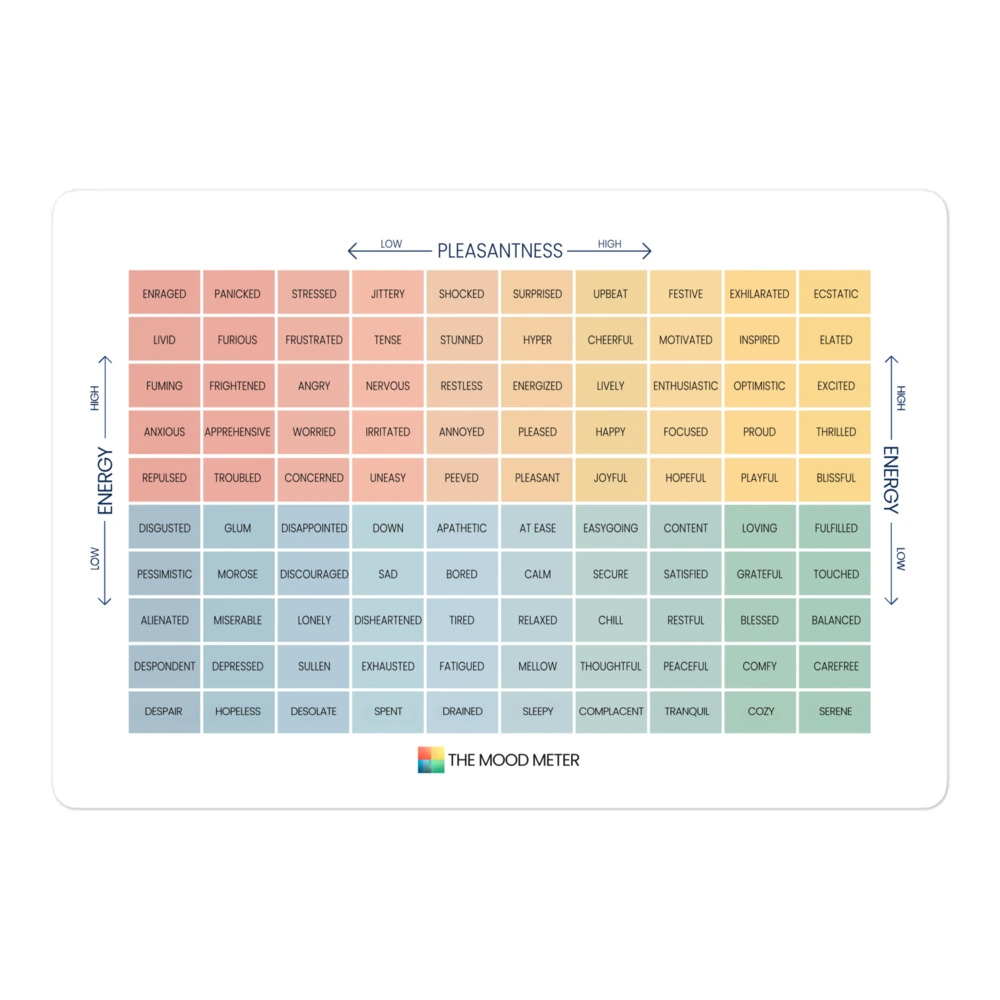
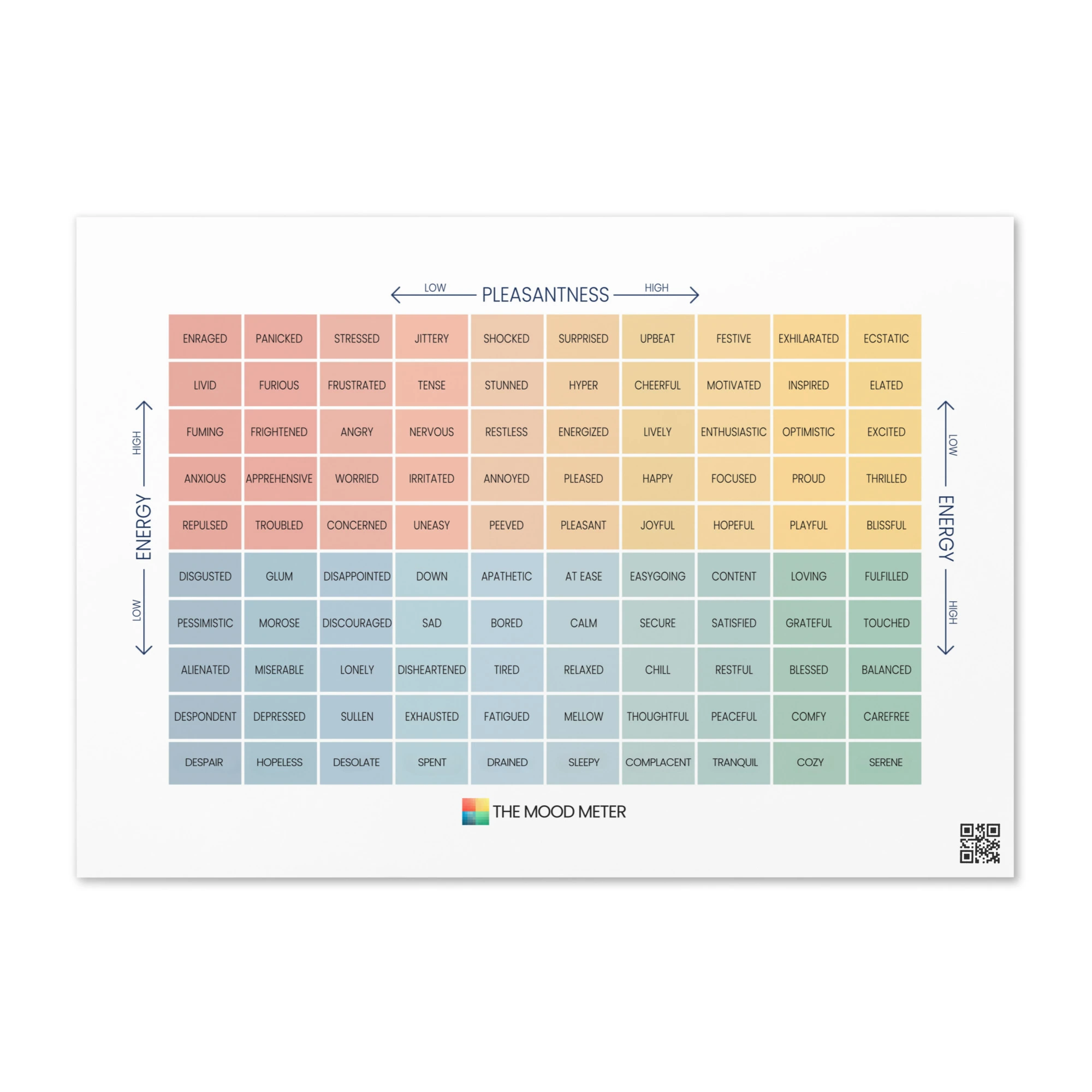
The Mood Meter, developed as part of the RULER approach to SEL, is a visual tool that helps students recognize and name their emotions using two dimensions: energy and pleasantness. By identifying where they fall on the Mood Meter, high or low energy, positive or negative feelings, students learn to express their emotions accurately and regulate them appropriately.
Teachers often begin the day by checking in with students on the Mood Meter, fostering emotional awareness and empathy. Over time, this consistent practice encourages self-reflection, reduces emotional outbursts, and creates an atmosphere of mutual understanding. It reminds students that all emotions are valid and that awareness is the first step toward emotional balance.
Creating a Culture of Empathy and Connection
When SEL practices and tools like the Mood Meter are embedded in the school culture, empathy becomes a norm. Students start to notice and respond to others’ feelings, reducing instances of bullying or isolation. Group activities, emotional check-ins, and reflection exercises strengthen classroom bonds and promote collaboration over competition.
Teachers also benefit from emotionally safe classrooms. They experience improved relationships with students, fewer behavioral challenges, and higher levels of job satisfaction. A supportive emotional climate helps educators maintain patience, compassion, and consistency in their teaching practices.
Lasting Impact on Student Well-Being and Achievement
Emotionally safe classrooms aren’t just more pleasant, they’re more effective. SEL has been linked to improved academic outcomes, better emotional regulation, and stronger relationships among students and teachers. Over time, students develop resilience, confidence, and empathy, skills that extend far beyond the classroom walls.
By combining SEL frameworks with tools like the Mood Meter, educators nurture both the heart and the mind, preparing students to succeed not only in academics but also in life.
-
-

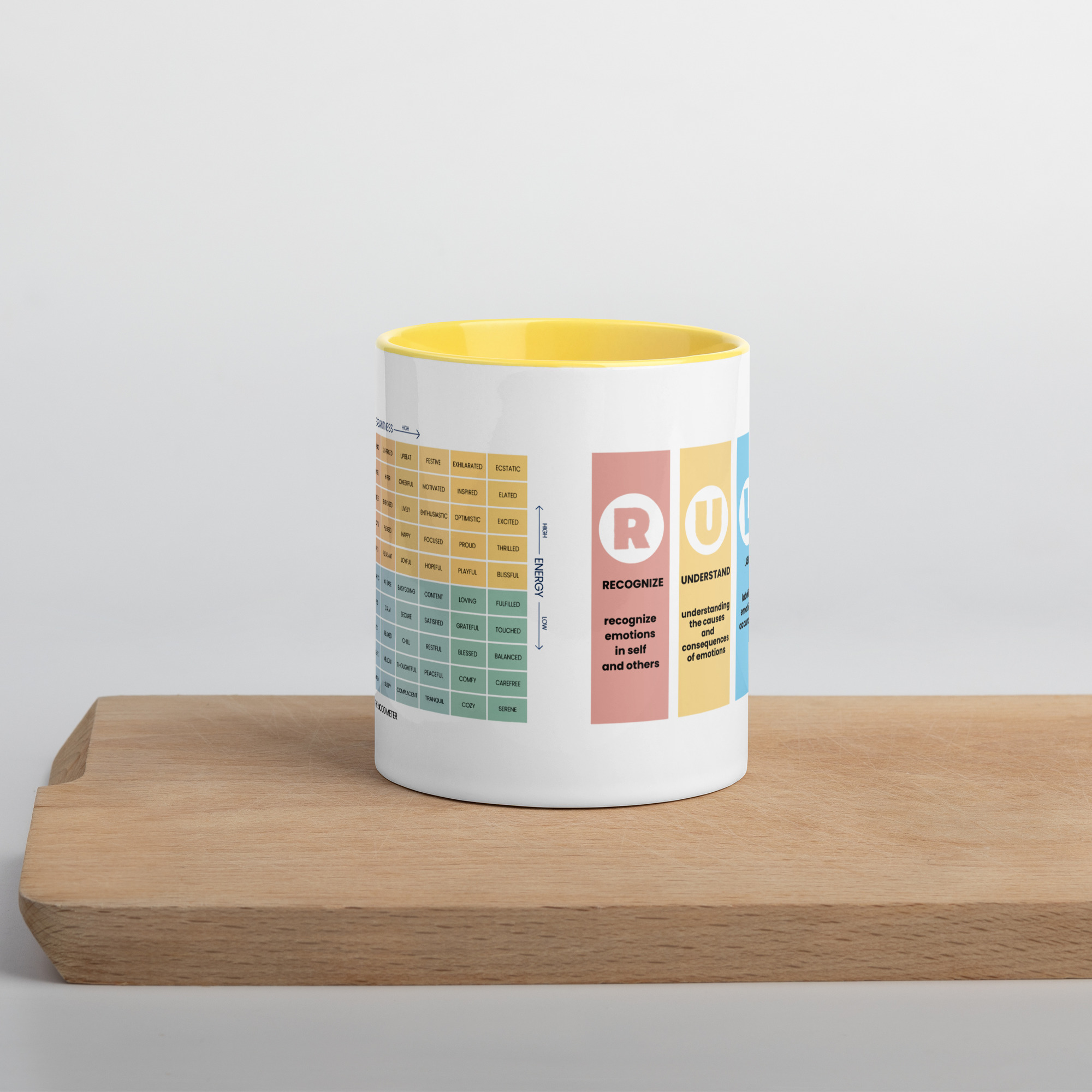
The Mood Meter & RULER White Glossy Ceramic Mug
Price range: $11.00 through $14.50 -
-
Bubble-Free Stickers – Durable High-Opacity Vinyl for Smooth Application
Price range: $7.50 through $11.00 -

-
The Mood Meter Greeting Card – Premium Paperboard with Envelope
Price range: $7.50 through $9.00