How Emotion Awareness Improves Communication
Effective communication is not just about choosing the right words. It is deeply influenced by emotions, both the emotions we experience internally and those present in the people we communicate with. Emotion awareness, the ability to recognize and understand emotions as they arise, plays a critical role in improving how we listen, speak, and respond in everyday interactions.
Understanding Emotion Awareness
Emotion awareness involves noticing what we are feeling, naming those emotions accurately, and understanding how they affect our behavior. Many communication breakdowns occur not because of what is said, but because emotions are unrecognized or misunderstood.
When people lack emotional awareness, they may react defensively, shut down, or speak impulsively. Emotion awareness creates space between feeling and response, allowing communication to become more intentional and respectful.
Emotion Awareness Improves Listening
Listening is one of the most important communication skills, yet it is often disrupted by emotional reactions. When emotions such as frustration, anxiety, or impatience are present, listening becomes selective or distorted.
Emotion awareness helps individuals notice these internal reactions without acting on them. This allows for deeper listening, greater curiosity, and a more accurate understanding of what others are trying to communicate.
Clear Expression Starts With Emotional Clarity
Many people struggle to express themselves clearly because they are unsure of what they are feeling. Emotion awareness supports communication by helping individuals identify the emotion behind their message.
When people can say, “I feel overwhelmed,” instead of reacting with irritation or silence, communication becomes clearer and more constructive. Emotional clarity reduces misunderstandings and helps others respond appropriately.
Reducing Reactivity in Conversations
Strong emotions often trigger automatic reactions such as defensiveness, withdrawal, or raised voices. These reactions can quickly escalate conflict.
Emotion awareness interrupts this cycle. By recognizing emotional signals early, such as tension in the body or a spike in emotional energy, individuals can pause, regulate, and choose a response that supports productive communication rather than conflict.
Building Empathy Through Emotional Awareness
Empathy depends on the ability to recognize emotions in others. Emotion awareness helps people tune into emotional cues such as tone of voice, facial expressions, and body language.
When individuals are emotionally aware, they are better able to validate others’ feelings and respond with understanding. This strengthens relationships and creates an environment where people feel heard and respected.
Emotion Awareness Supports Difficult Conversations
Challenging conversations often involve discomfort, disagreement, or vulnerability. Without emotional awareness, these conversations can quickly become tense or avoidant.
Emotion awareness allows individuals to stay present with discomfort instead of avoiding it. By acknowledging emotion, both their own and others’, people can navigate difficult conversations with honesty and care, leading to more meaningful outcomes.
The Role of Emotion Awareness in Conflict Resolution
Conflict is a natural part of communication. Problems arise when emotions drive the interaction without awareness.
Emotion awareness helps individuals identify the emotions underlying conflict, such as fear, disappointment, or unmet needs. Addressing these emotions directly supports resolution and prevents recurring misunderstandings.
Developing Emotion Awareness Over Time
Emotion awareness is a skill that develops with practice. Regular reflection, emotional check-ins, and curiosity about feelings help build this capacity.
As emotion awareness grows, communication becomes more authentic, respectful, and effective. People learn not just how to speak, but how to connect.
Why Emotion Awareness Matters for Everyday Communication
Strong communication is built on emotional understanding. Emotion awareness improves listening, clarity, empathy, and conflict resolution.
By learning to recognize and work with emotions, individuals strengthen their ability to communicate in ways that build trust, connection, and understanding, skills that matter in every area of life.
How the Mood Meter Strengthens Emotion-Aware Communication
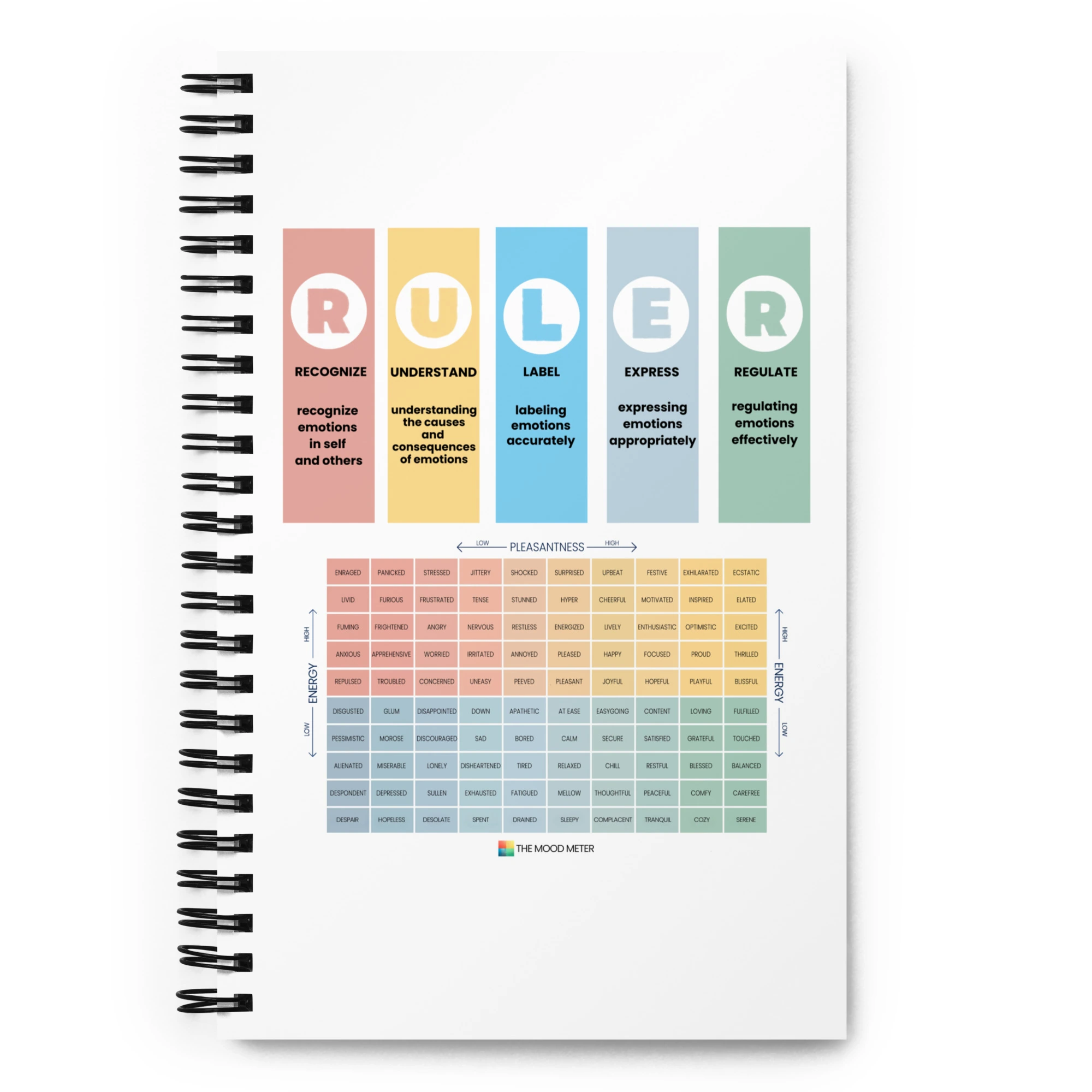
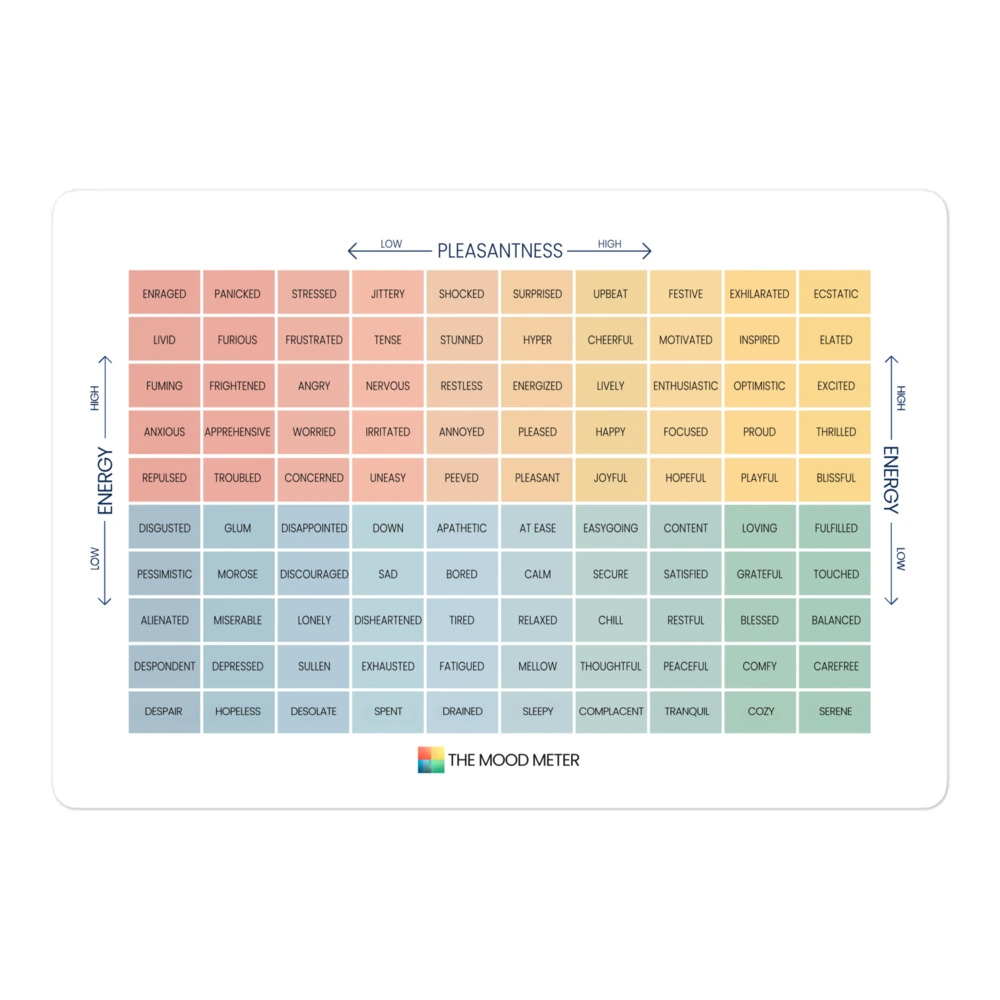
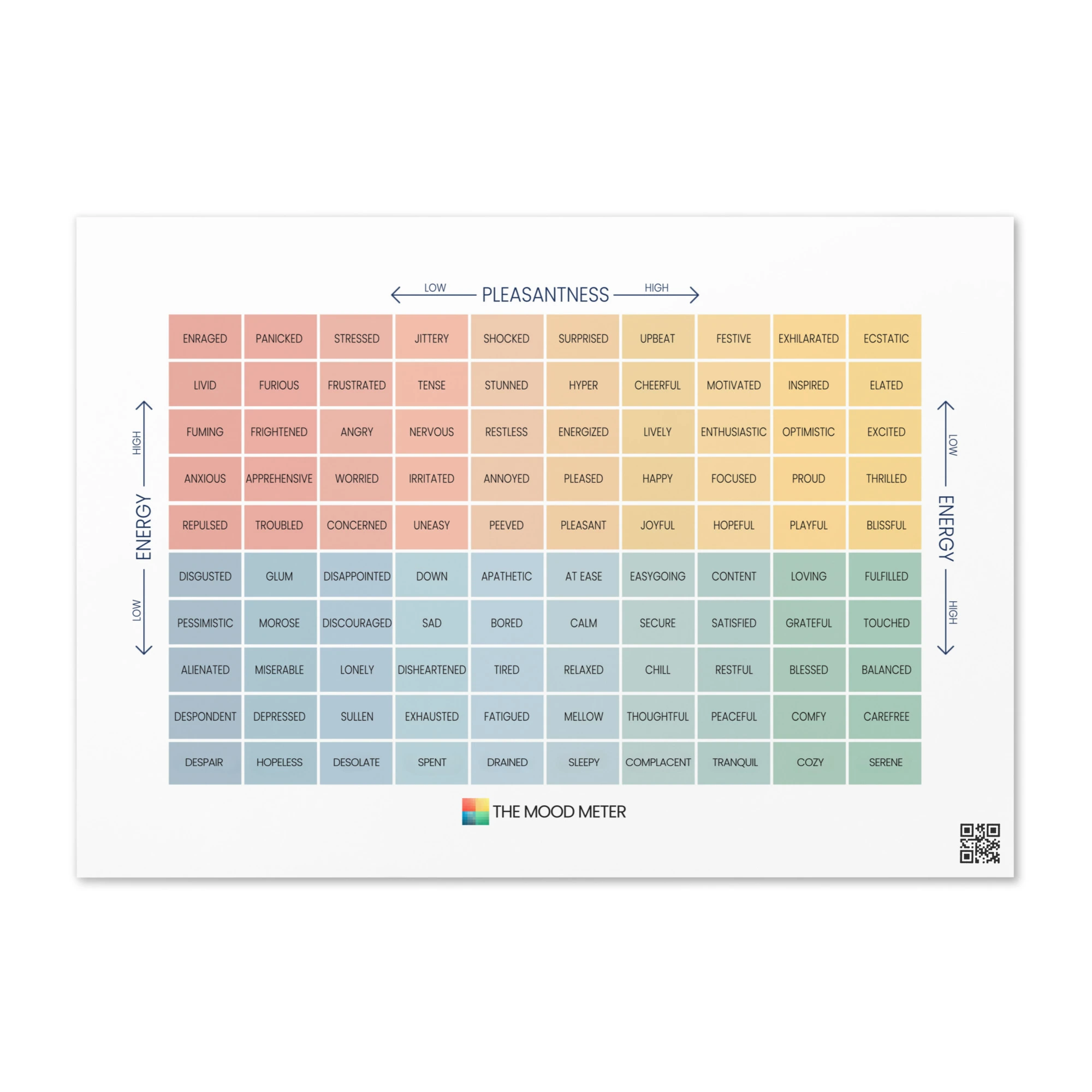
The Mood Meter strengthens emotion awareness by helping individuals recognize and name emotions based on emotional energy and pleasantness. By using the Mood Meter framework as a shared language for emotions, individuals gain clarity about how feelings influence communication. This awareness supports thoughtful responses, reduces misinterpretation, and improves both listening and expression in personal and professional relationships.
-

-

The Mood Meter & RULER White Glossy Ceramic Mug
Price range: $11.00 through $14.50 -
-
Bubble-Free Stickers – Durable High-Opacity Vinyl for Smooth Application
Price range: $7.50 through $11.00 -

-
The Mood Meter Greeting Card – Premium Paperboard with Envelope
Price range: $7.50 through $9.00