Harnessing Emotional Awareness for a Healthier, More Connected Life
Understanding our emotions is one of the most powerful skills we can develop for better mental health, stronger relationships, and clearer decision-making. We explore how emotional awareness, supported by research-driven strategies and modern digital tools, helps us decode our feelings, regulate stress responses, and build meaningful connections with others. As emotional health becomes a growing priority worldwide, access to evidence-based approaches empowers individuals and communities to cultivate resilience and thrive.
Why Emotional Awareness Matters for Everyday Well-Being
Emotions influence how we think, learn, behave, and connect. When we understand what we feel and why, we can shift from reacting impulsively to responding intentionally. This awareness reduces daily stress, sharpens focus, and strengthens how we communicate. Research has shown that individuals who regularly identify and label their emotions with precision experience lower anxiety, better problem-solving abilities, and improved long-term health outcomes.
Schools, workplaces, and families increasingly integrate emotional-intelligence practices to foster more supportive environments. These efforts promote empathy, reduce conflict, and create space for people to express feelings in healthier, more constructive ways.
Digital Tools Transforming Emotional Health Support
Advancements in technology make emotional introspection more accessible than ever. Digital platforms allow users to track mood patterns, reflect on experiences, and build emotional vocabulary. These tools rely on psychological research to guide users toward healthier responses and coping strategies. By capturing data over time, individuals can identify triggers, monitor trends, and gain valuable insight into their emotional rhythms.
Such applications also promote community well-being. Aggregated emotional data, while fully anonymized, helps researchers understand how populations feel during crises, transitions, and cultural shifts. These insights inform mental-health initiatives, behavioral-science studies, and large-scale support strategies.
How Emotional Check-Ins Build Stronger Mental Habits
The simple practice of checking in with oneself builds emotional clarity. When we pause to recognize what we’re feeling, our brain shifts from automatic reaction to mindful awareness. This change improves emotional regulation by reducing the intensity of negative emotions and amplifying positive ones. Frequent check-ins support better sleep, improved concentration, and enhanced motivation.
These practices also deepen our empathy. When we learn to navigate our internal experiences, we become more attuned to the feelings of others, fostering healthier relationships and more supportive social connections.
The Mood Meter: A Practical Tool for Understanding Feelings
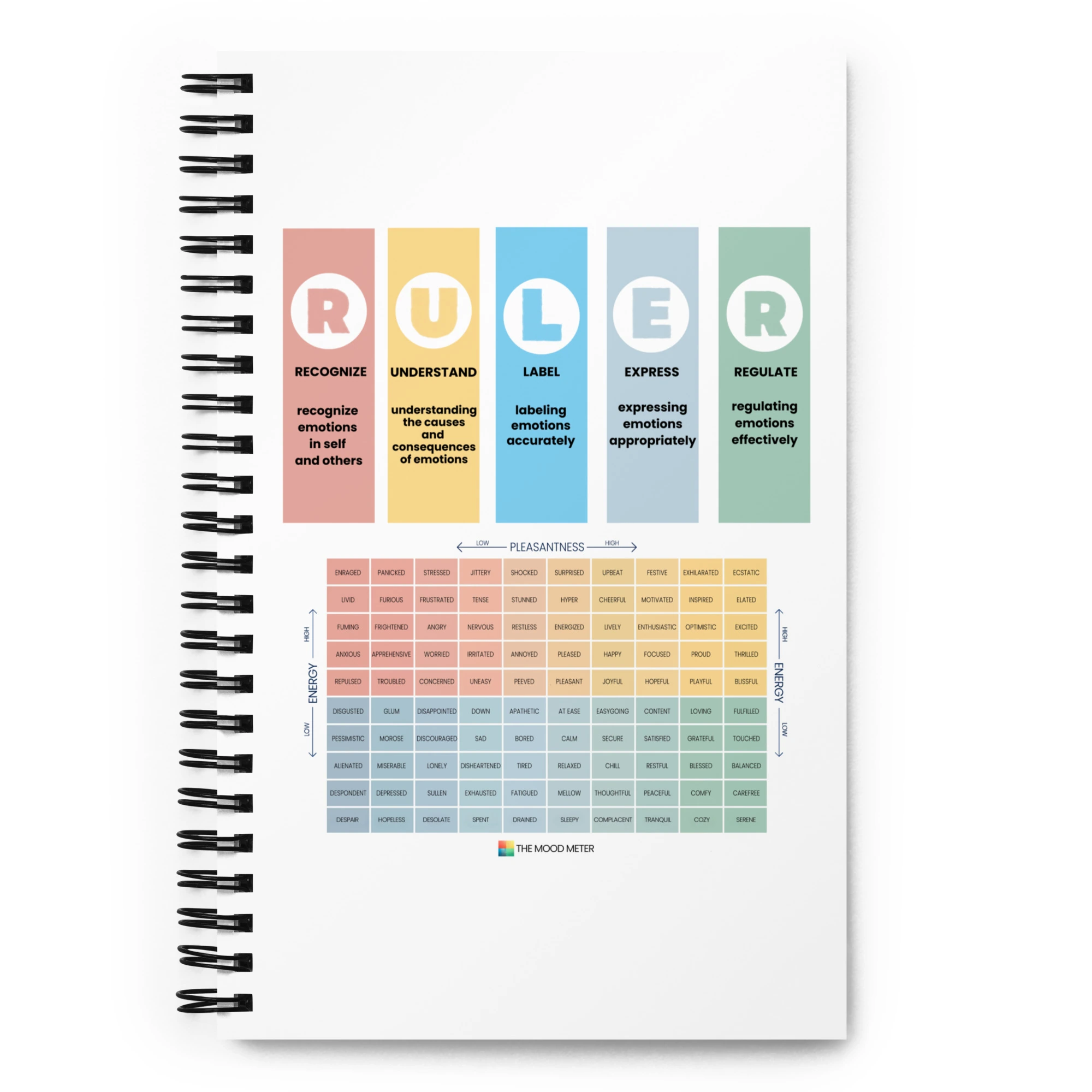
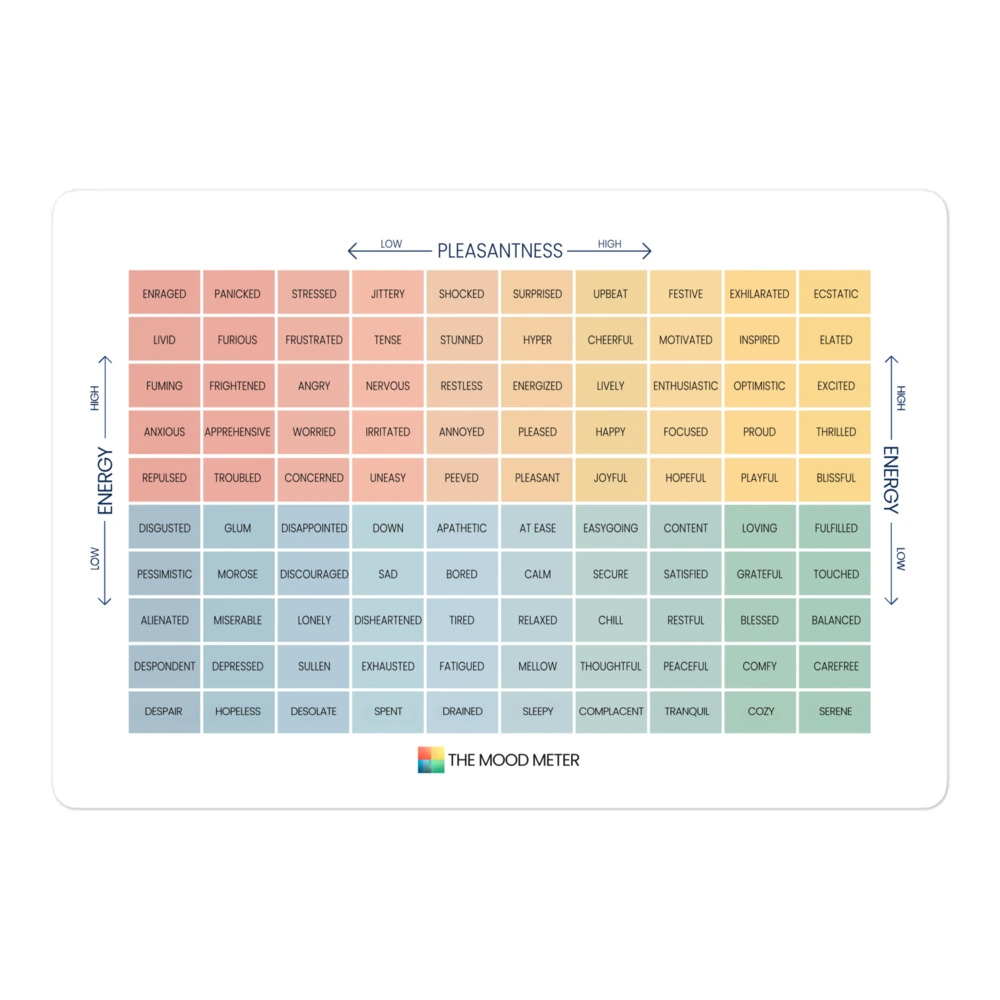
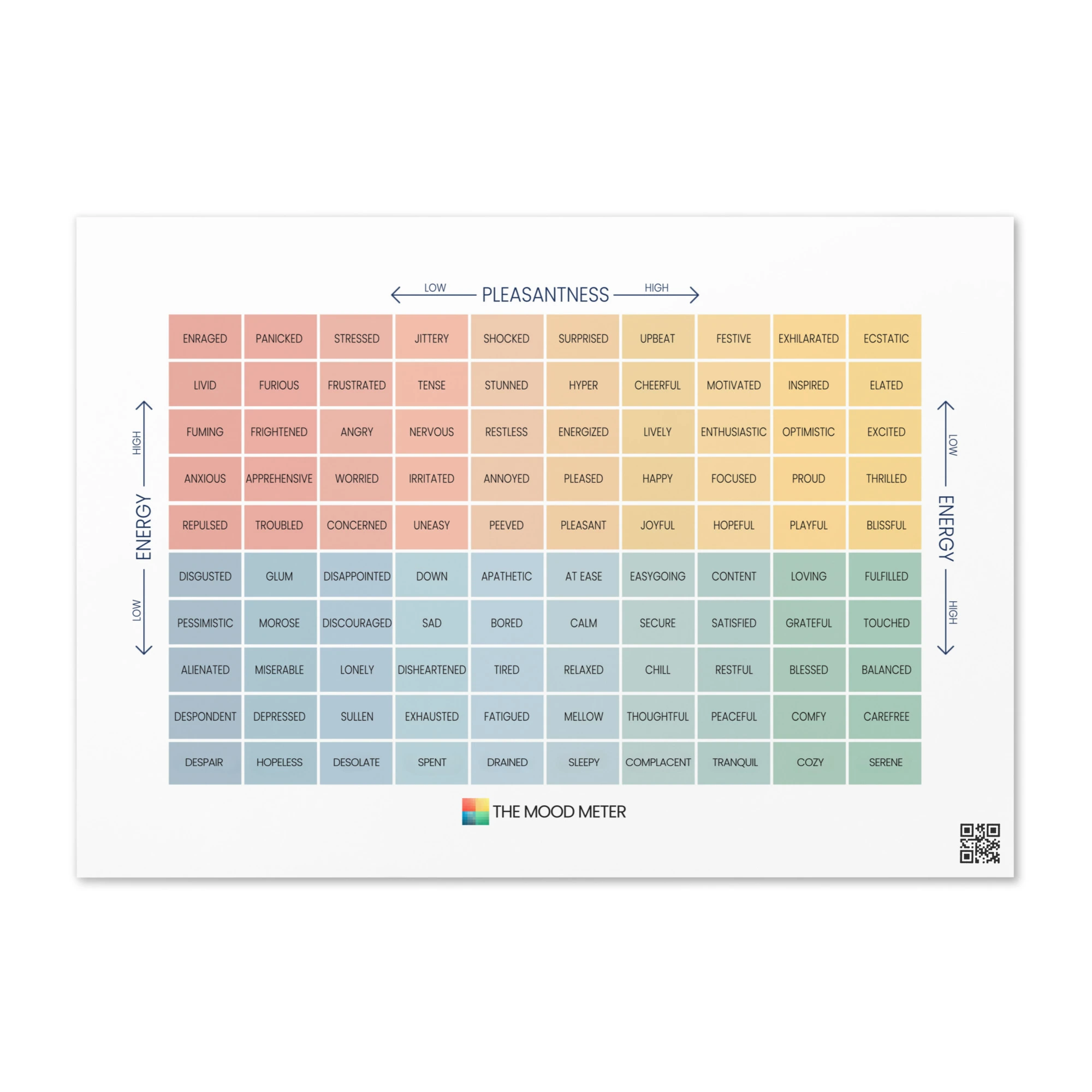
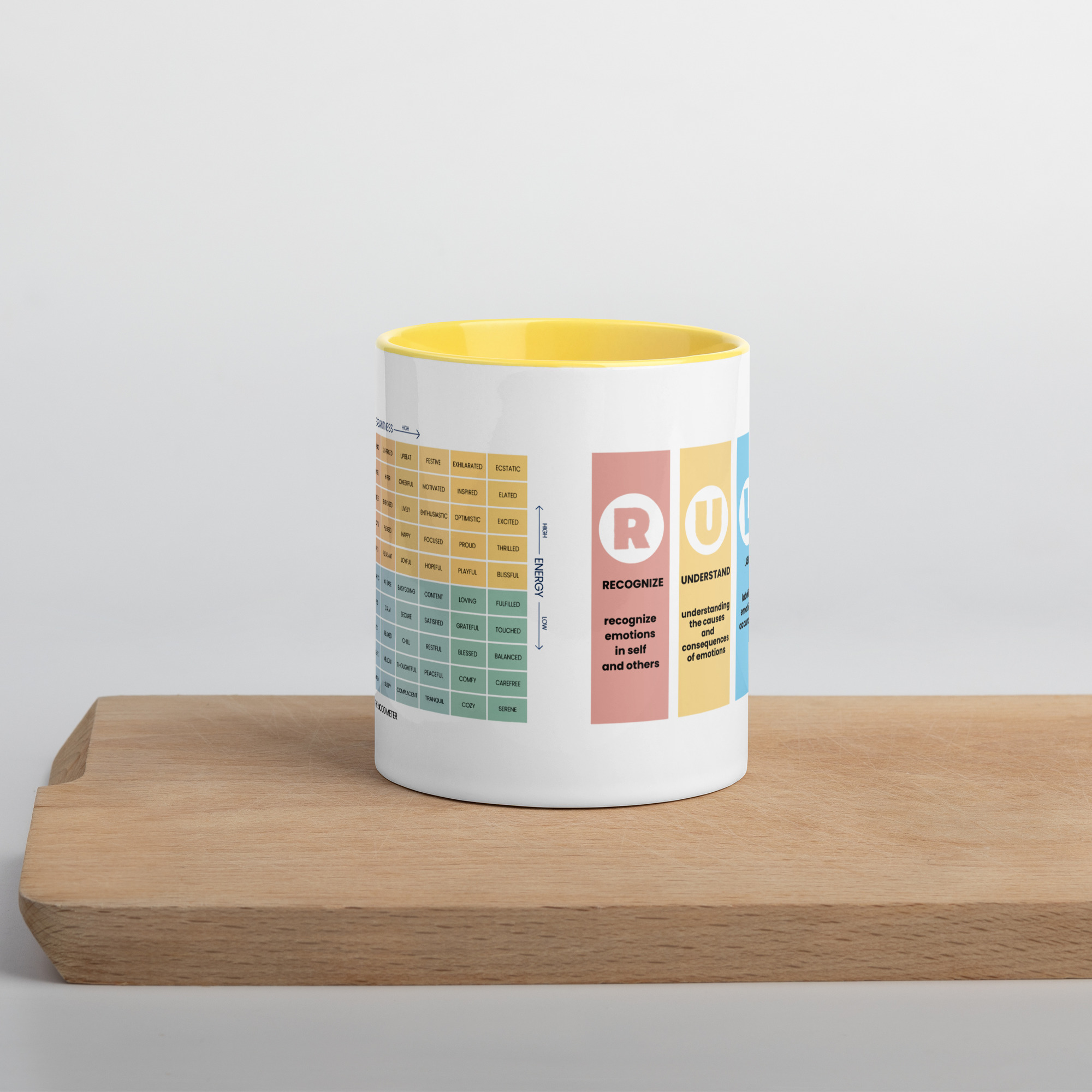
The Mood Meter is an evidence-based framework that helps users identify and understand emotions with greater accuracy. It maps feelings across two dimensions, energy and pleasantness, creating four color-coded quadrants that represent different emotional states. By locating where their feelings fall, individuals gain clarity about what they’re experiencing and why. The process encourages reflection, promotes emotional vocabulary development, and guides healthier responses. Over time, using the Mood Meter strengthens self-awareness and supports emotional regulation across both personal and professional settings.
Emotional Intelligence in Schools and Workplaces
Educational institutions and organizations benefit from integrating emotional-awareness tools into their culture. Students who develop emotional literacy demonstrate higher academic engagement, fewer behavioral issues, and stronger interpersonal skills. Workforces that support emotional health experience improved teamwork, reduced burnout, and greater overall productivity.
Administrators and leaders who prioritize emotional understanding build environments where individuals feel valued, respected, and empowered to succeed.
Using Research-Backed Strategies to Improve Emotional Resilience
Identifying emotions is only the first step; how we respond determines long-term outcomes. Evidence-based strategies, including cognitive reframing, mindful breathing, and constructive expression, help individuals navigate even the most difficult experiences. Developing healthy emotional resilience allows people to adapt to stress, recover from setbacks more quickly, and maintain stability during uncertainty.
Organizations and communities that adopt these strategies create cultures of stability and support. Encouraging transparent communication and building emotional vocabulary becomes a shared investment in well-being.
A Look at Emotional Awareness in Action
The widespread adoption of mood-tracking and emotional-intelligence practices highlights a growing recognition of their value. Individuals now use emotional tools to improve family dynamics, strengthen partnerships, and manage their daily lives with greater intention. The insights gained from reflection shape better decisions, financial, professional, and personal. To explore one of the most impactful tools supporting emotional awareness, learn more about The How We Feel App: harnessing emotional awareness for a healthier mind.
Professionals in healthcare, education, and social services increasingly rely on emotional-awareness data to understand community needs. These insights help guide wellness programs, policy decisions, and outreach strategies that support broad emotional well-being.
Building a More Emotionally Connected Future
Emotional awareness enriches every part of life. By combining scientific research with accessible tools and daily reflective habits, individuals build the skills needed to manage stress, navigate challenges, and lead healthier and more connected lives. As more communities adopt these practices, society moves toward a future where emotional understanding becomes a foundational element of well-being.
-
-

The Mood Meter & RULER White Glossy Ceramic Mug
Price range: $11.00 through $14.50 -
-
Bubble-Free Stickers – Durable High-Opacity Vinyl for Smooth Application
Price range: $7.50 through $11.00 -

-
The Mood Meter Greeting Card – Premium Paperboard with Envelope
Price range: $7.50 through $9.00