Enhancing Student Engagement and Motivation Through SEL Strategies
Enhancing Student Engagement and Motivation
Student engagement and motivation are the driving forces behind meaningful learning. When students feel connected, capable, and emotionally supported, they participate more actively, stay focused longer, and approach challenges with curiosity rather than fear. Enhancing motivation is not simply about rewards or discipline; it’s about creating an environment where students feel seen, valued, and encouraged to bring their full selves into the classroom.
Understanding What Drives Engagement
Engagement goes beyond compliance. Truly engaged students show interest, ask questions, collaborate with peers, and take ownership of their learning. Motivation plays a central role in this process. When students believe that their efforts matter and that they are capable of improvement, they push themselves further. A learning environment built on trust, emotional safety, and healthy communication is essential for developing this deeper level of engagement.
The Role of SEL in Student Motivation
Social and Emotional Learning (SEL) provides the foundation for sustained motivation. Through SEL, students develop self-awareness, self-management, and responsible decision-making skills that help them understand challenges, manage frustration, and stay resilient. When learners can regulate their emotions, they are more likely to take risks, participate in discussions, and stay engaged even when tasks become difficult. SEL also strengthens social awareness, helping students feel more connected to their peers and teachers, which boosts classroom participation.
Emotional Safety Fuels Academic Curiosity
Students are more willing to engage when they feel emotionally safe. Fear of failure, embarrassment, or judgment can shut down curiosity. SEL-focused classrooms encourage reflection, empathy, and supportive communication. Teachers who use SEL strategies model patience and understanding, creating a space where mistakes are part of learning. This safety encourages students to speak up, share ideas, and explore new concepts without fear.
Building Intrinsic Motivation
Intrinsic motivation grows when students feel a sense of autonomy, competence, and purpose. SEL helps students identify personal goals, understand their strengths, and build confidence in their abilities. When learners see how their emotions influence their performance, they connect more deeply with their work. They begin to take pride in their progress, stay committed to tasks, and understand the value of perseverance.
The Mood Meter: Supporting Daily Engagement
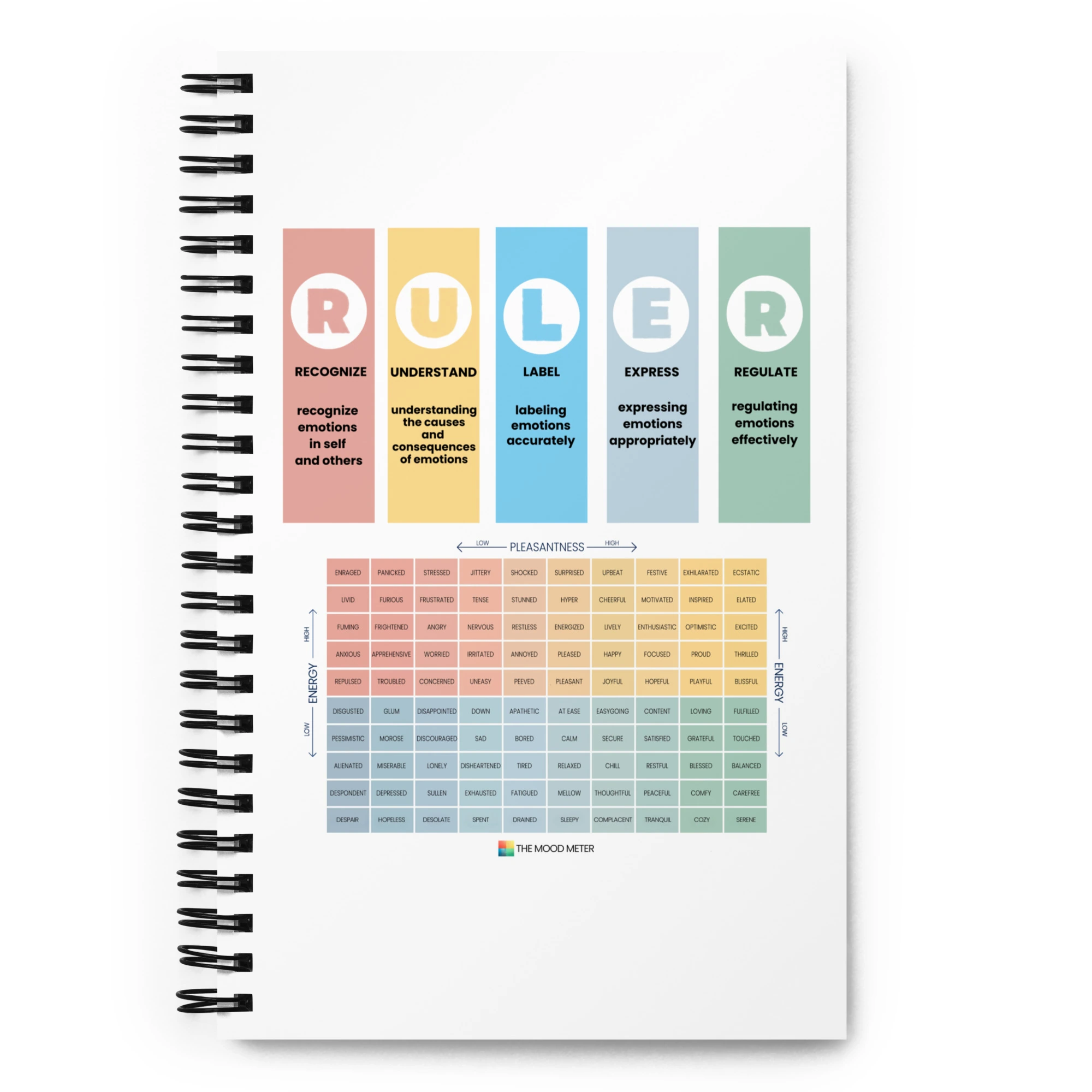
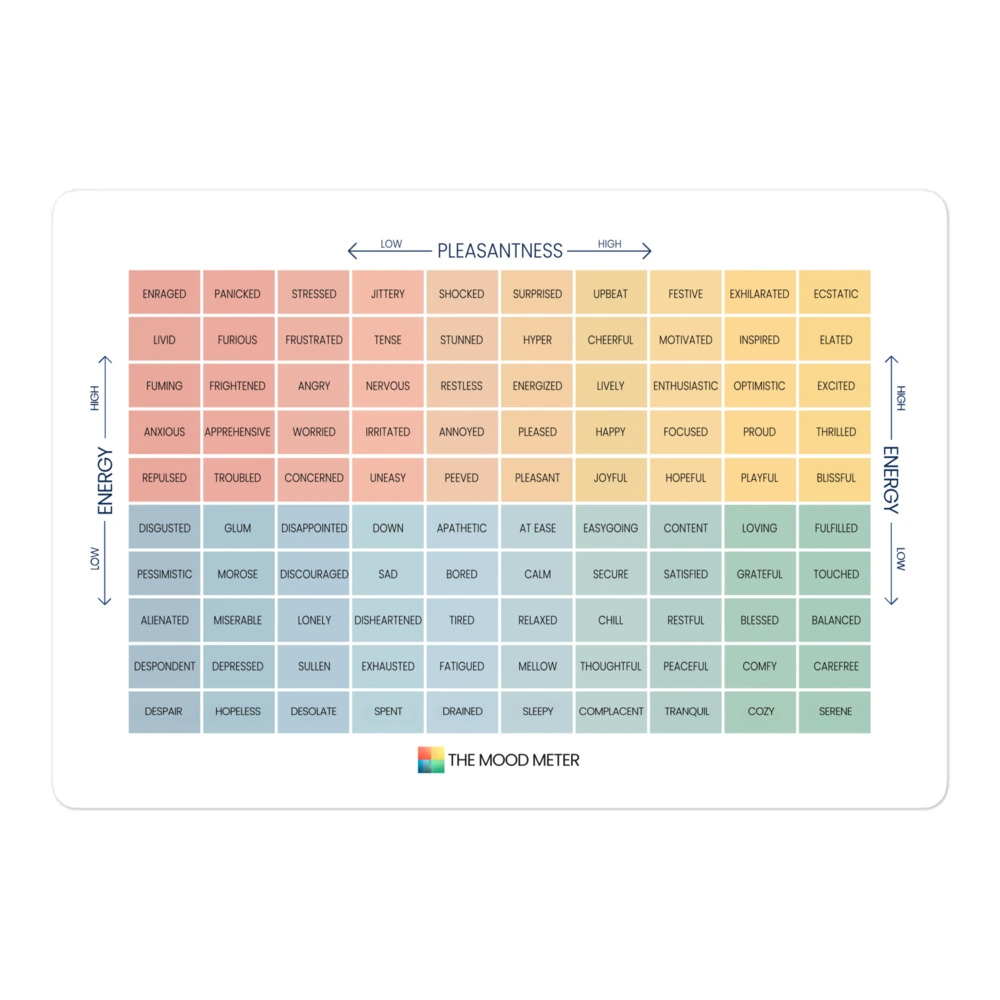
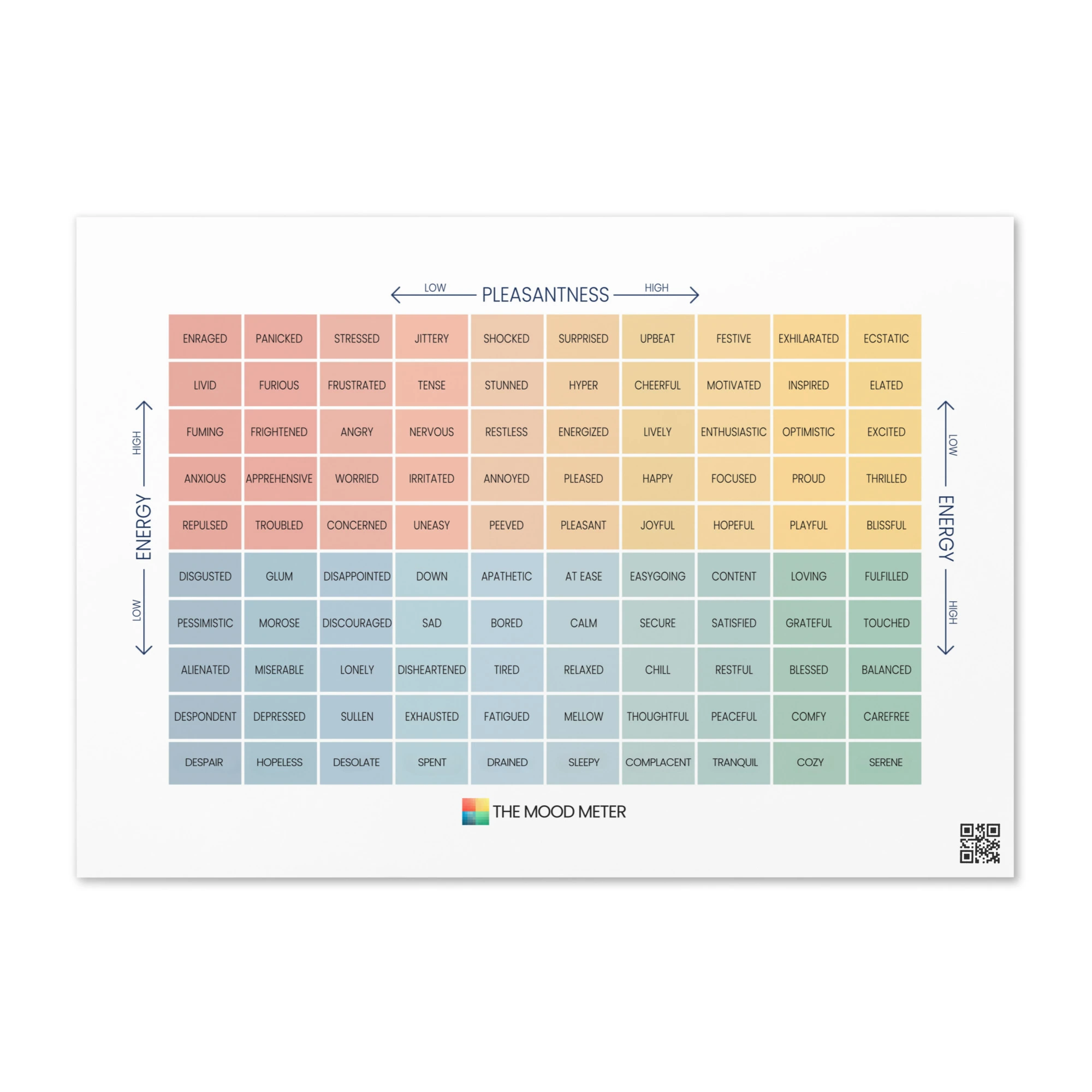
The Mood Meter is a powerful SEL tool that helps students identify, label, and understand their emotions. Using four colored quadrants based on energy and pleasantness, the Mood Meter makes emotional awareness simple and visual. When students check in with the Mood Meter regularly, they recognize how their feelings influence their focus, motivation, and participation. They learn strategies to shift from low-energy or uncomfortable states into more productive ones, improving their readiness to learn. Over time, this emotional clarity increases motivation, reduces disengagement, and strengthens overall classroom involvement.
Strengthening Relationships to Increase Engagement
Strong relationships between teachers and students directly support motivation. When students feel their teachers understand and care about them, they participate more freely and persevere through challenges. SEL helps educators develop empathy, communicate more effectively, and build trust-based connections. Students who feel valued are more likely to engage deeply with both academic content and classroom community.
Creating a Supportive and Collaborative Classroom Climate
A positive classroom climate encourages teamwork, respectful dialogue, and shared responsibility for learning. SEL helps students collaborate without fear of conflict, manage disagreements constructively, and celebrate each other’s successes. This supportive environment boosts engagement by making learning feel like a shared journey rather than an individual struggle.
Long-Term Benefits of Motivated Learners
Students who remain engaged and motivated are more likely to excel academically, develop long-lasting learning habits, and build confidence in their abilities. SEL ensures that students have the emotional tools needed to stay engaged not just for a day, but throughout their entire educational experience.
-
-

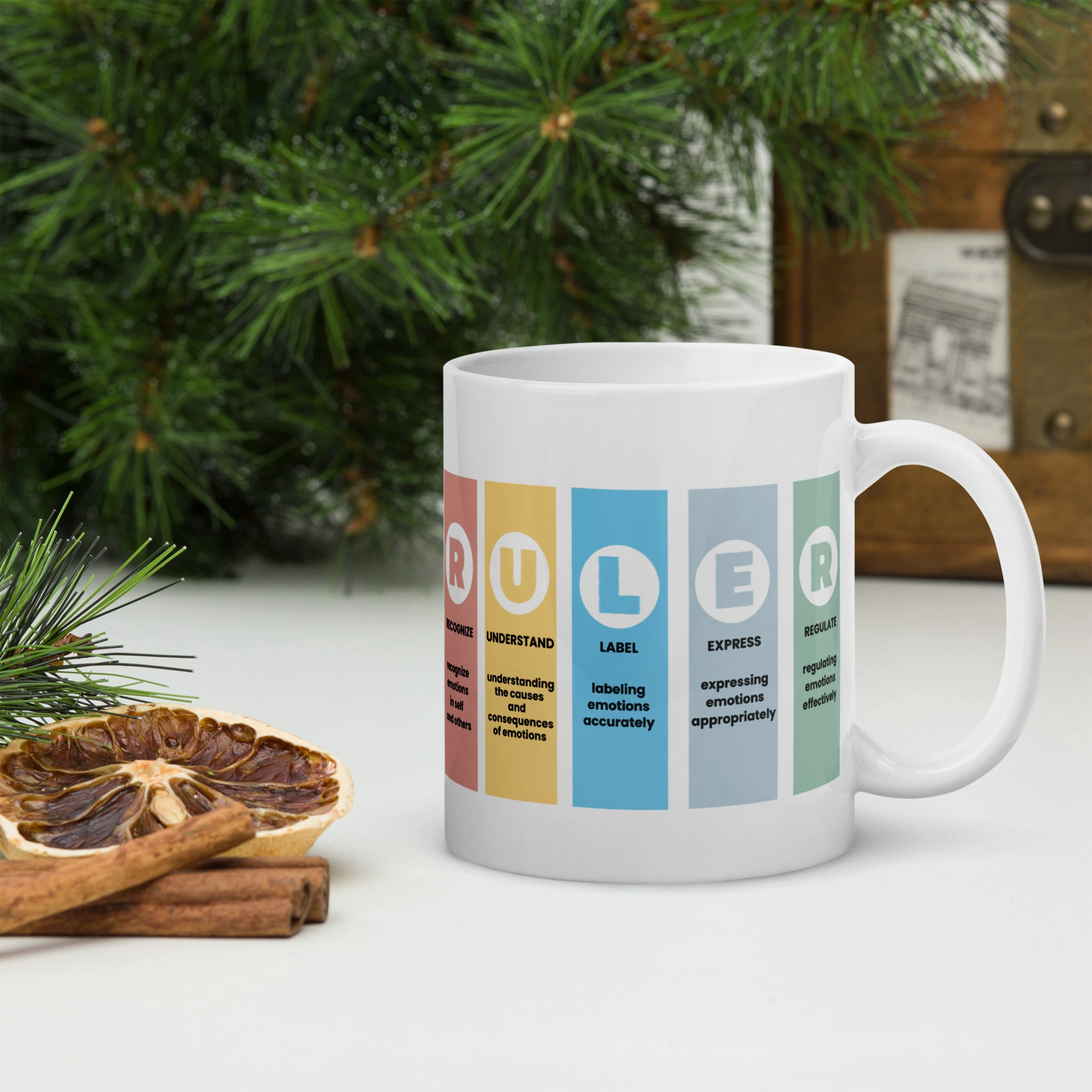
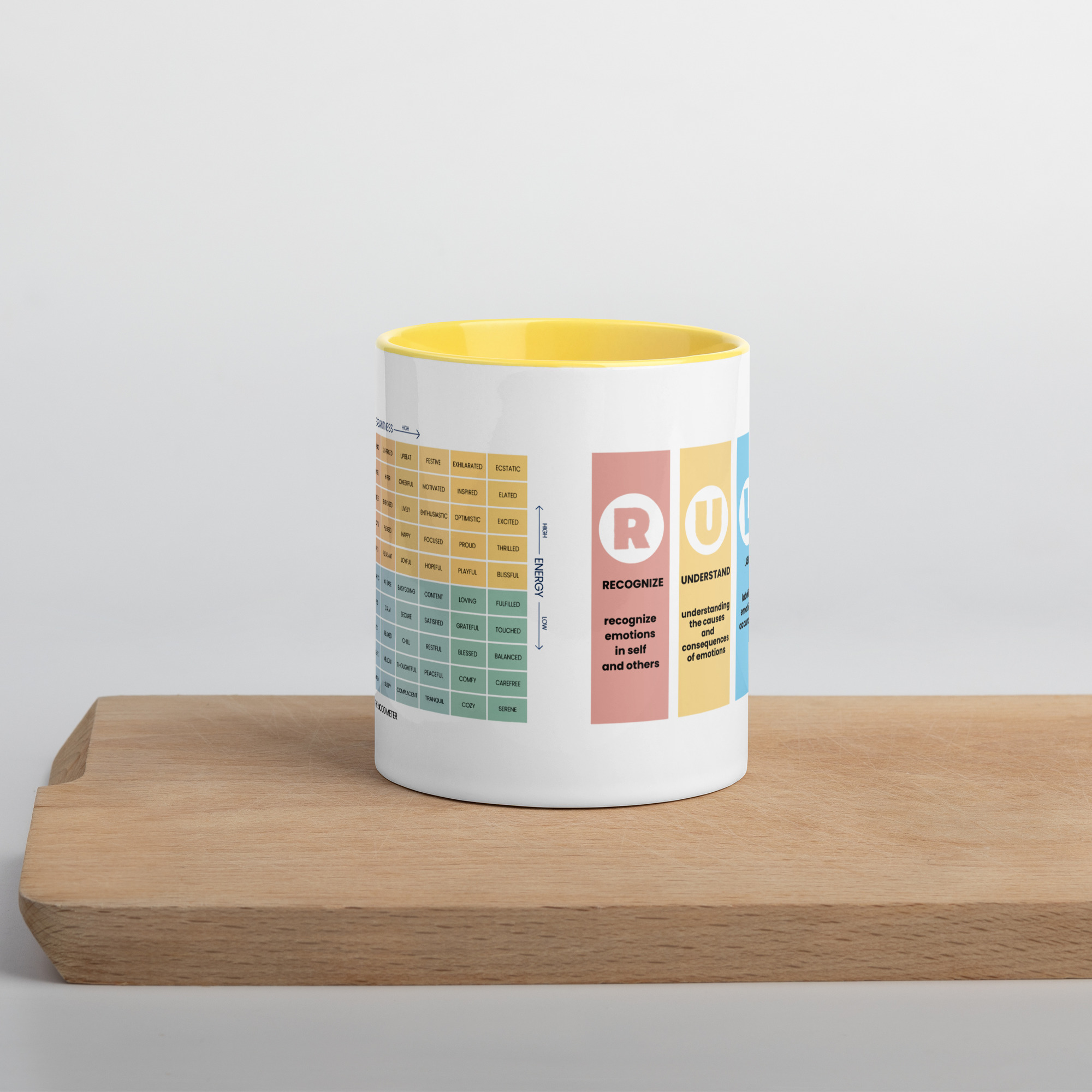
The Mood Meter & RULER White Glossy Ceramic Mug
Price range: $11.00 through $14.50 -
-
Bubble-Free Stickers – Durable High-Opacity Vinyl for Smooth Application
Price range: $7.50 through $11.00 -

-
The Mood Meter Greeting Card – Premium Paperboard with Envelope
Price range: $7.50 through $9.00